 (623) 300-2847
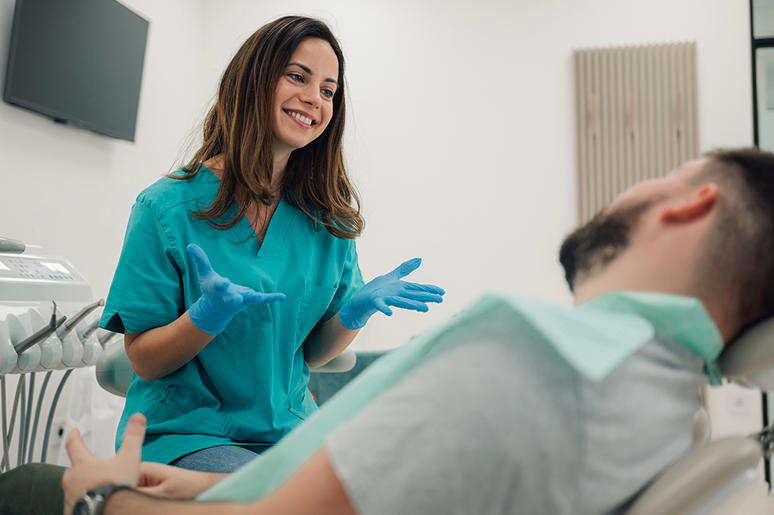
Dental emergencies can happen at any time, and knowing where to turn in Peoria, AZ, is essential for quick relief. Whether it’s a sudden toothache, a knocked-out tooth, or severe pain, immediate care can make a big difference in both comfort and outcome. Emergency dental services in Peoria provide fast, professional help when regular office hours aren’t enough.
Dentists offering these services understand the stress and discomfort emergencies bring. They use modern tools and gentle techniques to ease pain and start treatment promptly. Having access to emergency care nearby means patients don’t have to wait or suffer longer than necessary.
Finding a trusted emergency dentist in Peoria means getting the right care at the right time. It’s also a chance to learn about prevention and ongoing dental health, keeping smiles safe well beyond the crisis. Encouraging people to seek help early can prevent bigger problems down the road.
Identifying A Dental Emergency
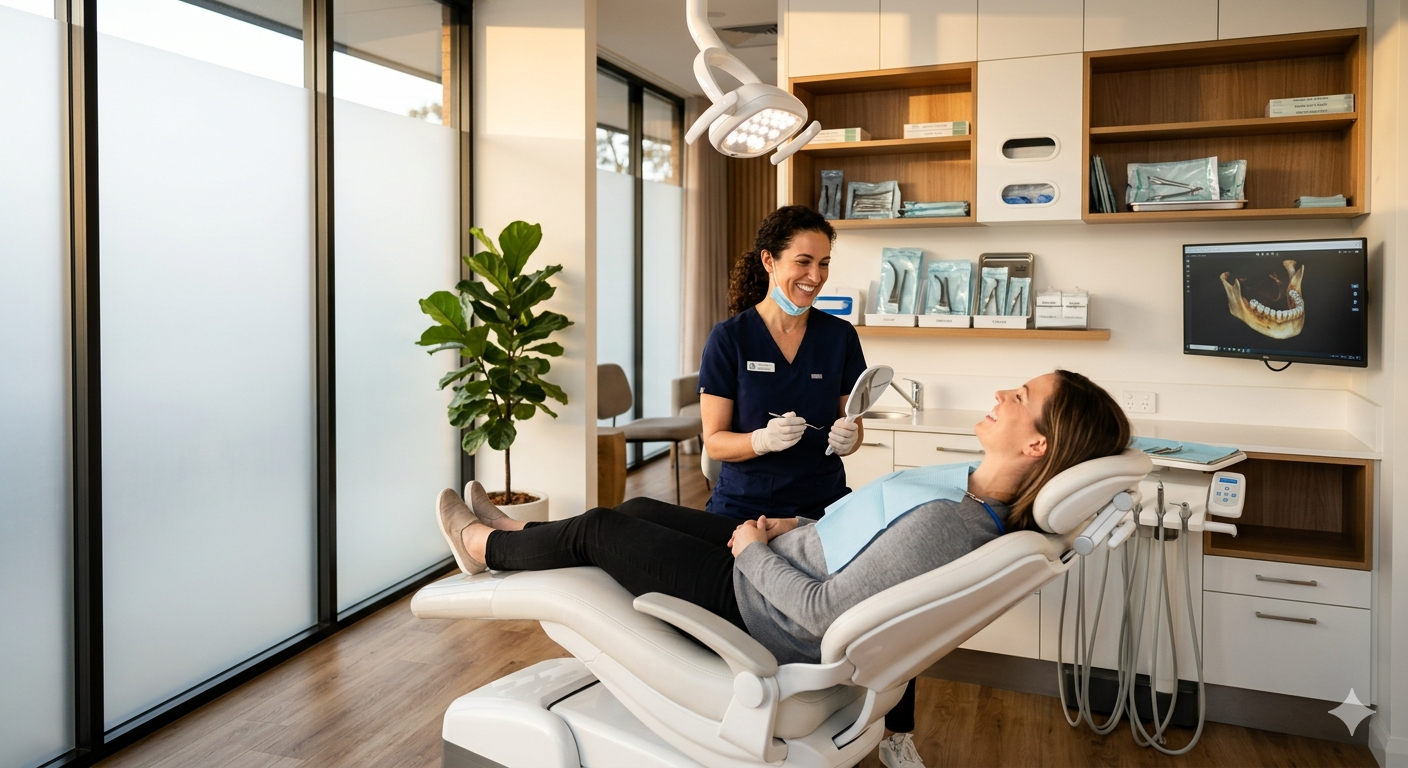
Knowing how to spot a real dental emergency can save valuable time and prevent further damage. It helps to recognize specific symptoms and decide when immediate care is necessary versus what can wait for a regular appointment.
Common Signs and Symptoms
Severe tooth pain that doesn’t improve with over-the-counter pain medication is a key indicator. Swelling of the gums or face often signals an infection that needs prompt attention.
Other signs include bleeding that won’t stop, a knocked-out tooth, or a tooth that is loose or displaced. Injuries from accidents causing broken teeth or damage to dental restorations are urgent cases.
Patients may also experience fever, bad taste in the mouth, or pus, which suggest an abscess requiring emergency care.
When to Seek Immediate Care
Immediate care is needed if there is uncontrolled bleeding in the mouth or trauma causing broken or dislodged teeth. Intense pain that limits daily activities also warrants rapid evaluation.
Difficulty breathing or swallowing due to swelling around the face or neck requires emergency intervention. Persistent fever coupled with dental pain is another red flag.
If a permanent tooth gets knocked out, quick action within an hour improves the chance to save it. Time-sensitive treatment can prevent long-term damage or infection.
Distinguishing Urgent vs. Non-Urgent Issues
Not all dental problems require emergency room visits. For example, a small chip without pain usually can wait for a dental appointment. Mild sensitivity or minor discomfort is typically non-urgent.
Urgent cases involve pain accompanied by swelling, bleeding, or trauma. The presence of signs like sharp pain that wakes a person at night or spreads to the jaw or ear means immediate care is needed.
Understanding these differences helps avoid unnecessary emergency visits while ensuring genuine emergencies don’t go untreated. When in doubt, consulting a dentist promptly is always the safest choice.
What To Expect During Your Emergency Visit
When a dental emergency strikes, knowing what will happen during your visit can ease anxiety. The process focuses on quickly identifying the problem, managing pain, and creating a clear treatment plan tailored to your needs.
Initial Assessment and Patient Comfort
The first step is a thorough review of your symptoms and medical history. The dentist will ask specific questions about your pain, when it started, and any recent dental issues. This helps pinpoint the urgency and seriousness of the problem.
Patient comfort is a priority from the start. Staff often provide pain relief options like local anesthesia or medication to control discomfort. They also explain each step to keep you informed, which helps reduce stress during the visit.
Diagnostic Techniques Used
Modern emergency dental care uses several tools to accurately diagnose the issue. X-rays reveal hidden damage such as fractures, infections, or impacted teeth. Sometimes, visual exams and gentle tapping tests assess tooth vitality.
Advanced imaging like digital radiography offers quick, clear images with lower radiation exposure. This technology speeds up diagnosis and allows the dentist to make informed decisions efficiently, which is crucial during emergencies.
Personalized Treatment Planning
Once the problem is identified, the dentist creates a treatment plan tailored to your specific situation. This plan focuses on immediate relief, such as draining abscesses, stabilizing loose teeth, or sealing cracks.
The dentist also discusses follow-up care and long-term solutions if necessary, like root canals, crowns, or extractions. They provide clear instructions to manage symptoms at home and prevent further complications, making sure you feel confident about next steps.
Types Of Dental Emergencies Treated In Peoria
Emergency dental care in Peoria covers a range of urgent issues that need prompt attention to relieve pain, prevent infection, or save damaged teeth. From sharp, persistent toothaches to injuries involving teeth or soft tissues, timely intervention makes a big difference in outcomes.
Severe Toothaches
A severe toothache is often more than just a headache; it can signal deep decay, infection, or inflammation inside the tooth. Patients commonly describe a throbbing pain that worsens with pressure, temperature changes, or even spontaneously.
Emergency dentists in Peoria will typically perform an exam and may take X-rays to pinpoint the cause. Treatment can involve draining an abscess, prescribing antibiotics, or starting a root canal to stop infection and relieve pain quickly. Prompt care is essential to avoid complications like swelling or spreading infection.
Knocked-Out or Chipped Teeth
A knocked-out tooth, also known as an avulsed tooth, is a true dental emergency. Immediate care within the first hour can sometimes save the tooth by re-implanting it. Patients should gently rinse the tooth without scrubbing, keep it moist in milk or saline, and get to a dentist without delay.
Chipped teeth range from minor enamel chips to more severe breaks exposing the inner layers. Depending on the damage, treatment options in Peoria include bonding, crowns, or veneers to restore function and appearance. Early care prevents further damage and discomfort.
Broken Dental Restorations
Crowns, fillings, and bridges can break or fall out unexpectedly, creating sensitivity or discomfort. Broken restorations may expose nerve endings or underlying decay, increasing the risk of infection.
Emergency dental providers in Peoria assess and repair or replace restorations to protect the tooth and restore chewing function. Temporary fixes may be used until permanent treatment is possible. Patients are advised not to use the affected tooth for chewing until it is repaired.
Soft Tissue Injuries in the Mouth
Cuts, lacerations, or bruising to the gums, tongue, cheeks, or lips are common after accidents or falls. These injuries can bleed profusely and often cause significant pain.
Emergency dentists in Peoria will clean the wound, control bleeding, and may use stitches if necessary. They also check for damage to underlying teeth or bones. Proper care helps reduce the risk of infection and supports faster healing while keeping the mouth comfortable.
Modern Solutions For Sudden Dental Issues
Emergency dental care in Peoria, AZ, uses the latest techniques to ease pain, restore damaged teeth quickly, and minimize discomfort during treatment. These modern methods focus on providing relief while preserving natural teeth whenever possible.
Pain Management and Sedation
Managing pain effectively is the first priority when treating dental emergencies. Dentists often use local anesthesia to numb the affected area, ensuring patients feel little to no discomfort during procedures. For more anxious or sensitive patients, sedation options such as nitrous oxide (laughing gas) or oral sedatives are available to promote relaxation.
Painkillers and anti-inflammatory medications may be prescribed to control pain after treatment. These options are tailored to each patient’s needs, making sure the experience remains as comfortable as possible from start to finish.
Advanced Restorative Treatments
When teeth are cracked, broken, or knocked out, advanced restorative options help save or replace them. Dental bonding and tooth-colored composite fillings can quickly repair minor chips or cracks. For more substantial damage, crowns offer a durable cap that restores shape and function.
In cases of tooth loss, dental implants provide a strong, natural-feeling replacement anchored directly in the jawbone. These modern restorations are designed to blend in seamlessly with existing teeth, allowing patients to eat and smile confidently again.
Minimally Invasive Procedures
Many emergency treatments now use minimally invasive techniques to reduce recovery time and preserve healthy tooth structure. Laser dentistry can treat soft tissue injuries or infections precisely, avoiding the need for traditional drills and sutures.
Root canal therapy, when necessary, uses refined tools and imaging to remove infected tissue without excessive removal of healthy parts of the tooth. This approach maintains as much of the natural tooth as possible, preventing further damage and preserving oral health.
Preparing For Your Emergency Appointment
Getting ready for an emergency dental visit can make the process smoother and less stressful. Knowing what to have on hand and simple steps to ease pain before the appointment can help patients feel more in control.
What To Bring With You
Patients should bring their photo ID and dental insurance card, if available. A list of current medications is important, especially if they affect dental treatment. If possible, bringing any recent dental X-rays or records helps the dentist understand the issue faster.
Additionally, packing a small bag with a soft cloth, a pain reliever (like ibuprofen), and a list of allergies or medical conditions can be useful. It’s also wise to have a phone charger handy and arrive early to complete any paperwork.
Quick Steps To Manage Discomfort at Home
Before the appointment, rinsing the mouth gently with warm salt water can reduce swelling and clean the affected area. Patients should avoid placing aspirin directly on the gums because it may cause irritation.
Applying a cold compress to the cheek in 15-minute intervals can help control pain and reduce inflammation. Over-the-counter pain relievers can provide temporary relief but should be taken according to the label instructions. Avoid very hot, cold, or sugary foods to prevent worsening the discomfort.
Insurance And Payment Considerations
Understanding insurance coverage and payment choices can ease the stress of emergency dental visits. Patients should know which providers accept their plans and what options exist to manage costs without delaying care.
In-Network Providers in Peoria
Choosing an in-network provider is often the most cost-effective option for emergency dental care. Dentists in Peoria who participate in your insurance plan typically accept negotiated rates, which lowers out-of-pocket expenses. Patients benefit from faster claim approvals and less paperwork.
It’s important to confirm with the dental office and your insurer if emergency services are covered under your policy, including exams, X-rays, and treatments like root canals or extractions. Some plans limit coverage or impose higher copays for after-hours visits, so knowing these details ahead of time helps avoid surprises.
Payment Plans and Financing Options
Many emergency dental offices in Peoria offer payment plans or work with third-party financing companies to spread out treatment costs. These options often require minimal or no interest if paid within a set period, making urgent care more accessible.
Patients without dental insurance can ask about in-house plans or services like CareCredit. These programs provide flexible monthly payments tailored to individual budgets. By discussing payment options upfront, patients can focus on necessary care without worrying about the bill.
Aftercare And Preventing Future Emergencies
Proper care following an emergency dental visit is crucial to a smooth recovery and avoiding repeat incidents. Paying attention to healing instructions, adapting daily habits, and keeping regular checkups all help protect long-term oral health.
Home Recovery Tips
After emergency treatment, rest is vital. The patient should avoid strenuous activity and keep their head elevated to reduce swelling. Applying a cold compress in 15-minute intervals helps ease discomfort.
Eating soft foods like yogurt or soup prevents strain on the affected area. He or she should avoid hot, spicy, or crunchy foods until the dentist says otherwise. Maintaining gentle oral hygiene, like careful brushing and rinsing with saltwater, supports healing without irritation.
If prescribed, taking medications exactly as directed, including pain relief or antibiotics, helps prevent infection. Watching for unusual symptoms such as increased pain, swelling, or fever is important because those signs may require another dental visit.
Developing Healthy Oral Habits
Establishing good daily habits reduces the chance of future dental emergencies. Brushing twice a day with fluoride toothpaste and flossing once daily removes plaque that can cause decay or gum disease. Using a soft-bristled brush helps avoid damaging gums and sensitive areas.
Limiting sugary snacks and drinks also reduces the risk of cavities. Drinking water regularly encourages saliva production, which naturally protects teeth.
Wearing protective gear like mouthguards during sports is a smart way to prevent trauma. Avoiding habits such as chewing ice, biting nails, or grinding teeth reduces the risk of cracks or chips.
Scheduling Follow-Up Visits
Follow-up appointments let the dentist check healing progress and address any concerns. These visits are opportunities to catch potential problems early before they become emergencies.
Patients should schedule follow-ups as instructed by their dental provider. Regular dental exams, usually every six months, help maintain oral health and spot issues that need prompt care.
If pain or complications occur at any time, contacting the dental office promptly ensures timely treatment. Staying proactive about dental visits builds a foundation of prevention and peace of mind.
Why Local Expertise Matters For Emergency Dental Care
When dental emergencies strike, having a dentist familiar with the Peoria community can make all the difference. Local experts understand common regional issues, such as environmental factors that might affect oral health.
They also know the best nearby specialists and labs to collaborate with, ensuring faster, more seamless care. This familiarity often leads to quicker appointments, which is crucial when dealing with pain or urgent dental problems.
A dentist rooted in Peoria is more likely to be invested in the long-term health of their patients. They can offer personalized advice based on local lifestyle and access to preventive services tailored to the community’s needs.
Benefits of Local Expertise:
| Advantage | Description |
|---|---|
| Faster Response | Quick scheduling and immediate care when needed |
| Familiar with Community | Knowledge of local health trends and patient lifestyles |
| Better Care Coordination | Strong connections with local specialists and labs |
Patients feel more comfortable working with a provider who knows the neighborhood and understands their unique concerns. This trust helps reduce anxiety during urgent visits and encourages patients to seek timely help instead of waiting.
Having access to a local emergency dental expert means peace of mind. If a sudden toothache or injury happens, they can count on prompt, compassionate care designed just for them.
Frequently Asked Questions
Emergency dental care can feel overwhelming, but knowing what to expect and how to respond helps reduce stress. This section covers when to seek urgent treatment, managing pain safely at home, and practical steps for common dental emergencies.
What counts as a true dental emergency, and when should I go in right away versus wait until morning?
A true dental emergency includes severe pain, uncontrolled bleeding, a knocked-out tooth, broken tooth with pain, or swelling affecting breathing. If symptoms are less severe, like minor chips or mild discomfort, it may be okay to wait until regular office hours.
How can I manage severe tooth pain at home safely until I can be seen by a dentist?
Over-the-counter pain relievers such as ibuprofen can help reduce pain and inflammation. Avoid very hot or cold foods, and rinse gently with warm saltwater to soothe the area. Do not place aspirin directly on the gums.
What should I do if I have a dental emergency but don’t have a regular dentist yet?
Look for dental clinics offering emergency services in your area, particularly those open after hours. Many emergency dentists accept walk-ins or same-day appointments without needing previous records. Calling ahead can save time.
If a tooth gets knocked out, what are the most important steps to take in the first 30 minutes?
Handle the tooth by the crown, avoid touching the root, and rinse gently if dirty. Try to place it back in the socket if possible, or keep it in milk or saline solution. Prompt action improves the chance the dentist can save the tooth.
Is a tooth infection or swelling something that needs urgent care, and what does the “3-3-3 rule” mean?
Yes, swelling with fever or difficulty swallowing needs immediate attention to prevent serious complications. The “3-3-3 rule” means if swelling lasts more than 3 days, pain lasts more than 3 days, or a tooth was knocked out for more than 3 hours without care, see a dentist promptly.
Can I find same-day or after-hours dental care nearby, and what should I expect during an emergency visit?
Many Peoria dental offices offer same-day or after-hours appointments for emergencies. During the visit, the dentist will assess the problem quickly, provide pain relief, and discuss next steps for treatment or follow-up care. Expect clear communication and options suited to your situation.