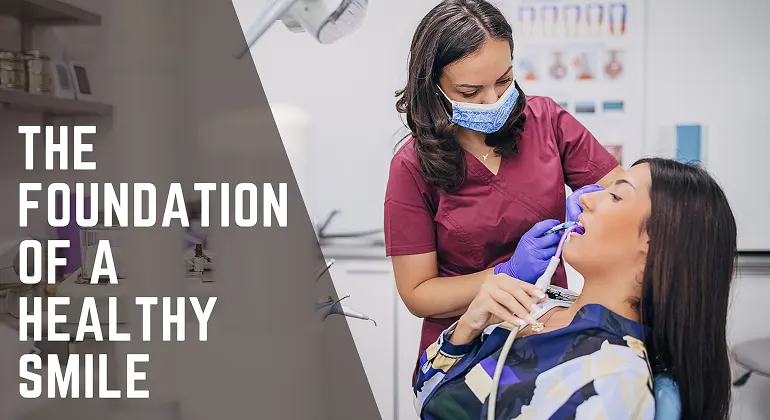
How to Choose a Family Dentist in Glendale, AZ

How to Choose a Family Dentist in Glendale, AZ

Choosing a dentist is about more than finding the closest office. The right dental team should help every family member feel heard, comfortable, and confident about caring for their smile.For families in Glendale, convenience certainly matters. However, communication, preventive care, treatment options, scheduling, and the overall patient experience are just as important. A dependable family dentist can become a long-term partner who gets to know each patient’s needs instead of treating every appointment as an isolated visit.This guide explains what family dentistry includes, which qualities to prioritize, and what to expect when visiting a new office.

What Does a Family Dentist Do?

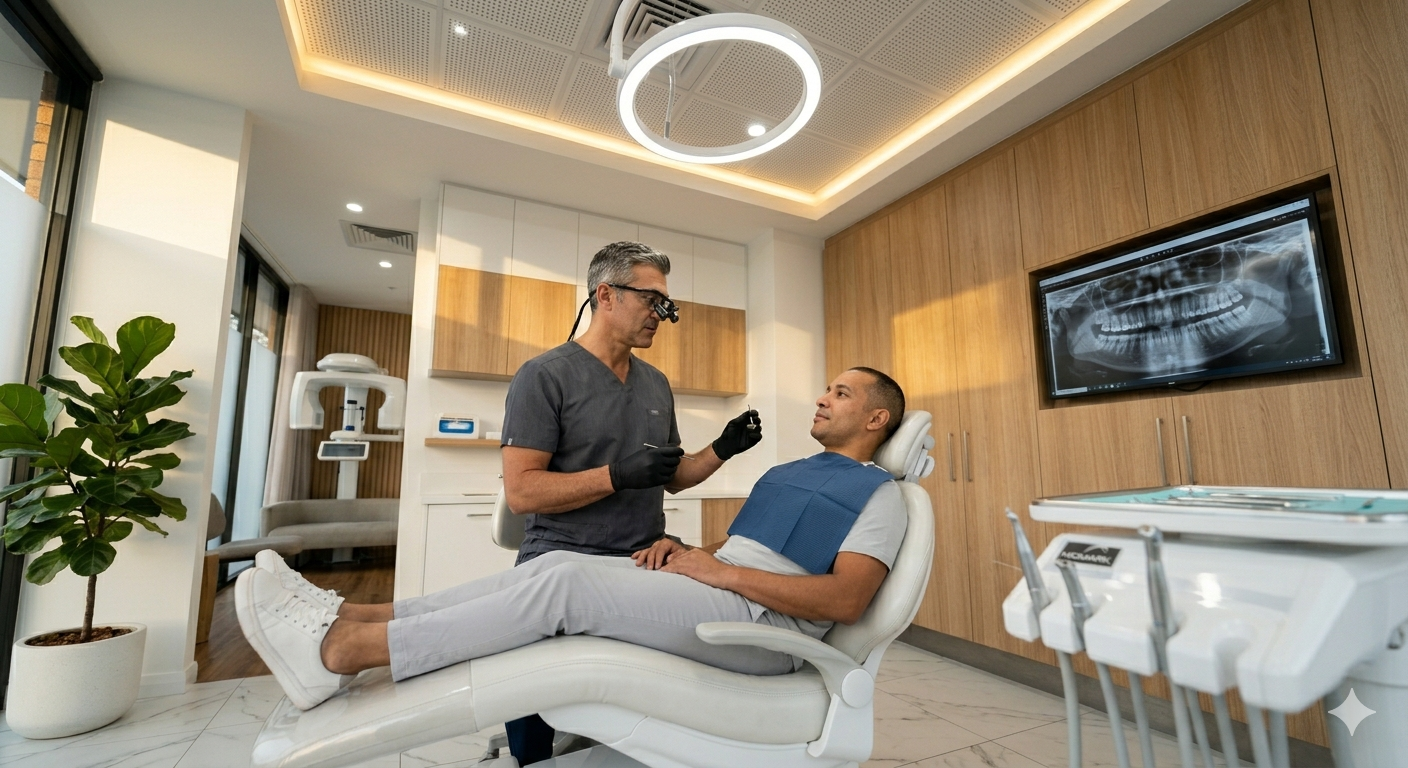
ChatGPT Image Jun 23, 2026, 09 33 02 AM

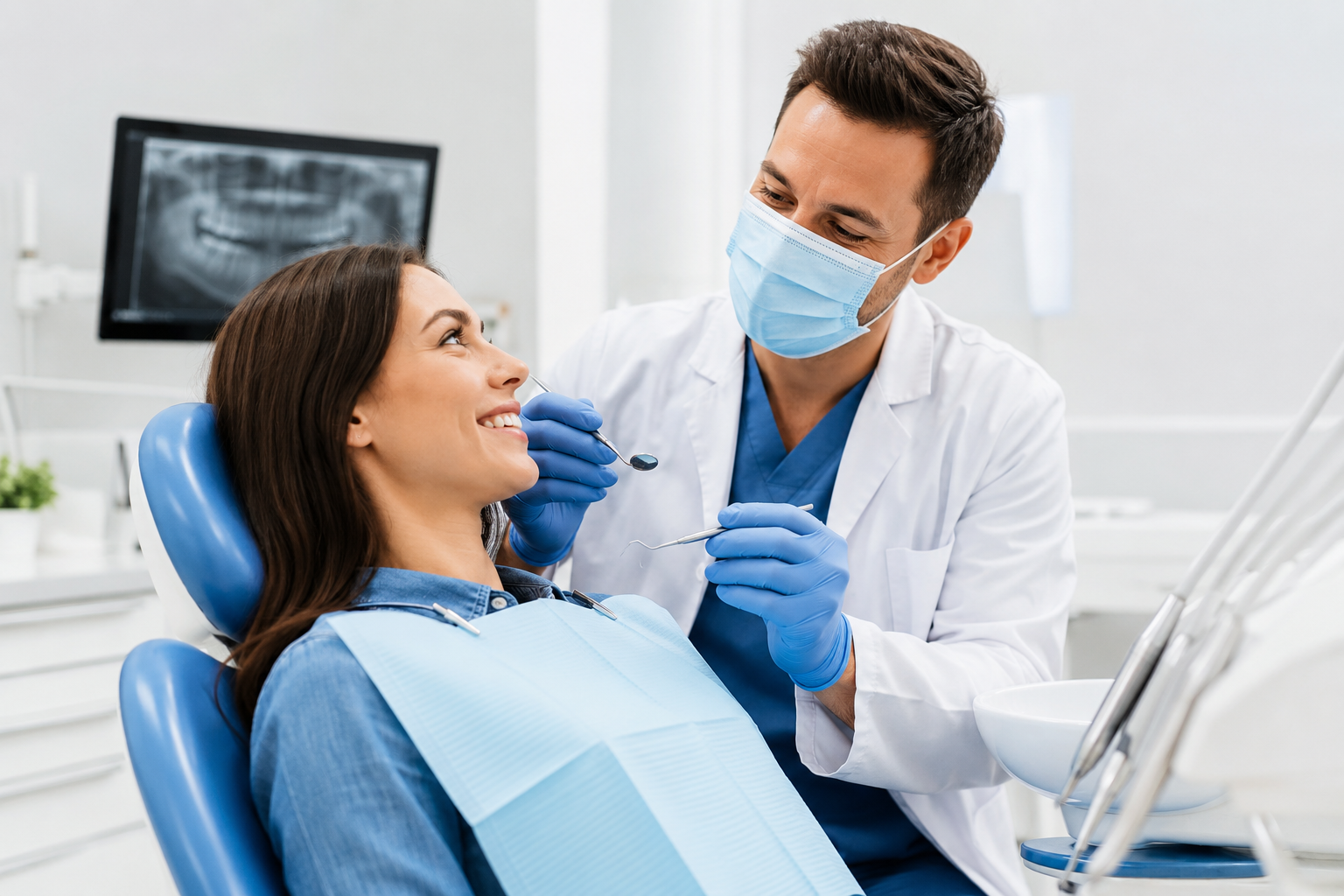
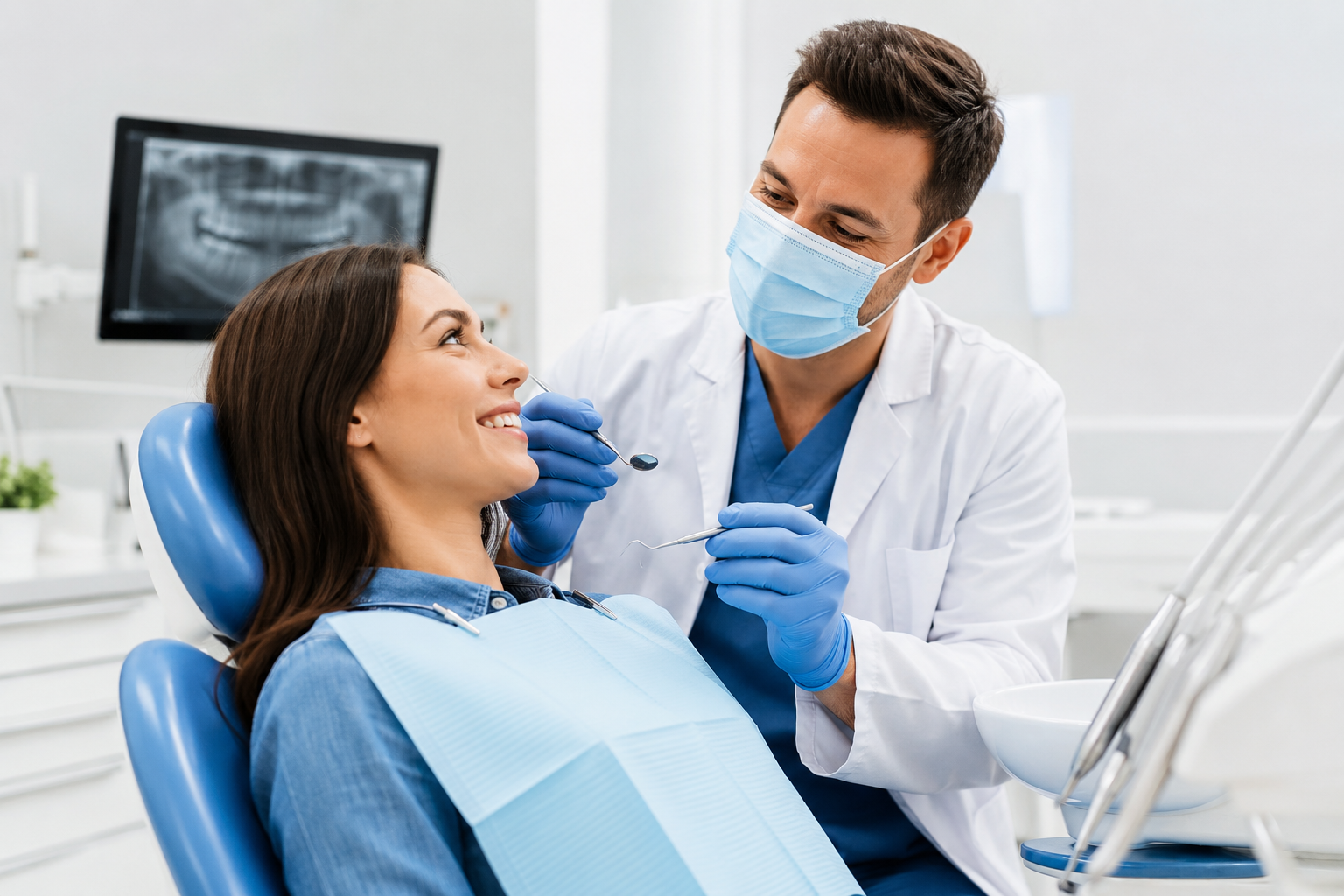
A family dentist provides ongoing oral healthcare for patients at different stages of life. Instead of using separate offices for routine dental needs, households may be able to coordinate much of their care through one familiar team.

Family dentistry generally focuses on prevention, early identification of oral health concerns, and treatment planning. Depending on the practice and the patient’s needs, care may include dental examinations, professional cleanings, X-rays when appropriate, fillings, gum health evaluations, restorative options, cosmetic consultations, and help with urgent concerns.

Not every office offers every procedure. A responsible dentist will explain what can be completed in the practice and when a referral to a specialist may be appropriate.

Why a Long-Term Dental Home Matters

Seeing the same dental team over time can make visits feel more familiar and less stressful. The office can learn about a patient’s health history, comfort preferences, previous dental work, and personal goals. Patients also have more opportunities to ask questions and understand changes in their oral health.

A consistent dental home can be especially helpful for busy households. Parents may find it easier to coordinate appointments, maintain records, and receive age-appropriate guidance when the family uses one practice.

Continuity does not mean patients should agree to treatment without questions. It means they have a trusted place where recommendations can be discussed, alternatives can be reviewed, and decisions can be made without unnecessary pressure.

What to Look for in a Family Dentist in Glendale, AZ

Online reviews and location can help narrow the search, but they do not tell the whole story. Patients should also consider how an office approaches prevention, communication, comfort, and practical concerns.

1. A Strong Preventive Approach

A good family dentist should not focus only on fixing teeth after problems arise. Preventive care is designed to help patients maintain healthy habits and identify concerns that may need attention.

During an appointment, the team should explain what it is evaluating and provide practical home-care recommendations. Advice should feel realistic for the patient’s age, health, routine, and abilities. Simple guidance is often more useful than a long list of instructions that is difficult to follow.

2. Care That Adapts to Different Life Stages

Dental needs can change over time. A young child learning to feel comfortable in the dental chair has different needs from a teenager, a busy parent, or an older adult with existing restorations or missing teeth.

When comparing practices, families can ask which age groups the office sees and how the team adjusts appointments for different patients. They should also ask how the dentist handles cases that require specialized care.

3. Clear, Respectful Communication

Dental terminology can sound intimidating. A patient-centered dentist should be able to translate clinical findings into everyday language and explain why a recommendation is being made.

Before treatment begins, patients should understand the concern, available options, expected benefits, meaningful risks, likely limitations, and what could happen if treatment is delayed. They should also have time to ask questions. Feeling rushed or pressured is a reasonable reason to pause and seek clarification.

4. Attention to Patient Comfort

Dental anxiety is common and should not be dismissed. A welcoming office may offer simple accommodations such as explaining each step, agreeing on a hand signal for breaks, allowing extra time, or discussing comfort options before care begins.

Patients who feel nervous should mention it while scheduling rather than waiting until they are in the treatment chair. This gives the team an opportunity to prepare and explain how the office supports anxious visitors.

5. Thoughtful Use of Modern Dentistry

Modern tools can make diagnosis, treatment planning, and communication easier, but technology should support good clinical judgment rather than replace it. Patients can ask how the office uses digital imaging, visual aids, or other equipment to help explain findings and plan care.

The most important point is not whether an office has every new device. It is whether the dentist uses appropriate methods, discusses options honestly, and recommends care based on the individual patient.

6. Access to Urgent Dental Guidance

Dental concerns do not always happen at convenient times. Before choosing a practice, patients should ask how urgent calls are handled, whether emergency appointments may be available, and where they should turn when the office is closed.

According to its official website, AZ Family Dentistry provides emergency dental care and directs Glendale patients to call the office for urgent assistance. Availability and the appropriate next step can depend on the situation, so calling promptly is important.

7. Convenient Scheduling and a Practical Location

A dental office may offer excellent care, but appointments will be harder to maintain if the location or schedule does not work for the household. Consider travel time from home, work, or school, as well as appointment availability and the office’s cancellation policies.

For people searching for a family dentist in Glendale, AZ, a nearby office can make routine visits and follow-up care easier to fit into everyday life. The practice’s current hours should always be confirmed directly, particularly for appointments outside the standard workweek.

8. Transparent Financial Conversations

Patients deserve a clear explanation of anticipated fees before agreeing to non-urgent care. Those using dental insurance should ask whether the practice participates with their specific plan and whether the office can help estimate benefits.

An insurance estimate is not always a guarantee of payment. Patients can request a written treatment plan that separates recommended procedures, expected insurance contributions, and estimated out-of-pocket costs. If several options are clinically reasonable, the dentist should explain the differences without assuming which choice the patient will make.

What to Expect at a First Visit

A new-patient appointment gives both the patient and the dental team a chance to gather information. The exact visit will vary based on age, symptoms, health history, gum condition, and whether immediate care is needed.

Common parts of a first visit may include:

  • Reviewing medical history, medications, allergies, and previous dental experiences
  • Discussing current concerns and personal smile goals
  • Examining the teeth, gums, bite, and existing dental work
  • Taking X-rays when the dentist determines they are appropriate
  • Discussing findings and possible next steps
  • Reviewing costs and scheduling future care, if needed

A cleaning may not always occur during the first appointment. For example, the dentist may need to evaluate gum health before determining which type of cleaning is appropriate. Patients can ask what is planned when scheduling so they know what to expect.

Preparing Children and Anxious Adults for an Appointment

Preparation can make a dental visit feel more manageable. For children, caregivers can use calm, neutral language and avoid sharing frightening dental stories. A simple explanation such as “the dental team will count and check the teeth” is usually easier to understand than a detailed description.

Anxious adults can write down their questions, tell the office about past experiences, and ask for explanations before each step. Bringing a current medication list and arriving with enough time to complete paperwork can also reduce stress.

Families should avoid promising that nothing will feel uncomfortable, because no one can know exactly what an examination will find. A more reassuring message is that the patient can ask questions, request a pause, and work with the team to stay as comfortable as possible.

Questions to Ask Before Choosing a Dental Office

A brief phone call can reveal a great deal about how a practice communicates. Helpful questions include:

  • Does the office care for patients in the relevant age groups?
  • What should a new patient bring to the first appointment?
  • How does the team support patients with dental anxiety?
  • How are urgent dental concerns handled?
  • Which services are available in the office, and when are referrals made?
  • Does the practice work with the patient’s specific insurance plan?
  • Are written cost estimates available before treatment?
  • What are the scheduling and cancellation policies?

The answers should be clear, courteous, and free from pressure. The way a team handles initial questions often provides a useful preview of the patient experience.

Frequently Asked Questions

How often should a family visit the dentist?

The appropriate schedule depends on each person’s oral health, gum condition, medical history, and risk factors. A dentist can recommend an individualized interval after an examination rather than relying on one schedule for everyone.

Can children and adults see the same family dentist?

Often, yes. Families should confirm which ages the practice treats and whether the team has experience meeting the child’s specific needs. Some children may benefit from referral to a pediatric dental specialist.

What should a new patient bring?

Useful items may include a photo ID, insurance information, a medication and allergy list, relevant health details, and any available dental records or recent X-rays. The office can confirm its requirements before the visit.

Can a family dentist help during a dental emergency?

Many family practices provide urgent evaluations, although availability and treatment depend on the concern. AZ Family Dentistry states that it provides emergency dental care. Glendale patients should call the practice for instructions rather than assuming a same-day appointment is available.

What if a patient is embarrassed about the condition of their teeth?

Embarrassment should not prevent someone from asking for help. A supportive dental team should focus on the patient’s current needs and achievable next steps, not criticism. Mentioning this concern when making the appointment can help the team respond thoughtfully.

How can patients compare treatment recommendations?

Patients can ask the dentist to explain the diagnosis, alternatives, urgency, expected costs, and consequences of postponing care. When a recommendation is complex or unclear, requesting records or seeking a second professional opinion is reasonable.

Find a Dental Home That Feels Right

The best family dentist is not simply the office with the longest list of services. It is a practice where patients receive understandable information, respectful care, appropriate options, and support for long-term prevention.

AZ Family Dentistry welcomes patients at its Glendale, AZ location at 9160 N 43rd Ave, Glendale, AZ 85302. Families who are looking for a new dental home, have questions about an oral health concern, or want to learn what type of appointment they need can review the practice’s contact information and speak with the team. A simple conversation is often the easiest first step toward more comfortable, confident dental care.

1782228898603 Ca87f20e ChatGPT Image Jun 23 2026 09 33 02 AM

Veneers vs Crowns Peoria AZ: Which Restorative Option Is Right for Your Smile

Deciding between veneers and crowns in Peoria, AZ affects how your smile looks, how much tooth structure stays intact, and how long the restoration lasts. Veneers often suit people seeking cosmetic improvement with minimal removal of natural tooth, while crowns better restore teeth with significant damage or decay.

A friendly Peoria dentist will explain what each option involves, who makes a good candidate, what the appointment process feels like, and what results to expect over time. Expect clear comparisons of cost, maintenance, and local payment options so you can weigh comfort, appearance, and longevity before booking a consultation.

Understanding Cosmetic Dental Solutions

Patients often weigh durability, appearance, tooth preservation, and cost when choosing between treatments. Both options improve smiles, but they differ in preparation, materials, and ideal uses.

What Are Dental Veneers?

Dental veneers are thin shells, usually porcelain or composite resin, bonded to the front of teeth to change color, shape, or minor alignment. Porcelain veneers resist staining and mimic enamel translucency; composite veneers cost less and can often be placed in a single visit.

Veneer preparation typically removes a small amount of enamel—about 0.3–0.7 mm—so the final tooth thickness looks natural. They work best for front teeth with cosmetic issues: chips, gaps, discoloration, or slightly uneven edges.

Maintenance requires good oral hygiene and avoiding hard bites on the veneers. Lifespan varies: porcelain commonly lasts 10–15 years; composites generally last 5–7 years. Patients should expect periodic checkups and possible replacement over time.

Defining Dental Crowns

A dental crown covers the entire visible tooth above the gumline, restoring strength, shape, and function. Crowns use materials such as porcelain-fused-to-metal, all-ceramic, or zirconia; zirconia offers high strength and good esthetics for back teeth.

Crowns require more tooth reduction—often 1–2 mm circumferentially—to fit the restoration properly. Dentists recommend crowns for teeth with large fillings, root canal-treated teeth, fractures, or significant wear that compromise structure.

Crowns provide robust protection and can last 10–20 years with proper care. Patients should avoid chewing very hard objects and maintain routine dental visits. A crown also helps redistribute biting forces to prevent further damage.

Key Differences Between Veneers and Crowns

Purpose and coverage differ: veneers cover only the tooth front; crowns encase the entire tooth. Veneers prioritize cosmetic change with minimal reduction; crowns prioritize structural support and full-protection.

Preparation depth affects tooth preservation: veneers remove less enamel, preserving more natural tooth; crowns require greater reduction, which can be necessary for heavily damaged teeth. Material choice shifts by need—porcelain veneers for esthetics, zirconia or PFM crowns for strength.

Typical indications separate them clearly:

  • Veneers: visible cosmetic flaws, minor chips, staining, small gaps.
  • Crowns: large restorations, root canal teeth, cracked or weakened teeth.

Cost, longevity, and reparability vary: crowns often cost more upfront but offer greater durability for compromised teeth. Veneers may be less invasive and more esthetic for purely cosmetic goals. Dentists recommend treatment based on clinical examination, bite analysis, and long-term prognosis to match patient priorities.

Ideal Candidates for Each Treatment

Veneers suit patients wanting cosmetic changes to front teeth with minimal structural damage, while crowns fit those needing full-tooth strength or repair after decay or trauma. Both options require healthy gums and a committed home-care routine.

Who Benefits Most From Veneers?

Veneers work best for people with mainly cosmetic concerns on visible front teeth. Candidates commonly have chips, small gaps, mild-to-moderate discoloration that doesn’t respond well to whitening, or slightly misshapen teeth.
They should have intact tooth structure—no large fillings or root canal-treated fronts—because veneers bond to healthy enamel for long-lasting results.
Patients must maintain good oral hygiene and avoid heavy tooth grinding; a bruxism guard may be recommended if clenching is present.
Ideal veneer candidates prioritize a conservative approach and want a natural, uniform smile without altering bite mechanics.
During consultation, the dentist evaluates enamel thickness, bite alignment, and smile proportions to confirm veneers will deliver the expected aesthetic outcome.

Best Fit for Dental Crowns

Crowns are recommended when a tooth needs full-coverage protection or structural rebuilding. Typical candidates include those with large cavities, fractured teeth, heavily restored teeth, or after root canal therapy.
Crowns restore chewing function and distribute bite forces across the remaining tooth, which reduces fracture risk.
Patients with weakened molars from wear, large fillings, or significant loss of tooth structure benefit most from crowns.
Material choice (porcelain-fused-to-metal, all-ceramic, zirconia) depends on strength needs and aesthetic priorities; molars usually favor stronger materials while front teeth may use highly esthetic ceramics.
The dentist assesses remaining tooth structure, occlusion, and opposing dentition to select crown type and to determine if a post or core buildup is required.

Peoria Patient Profiles

In Peoria, patients often seek treatment balancing esthetics with durability due to active lifestyles and social visibility. Many adults aged 30–65 request veneers for smile makeovers, especially for front-tooth discoloration or minor shape corrections.
Older adults and those with prior large restorations or history of dental trauma frequently need crowns for lasting function.
Patients with bruxism—common among busy professionals—may require crowns for posterior teeth plus night guards to protect restorations.
Cost, insurance coverage, and appointment availability at local Peoria practices influence decisions; dentists typically present both immediate and long-term care plans so patients choose the option matching their goals and budget.
They encourage scheduling a consultation to review X-rays, bite analysis, and shade matching to tailor the treatment plan.

Treatment Experience and Procedure Steps

This section explains how appointments typically unfold, what comfort measures patients receive, and the usual timelines for veneers and crowns in Peoria, AZ. It emphasizes predictable steps, common sensations, and practical timelines so patients know what to expect.

What to Expect During Your Appointment

The visit begins with a focused exam and digital imaging. The dentist reviews X-rays or intraoral scans, confirms bite relationships, and photographs teeth for shade matching.

For veneers, the clinician removes about 0.3–0.7 mm of enamel per tooth to create space. Local anesthetic is often used for sensitive patients. Impressions or a digital scan capture the prepared teeth for the lab-made veneers.

For crowns, preparation usually removes more tooth structure—often 1–2 mm circumferentially—to create room for the restoration. A temporary crown is placed when the lab makes the permanent one. The final seating visit includes fit checks, bite adjustments, and polishing.

Each appointment lasts 60–120 minutes depending on the number of teeth treated and complexity. Staff review aftercare, show temporary restoration care, and schedule the final cementation or delivery.

Comfort Measures and Pain Management

Clinics in Peoria commonly use topical anesthetic before injections and modern local anesthetics for numbness. Most patients report pressure but little to no sharp pain during preparation.

For anxious patients, dentists offer nitrous oxide (laughing gas) or oral sedatives on request. Post-procedure soreness is manageable with over-the-counter ibuprofen or acetaminophen; prescriptions are rare.

Temporary restorations can cause mild gum irritation or sensitivity to hot and cold for a few days. Dentists give written care instructions: avoid sticky foods, brush gently, and use a desensitizing toothpaste if needed. Follow-up calls or quick-check visits are standard when patients report discomfort.

Timeline for Each Solution

Veneers typically require two to three visits over two to four weeks. Visit 1: planning, shade selection, and minimal prepping with a scan or impression. Visit 2: try-in of porcelain veneers, minor adjustments, and cementation. A third visit may be scheduled for final polish or to check bite if multiple veneers are placed.

Crowns usually need two visits across one to three weeks. Visit 1: full preparation, impression or digital scan, and temporary crown placement. Lab fabrication commonly takes 7–14 days. Visit 2: remove temporary, verify fit and occlusion, then permanently cement the crown.

Emergency adjustments are often available within days. Dental offices in Peoria provide clear scheduling options to minimize time without a permanent restoration and to protect oral function and appearance.

Aesthetic Results and Lifespan

Patients should expect veneers and crowns to restore tooth appearance and function, but they differ in how natural they look, how long they last, and what often leads to replacement. Choice depends on the tooth’s condition, bite forces, and the patient’s aesthetic goals.

Natural Look and Feel

Porcelain veneers typically mimic enamel translucency and reflect light similarly to natural teeth, so they blend well on front teeth when matched for shade and surface texture. Veneers cover only the front surface, preserving most tooth structure, which helps maintain a natural thickness and feel when biting.

Crowns encase the entire visible tooth and can reproduce anatomy and color but may look bulkier if significant tooth reduction was needed. Modern all-ceramic and zirconia crowns can achieve excellent color matching; however, slightly reduced translucency on posterior crowns is common. Patients often report veneers feel more like their original teeth on edges and contact points.

Durability and Longevity

Veneers last about 10–15 years on average with proper care, with some lasting longer when patients avoid heavy biting on hard objects and maintain good oral hygiene. Bond strength is excellent on prepared enamel, but longevity depends on bite alignment and bruxism control.

Crowns typically last 10–20 years, and high-strength zirconia crowns can last longer under heavy chewing forces. Because crowns surround the tooth, they better protect structurally compromised teeth from fracture. Regular dental checkups, night guards for grinding, and treating decay promptly extend both restorations’ lifespans.

Common Causes for Replacement

Veneers commonly need replacement due to edge chipping, debonding, shade changes at margins from gum recession, or recurrent decay at the untreated tooth surface. Trauma and untreated bruxism accelerate failure; poor adhesive technique or inadequate enamel bonding also raise risk.

Crowns often require replacement because of secondary caries under margins, fracture of crown material, wear of opposing teeth, or esthetic mismatch from gum recession exposing dark tooth structure. Root canal–treated teeth under crowns can fracture or develop recurrent infection, prompting crown removal. Regular exams catch early signs and allow conservative repairs when possible.

Choosing the Best Option for Your Smile Goals

Deciding between veneers and crowns depends on tooth condition, aesthetic priorities, and long-term oral health. Cost, tooth structure, and how much enamel remains will guide the recommendation.

Personalized Recommendations

The dentist evaluates existing tooth structure, bite forces, and cosmetic goals to recommend veneers or crowns. For teeth with minor chips, stains, or gaps and healthy enamel, porcelain veneers typically preserve more natural tooth and deliver a very natural appearance. Veneers require less removal of enamel—often 0.3–0.7 mm—so they suit patients who want a conservative, cosmetic-focused solution.

Crowns suit teeth with large fillings, root canal therapy, fractures, or weakened structure due to decay. A crown covers the entire tooth, providing strength and protection; preparation usually removes 1–2 mm of tooth and may require additional shaping. If a patient grinds teeth or has a heavy bite, crowns made of zirconia or porcelain-fused-to-metal often resist fracture better than thin veneers.

Cost, lab quality, and desired longevity also affect the choice. Veneers can cost less per tooth but may need replacement if chips occur. Crowns may last longer in structurally compromised teeth. A digital mockup or trial restoration helps patients visualize results before committing.

Considering Future Dental Health

Long-term health hinges on maintenance, gum health, and how much natural tooth remains after preparation. Preserving enamel reduces sensitivity and lowers the chance of needing root canal treatment later; veneers conserve enamel when indications are appropriate. Removing more tooth structure for crowns increases the risk of sensitivity and, in some cases, pulpal inflammation that could lead to root canal therapy.

Oral hygiene and regular check-ups affect outcomes equally for both options. Patients should brush twice daily with a non-abrasive fluoride toothpaste and floss daily to prevent decay at restoration margins. Nightguards protect both veneers and crowns from bruxism-related damage and extend service life.

Material choice and cementation technique impact longevity and gum response. High-quality lab-fabricated porcelain or zirconia bonded with the correct adhesive reduces microleakage and staining. The dentist will discuss replacement timelines, repair options, and how future dental work (implants, orthodontics) might influence the chosen restoration.

Cost Factors and Payment Options in Peoria

Costs depend on material choice, the number of teeth treated, lab or CAD/CAM work, and whether preparatory treatments (root canal, gum therapy) are needed. Patients in Peoria often weigh upfront price against longevity and insurance coverage when deciding between veneers and crowns.

Price Range and Insurance Coverage

Veneers typically range from $900 to $2,500 per tooth in Peoria depending on porcelain type and lab fees. Porcelain-fused-to-zirconia or feldspathic veneers cost more than composite options that can be placed for $250–$800 per tooth. Crowns usually cost $900–$2,200 per tooth for porcelain-fused-to-metal or all-ceramic crowns; zirconia crowns sit at the higher end.

Insurance coverage varies: cosmetic-only procedures like purely aesthetic veneers are often excluded. However, if veneers or crowns restore function after decay, fracture, or wear, many dental plans cover a percentage—commonly 50% of an allowable fee after deductibles. Patients should verify annual maximums (often $1,000–$2,000) and pre-authorization requirements with their insurer before treatment.

Flexible Financing Arrangements

Many Peoria dental practices offer in-office payment plans that split the balance into 3–12 monthly payments with little or no interest. Third-party medical/dental lenders such as CareCredit and Proceed Finance provide 6–60 month financing; promotional 0% interest periods are common but require on-time payments to avoid deferred interest.

Dentists often provide transparent cost estimates and treatment sequencing to minimize immediate out-of-pocket expenses. Patients can combine insurance reimbursement with financing, using claim payments to reduce monthly installments. Scheduling multiple restorations across visits also helps spread costs while addressing urgent oral health needs first.

Caring for Your New Smile

A new smile needs simple daily habits, smart food choices, and regular professional checks to stay healthy and attractive. Proper brushing and flossing, avoiding hard or staining foods, and keeping scheduled dental visits preserve both veneers and crowns.

Daily Oral Hygiene Tips

They should brush twice daily with a soft-bristled toothbrush and non-abrasive fluoride toothpaste to protect the restoration margins. Use gentle, circular motions and pay special attention where the restoration meets the gum to prevent plaque buildup and gum inflammation.

Floss once a day using a floss threader or interdental picks if needed to clean under and between restorations without dislodging them. An antiseptic mouthwash can reduce bacteria, but it should not replace brushing and flossing.

If grinding or clenching is an issue, wear a custom night guard as recommended by the dentist to prevent fractures or premature wear. Maintain tobacco cessation or reduction to lower the risk of staining and gum disease around restorations.

Foods to Enjoy or Avoid

Enjoy softer, non-staining foods immediately after placement: yogurt, cooked vegetables, fish, and soft fruits. These reduce pressure on newly bonded restorations and help the bonding material set fully when recently placed.

Avoid biting directly into very hard items like whole apples, ice, popcorn kernels, and hard candies to prevent chipping. Minimize dark-colored foods and drinks—coffee, red wine, curry, and berries—especially with veneers, since surface staining may require polishing or replacement over time.

Limit sticky sweets that can tug at margins and increase decay risk beneath restorations. If consuming staining beverages, rinse with water afterward and consider using a straw for cold drinks to reduce contact with anterior restorations.

Follow-Up and Maintenance Visits

Schedule a follow-up appointment about two weeks after placement so the dentist can check bite, polish surfaces, and address sensitivity. Regular checkups every six months let the clinician monitor margins, gum health, and occlusion for both veneers and crowns.

Professional cleanings remove tartar that home care cannot reach and allow early detection of decay or cement breakdown. If repair or replacement is needed, early intervention often preserves more tooth structure and lowers the complexity of treatment.

They should report any persistent sensitivity, looseness, or a change in bite immediately. The dental team can adjust, repair, or remake a restoration to maintain function and comfort.

Next Steps Toward a Confident Smile

Patients should schedule a consult to review options and get a personalized plan. The dentist will assess tooth structure, bite, and aesthetic goals to recommend veneers or crowns.

They may receive digital scans or X-rays to speed planning and improve fit. These tools help predict outcomes and reduce surprises during treatment.

Discuss budget, timeline, and insurance ahead of time. Many practices offer payment plans or phased care to make treatment manageable.

Ask about materials, maintenance, and longevity for each choice. Porcelain veneers and ceramic crowns differ in durability and preparation needs, so clarity helps set expectations.

Request before-and-after photos and patient testimonials to gauge realistic results. Seeing similar cases can build confidence and inform design choices like shade and shape.

Plan for follow-up visits and routine care to protect the investment. Regular cleanings and at-home habits extend restorations and support oral health.

They should prepare questions for the visit; examples include:

  • Which option preserves more natural tooth?
  • What is the expected lifespan of this restoration?
  • Are there temporary options during treatment?

Contact the dental office to book a consultation or ask about financing and scheduling. A brief call or online form starts the process toward a more confident, comfortable smile.

Frequently Asked Questions

This section answers practical questions about choosing veneers or crowns in Peoria, AZ, covering suitability, appearance, tooth preparation, longevity, and comfort during treatment.

How do I know whether a veneer or a crown is the better choice for my tooth?

A dentist will evaluate the tooth’s strength, remaining enamel, and the extent of damage.
Veneers suit teeth with surface issues like stains, minor chips, or slight gaps; crowns suit teeth with larger fractures, extensive decay, or after root canal therapy.

What problems can veneers fix compared to crowns, and when is a crown the safer option?

Veneers fix discoloration, minor chips, small alignment issues, and cosmetic shape concerns.
Crowns restore teeth with large cavities, structural weakness, cracked roots, or when a tooth needs full-coverage protection; crowns are safer when decay or damage compromises tooth integrity.

How much natural tooth needs to be removed for veneers versus crowns?

Veneers require minimal enamel removal, typically 0.3–0.7 mm from the front surface.
Crowns require more reduction—usually 1–2 mm all around—because they cover the entire tooth to restore shape and strength.

Do veneers or crowns look more natural, and how do dentists match the color to my smile?

Both can look highly natural when made from porcelain or high-quality ceramic and matched to adjacent teeth.
Dentists use shade guides, digital photos, and sometimes custom ceramic layering to match translucency and brightness to the patient’s smile.

How long do veneers and crowns typically last, and what can I do to help them last longer?

Porcelain veneers typically last 10–15 years; crowns often last 10–15 years or longer depending on material and bite forces.
Good oral hygiene, avoiding hard or sticky foods, wearing a nightguard for grinding, and regular dental checkups extend their lifespan.

Will getting a veneer or crown hurt, and what comfort options are available during the appointment?

Dentists numb the area with local anesthesia, so most patients feel pressure but little to no pain during preparation.
For anxious patients, options include nitrous oxide, oral sedation, or IV sedation; post-procedure sensitivity usually resolves in days and dentists prescribe pain relief if needed.

Family Dentist Peoria AZ — Gentle, Expert Care for Your Whole Family

You’ll find a family dentist in Peoria, AZ who treats every age with gentle expertise and modern care, making routine visits simple and effective. A local family dentist can handle preventive cleanings, fillings, braces, and emergency care for children through seniors—so your whole household gets coordinated care under one roof.

They focus on comfort and clear communication, using updated technology and patient-friendly explanations to ease anxiety and speed recovery. Expect tips on prevention, early intervention for growing smiles, and practical steps to keep teeth healthy between visits.

Comprehensive Family Dental Services

Blog image

This practice provides preventive exams, age-appropriate restorative care, and cosmetic options to keep every family member healthy and confident. Appointments focus on comfort, practical education, and treatments that fit busy family schedules.

Preventive Care and Regular Check-Ups

They schedule routine exams and cleanings every six months, with fluoride varnish for children and topical treatments for adults when indicated. The team performs oral cancer screenings, periodontal charting, and digital X-rays to catch issues early while minimizing radiation exposure.

Hygiene visits include plaque and tartar removal, personalized brushing and flossing coaching, and risk assessments for cavities. For children, they use bitewing X-rays only as needed and apply sealants to molars to prevent decay. For patients with gum disease, they offer scaling and root planing and ongoing maintenance intervals tailored to disease severity.

The office emphasizes at-home care with clear, specific recommendations: toothpaste type, interdental tools, and dietary tips to reduce sugar exposure. They also coordinate with pediatricians or specialists when medical conditions affect oral health, ensuring continuity of care across providers.

Restorative Treatments for All Ages

They repair cavities using tooth-colored composite fillings and place crowns made from zirconia or porcelain-fused-to-metal for durability and natural appearance. For extensive decay or fractures, the practice offers onlays and full-coverage crowns with same-day CAD/CAM milling in many cases.

Root canal therapy saves infected teeth, employing modern rotary instruments and biocompatible sealers to reduce appointments and discomfort. For missing teeth, options include implant-supported crowns, fixed bridges, and removable partial dentures; the team discusses costs, timelines, and maintenance clearly.

Pediatric restorative care uses behavior management and nitrous oxide when appropriate to ease anxiety. The practice provides periodontal treatment for adults: non-surgical therapy, localized antibiotic delivery, and referral for surgical care when needed.

Cosmetic Dentistry Solutions

They offer professional whitening—both take-home trays and in-office light-accelerated sessions—to brighten smiles safely while managing sensitivity. Porcelain veneers correct chips, gaps, and discoloration; the dentist shows digital mock-ups so patients preview expected results.

Composite bonding provides a conservative, same-day fix for minor defects, and Invisalign clear aligners straighten teeth discreetly with predictable staging. For full-mouth aesthetic changes, the office develops phased treatment plans that balance function, appearance, and budget.

The team discusses longevity, maintenance, and potential trade-offs for each cosmetic choice. They prioritize conservative options first and recommend procedures that protect tooth structure while improving confidence and oral health.

Patient-Focused Care for Every Stage of Life

This practice prioritizes comfort, clear explanations, and evidence-based treatment plans matched to each age group. Patients receive preventive strategies, targeted treatments, and scheduling flexibility to fit family routines.

Pediatric Dentistry Approaches

They create a welcoming first-visit experience that reduces anxiety and builds trust for children as young as 1 year. Appointments emphasize gentle behavior guidance, short explanations in child-friendly language, and positive reinforcement to foster lifelong good habits.

Preventive care includes age-appropriate fluoride treatments, dental sealants on first and second molars, and personalized brushing/flossing coaching for parents. The team screens for early signs of decay and for developmental issues such as malocclusion or thumb-sucking effects, referring to pediatric orthodontists when needed.

Nutrition counseling focuses on limiting frequency of sugary drinks and promoting tooth-friendly snacks. When restorations are necessary, they prefer conservative, biocompatible materials and use local anesthetic or sedation options tailored to the child’s medical history and anxiety level.

Adult Oral Health Needs

They assess periodontal health, occlusion, and aesthetic concerns at routine visits and design individualized maintenance plans. Adults get scaling and root planing for gum disease, composite fillings, and same-day crown options when indicated.

Risk-based preventive measures include prescription-strength fluoride for patients with dry mouth or heavy decay risk, and bite guards for bruxism. Cosmetic services—teeth whitening, porcelain veneers, and conservative bonding—are presented with clear cost and longevity expectations.

For restorative cases, they explain implant-supported crowns versus bridges, showing timelines, success rates, and care requirements. Scheduling flexibility, evening appointments, and digital charting streamline care for working adults.

Senior Dental Wellness

They focus on preserving function, comfort, and nutrition as teeth age or are lost. Care plans address root decay, receding gums, and denture fit, with regular oral cancer screenings and saliva assessments for dry mouth caused by common medications.

Treatment options include maintenance of remaining natural teeth with targeted periodontal therapy, implant-retained dentures for improved chewing, and soft-line relines for full dentures to reduce sore spots. The team coordinates with physicians when systemic conditions like diabetes or osteoporosis affect oral care.

Medication reviews and simplified home-care regimens help seniors manage dry mouth and dexterity challenges. They offer caregiver instructions, at-home fluoride trays when needed, and periodic home visits or transport assistance referrals to ensure consistent preventive care.

Creating a Comfortable Dental Experience

Patients find calm through clear communication, small comforts, and predictable care routines that reduce fear and uncertainty. Practical tools like pre-visit checklists, noise-cancelling headphones, and step-by-step explanations make visits feel manageable.

Gentle Techniques for Anxious Patients

The practice uses proven pain-minimizing approaches tailored to each patient’s anxiety level. Staff begin with a brief verbal check-in to identify triggers, then offer options such as topical anesthetic, short-acting local anesthetic, or numbing gel before injections to reduce initial discomfort.

They employ distraction methods like noise-cancelling headphones and operatory TVs to shift focus during procedures. For patients with severe fear, the office provides nitrous oxide with continuous monitoring and IV or oral sedation referrals when medically appropriate.

Clinicians break longer procedures into shorter, scheduled appointments when possible to limit fatigue and stress. They document patient preferences—preferred hand signals, music choices, and pacing—so every visit follows a familiar, personalized routine.

Modern Amenities for Stress-Free Visits

The clinic invests in equipment that shortens appointments and improves comfort. Digital X-rays cut imaging time and radiation exposure, while intraoral cameras let patients see issues on-screen for clearer explanations and quicker consent.

Operatories include ergonomic chairs, adjustable lighting, and lumbar support for comfort during longer treatments. Reception areas provide water, warm blankets, and child-friendly play corners to ease wait times for families.

Administrative conveniences reduce friction before treatment. Online appointment booking, automated reminders, and streamlined insurance estimates minimize surprises. Clear financial options, including payment plans and transparent pricing, help patients focus on care rather than costs.

The Importance of Early Intervention and Preventive Education

Early visits set the stage for lifelong oral health. They let the dentist spot developing issues—like misaligned teeth or early decay—before they become complex and costly to treat.

Preventive education helps families adopt simple habits that reduce problems. Staff teach practical steps: daily brushing with fluoride toothpaste, flossing technique, and limiting sugary drinks.

Children benefit from age‑appropriate guidance and positive reinforcement. A friendly exam can turn fear into routine, and sealants or fluoride treatments offer added protection when risk is higher.

Adults also gain from early attention to wear, gum health, and bite changes. Addressing small concerns now avoids the need for extensive restorative work later.

Practical takeaways:

  • Schedule first dental visits early, around the eruption of baby teeth.
  • Maintain twice‑daily brushing and daily flossing.
  • Discuss sealants and fluoride with the dentist for added prevention.

The practice emphasizes comfort and clear explanations during preventive visits. They encourage families to ask questions and to book a consultation for personalized advice.

Advanced Technology and Modern Treatment Methods

The practice emphasizes patient comfort and precise diagnosis while reducing treatment time and radiation exposure. It uses digital tools and minimally invasive techniques to preserve tooth structure and speed recovery.

Digital X-Rays and Imaging

Digital X-rays cut radiation by up to 80% compared with traditional film and deliver images instantly on a chairside monitor. Dentists in Peoria use intraoral sensors and panoramic digital imaging to detect cavities between teeth, evaluate bone level for periodontal concerns, and plan implants with clear, zoomable images.

They often incorporate CBCT (cone beam computed tomography) for complex cases such as implant placement or assessing impacted teeth. CBCT produces a 3D view of the jaw and sinuses, allowing precise measurements for implant length and angulation and reducing surgical surprises.

Digital files make referrals and treatment planning more efficient. Patients can view images during the exam, which helps them understand diagnoses and treatment options. The clinic stores images securely and can transmit them to specialists when coordinated care is needed.

Minimally Invasive Procedures

Minimally invasive dentistry focuses on removing as little healthy tooth structure as possible while treating disease effectively. For cavities, the practice uses air abrasion and adhesive composite restorations that bond to tooth enamel, preserving more natural tooth than traditional drilling and large amalgam fillings.

For periodontal care, they offer non-surgical therapies like ultrasonic scaling, localized antibiotic placement, and laser-assisted procedures to reduce pocket depth and promote gum reattachment. These approaches minimize discomfort and shorten healing time compared with more invasive surgery.

When restoring teeth, dentists prefer bonded ceramic onlays and crowns made with CAD/CAM milling for same-day restorations. This workflow reduces temporaries and additional appointments while providing precise fits and durable results. Patients receive local anesthesia, comfort measures, and clear post-op instructions to improve recovery and satisfaction.

Community Engagement and Local Involvement

The dental team participates regularly in Peoria health fairs and school screenings to make dental care approachable for families. They offer age-appropriate education and simple tips that parents can use at home.

They sponsor local youth sports and community events to support healthy habits beyond the clinic. Participation includes free dental kits, on-site fluoride information, and short talks about injury prevention.

The practice partners with nearby schools and senior centers for targeted programs. These partnerships include preventive care workshops, denture maintenance guidance, and referrals to low-cost services when needed.

They volunteer at city charity drives and collaborate with local nonprofits to expand access to care. Coordination focuses on preventive services and connecting residents to affordable dental resources.

Services often include community-oriented promotions like free screening days and discounted cleanings for new community members. These events emphasize preventive care and early treatment to reduce future costs and complications.

Bolded offerings give quick clarity:

  • School dental screenings
  • Senior oral care workshops
  • Free community screening days
  • Youth sports sponsorships

The practice encourages residents to attend events and ask questions. They invite readers to call or visit the clinic’s events page to learn about upcoming opportunities and schedule a consultation.

Taking the Next Step Toward Healthy Smiles

Patients learn that scheduling a visit is the most important step toward preventing small problems from becoming bigger ones. A quick checkup and cleaning can catch decay early, protect gums, and keep X-rays up to date so treatment stays minimally invasive.

They find comfort in knowing modern options like gentle sedation, digital imaging, and same-day restorations reduce time and anxiety. These tools let the dentist diagnose precisely and often fix issues in fewer visits.

Consider these simple next steps to make care straightforward and stress-free:

  • Call the office to ask about new-patient appointments and insurance handling.
  • Bring a list of current medications and any dental concerns.
  • Ask about financing, sedation, or treatment timelines if time or cost is a worry.

The office staff helps by explaining each step and tailoring care to families, from toddlers to grandparents. They emphasize preventive visits and create plans that fit busy schedules and budgets.

Patients appreciate practical tips they can use at home, like timing brushing to two minutes and using floss picks if traditional floss is difficult. Small daily habits combined with regular dental visits keep smiles healthier and treatments simpler.

They get reassurance by seeing individualized treatment plans and clear estimates before any work begins. Call or message the practice to ask questions, request an appointment, or discuss comfort options.

Frequently Asked Questions

This section covers practical points families ask about: choosing a dentist for all ages, what happens at a new-patient visit, scheduling intervals for cleanings, options for anxiety or sensitivity, cosmetic treatments that work well, and when to seek same-day care for pain or damage.

How do I choose a dentist that’s a good fit for my whole family, including kids and teens?

Look for a practice that lists family dentistry and pediatric experience on its website and uses modern, kid-friendly equipment.
Check office hours that match school and work schedules, and confirm they accept your insurance or offer clear payment options.

Read online reviews from parents and ask about the team’s approach to teenagers — many offices offer preventive sealants, growth monitoring, and orthodontic referrals.
Tour the office if possible to see the waiting area, treatment rooms, and whether staff put children at ease.

What should I expect during a new patient exam and dental cleaning, and how can I stay comfortable?

A new patient visit typically includes a medical and dental history review, digital X-rays when needed, a professional cleaning, and a thorough oral exam.
The hygienist will remove plaque and tartar, polish teeth, and discuss home care; the dentist will check for cavities, gum disease, and signs of wear.

To stay comfortable, request topical numbing gel for sensitive gums, bring headphones to mask sounds, and tell staff about any anxiety or gag reflex so they can adjust the pace and explain steps.
Many offices offer gentle techniques, flavored pastes, and sedation options if needed.

How often should my family schedule checkups and cleanings to prevent cavities and gum problems?

Most patients do well with checkups and cleanings every six months to maintain cavity prevention and gum health.
Children with developing teeth or patients with previous gum disease may need appointments every three to four months.

The dentist will recommend a personalized recall interval based on decay history, gum measurements, saliva flow, and diet.
Follow those tailored intervals to reduce the chance of more invasive treatment later.

What are the most comfortable options for treating dental anxiety or sensitive teeth during visits?

For mild anxiety, offices often use calming communication, breaks, and nitrous oxide (laughing gas) for rapid relief and quick recovery.
Topical anesthetics and local anesthesia handle sensitivity during procedures; ask for gel or spray before injections.

For moderate-to-severe anxiety, oral sedatives or IV sedation (in appropriately equipped clinics) provide deeper relaxation under professional monitoring.
Desensitizing toothpaste, fluoride varnish, and gentle technique reduce sensitivity for routine cleanings.

What cosmetic dentistry treatments can brighten my smile, and how do I know which option is right for me?

In-office whitening delivers quick, noticeable brightening in a single visit; take-home trays provide gradual results with custom fit.
Porcelain veneers or composite bonding address shape, chips, and stained teeth that whitening won’t fix.

A cosmetic consultation evaluates tooth color, enamel condition, bite, and long-term goals to recommend whitening, bonding, veneers, or orthodontics.
Ask for before-and-after photos and a digital mockup when available to preview likely results.

When should I see a dentist for a toothache or chipped tooth, and what are my same-day care options?

Seek care promptly for persistent pain, swelling, fever, or a tooth that’s loose, cracked through, or has exposed nerve — these can be signs of infection.
Many family dental offices reserve same-day or emergency appointments for pain, trauma, and severe swelling.

Same-day treatments may include temporary pain control, antibiotics if infection is present, temporary or permanent fillings, root canal therapy referral, or tooth bonding/splinting for fractures.
Call the office right away to describe symptoms; staff will advise whether to come in immediately or provide interim home care steps.

Dental Implants Benefits Peoria AZ: Restoring Smiles, Comfort, and Confidence

If you’ve lost one or more teeth, dental implants in Peoria, AZ can restore how you eat, speak, and smile with a natural look and stable feel. You gain a permanent, bone-supporting solution that often outperforms bridges and dentures for comfort, function, and long-term oral health.

A local implant team guides you through clear, modern options, realistic timelines, and financing choices tailored to your situation. Expect a focus on comfort, predictable results, and follow-up care that helps you keep a healthy, confident smile for years.

What Are Dental Implants?

Blog image

Dental implants replace missing teeth by anchoring a prosthetic tooth to the jawbone. They restore chewing, speech, and facial support while aiming for natural appearance and long-term stability.

Understanding the Modern Implant Procedure

The modern implant procedure places a titanium or zirconia post into the jawbone to act as an artificial tooth root. After an initial consultation with imaging (typically CBCT scans and intraoral photos), the dentist or oral surgeon plans implant position and size to protect adjacent teeth and vital structures like nerves and sinuses.

Surgery usually involves local anesthesia and often conscious sedation for comfort. The clinician makes a small incision, drills a guided hole, and inserts the implant with precise torque values to promote stability. A healing period of 3–6 months follows for osseointegration, during which bone fuses to the implant surface.

After integration, an abutment connects the implant to a crown, bridge, or denture. Final restorations use materials like porcelain or zirconia to match color and shape. Follow-up includes hygiene appointments and x-rays to monitor bone levels and restoration fit.

Types of Dental Implants Available

Endosteal implants are the most common type; they sit directly in the jawbone and work for single-tooth, multi-tooth, or full-arch restorations. Subperiosteal implants rest on the bone beneath the gum and suit patients with low bone height who cannot undergo grafting.

Material choices include titanium, prized for biocompatibility and extensive research, and zirconia, a metal-free alternative for allergy concerns or aesthetic preference. Restoration options vary: single crowns for one tooth, fixed bridges for adjacent missing teeth, and implant-retained overdentures for full-arch support.

Immediate-load implants let patients receive temporary crowns quickly when primary stability is sufficient. Guided surgery and digital workflows improve accuracy, reduce chair time, and produce predictable outcomes. Cost, long-term maintenance, and clinical suitability influence which option the dentist recommends.

Who Is an Ideal Candidate?

An ideal candidate has good overall health, adequate jawbone volume, and healthy gum tissue. Controlled chronic conditions—such as well-managed diabetes—or past smoking history require careful assessment but do not automatically disqualify a patient.

Sufficient bone can come from existing anatomy or be augmented with bone grafts or sinus lifts when necessary. The patient should commit to daily oral hygiene and regular dental visits because plaque control affects implant survival.

Contraindications include active untreated periodontal disease, heavy smoking without cessation plans, and certain uncontrolled systemic conditions. A thorough exam, medical history review, and 3D imaging help the clinician determine candidacy and create a personalized treatment plan.

Life-Changing Advantages for Patients

Dental implants in Peoria deliver reliable chewing function, a natural look, and clearer speech. They also protect jawbone health and reduce the need for future restorations.

Enhancing Everyday Comfort and Ease

Dental implants anchor a crown or bridge directly to the jawbone using a titanium post, so patients feel like they have natural teeth again. This stability lets them eat apples, steak, and crunchy vegetables without worrying about slipping or sore spots that often come with removable dentures.

Implants eliminate the need for messy adhesives and frequent repositioning. Patients report fewer sore gums and less irritation because implants transfer bite forces to bone rather than resting on soft tissue.

Recovery typically involves mild soreness for a few days, while most people return to normal eating within weeks. Regular follow-up with the Peoria dentist ensures the implant integrates properly and that occlusion (bite) adjustments improve comfort.

Restoring Natural Appearance

Implant-supported restorations match adjacent teeth in shape, size, and color, creating a seamless smile. Because the post stimulates the jawbone, implants reduce the ridge resorption that causes the sunken look after tooth loss.

Lab-fabricated crowns use shade mapping and digital impressions to blend with a patient’s existing teeth. This precision reduces visible gaps and makes prosthetics hard to distinguish from natural teeth in close-up photos and day-to-day interactions.

Patients often choose implants for front-tooth replacement because they maintain facial contours and support lip structure. The aesthetic result improves confidence in social and professional settings without drawing attention to a prosthesis.

Promoting Clearer Speech

Missing teeth or loose dentures commonly cause lisps, slurred consonants, or the need to over-enunciate to be understood. Implants provide fixed tooth positions, allowing the tongue to form sounds against stable surfaces—so consonants like “t,” “d,” and “s” return to normal articulation.

Because implants do not rock or shift, they remove the cause of clicking, slurring, or repeated adjustments that interrupt conversation. Patients notice clearer phone calls and less need to repeat words during meetings or social events.

Speech improvements appear quickly after the prosthesis is placed, though a short adaptation period may occur as the tongue adjusts to the new tooth shape. Speech therapists or the dental team can offer targeted exercises if minor articulation changes persist.

Longevity and Lasting Results

Dental implants provide a stable, long-term tooth replacement that preserves jawbone and function. They can prevent the shifting of adjacent teeth and maintain facial structure, reducing the need for repeated restorative work.

Durability Compared to Other Options

Implants use titanium posts anchored in bone, which fuse through osseointegration and create a fixed foundation unlike removable dentures. This direct bone support gives implants high resistance to chewing forces and reduces micro-movement that can cause wear or sore spots with dentures.

Porcelain or zirconia crowns attached to implants resist staining and typically last longer than resin-based bridge teeth. Unlike bridges, implants do not require grinding down neighboring healthy teeth, so surrounding teeth remain intact and less prone to decay or fracture due to altered load.

Success rates in modern implant dentistry commonly exceed 95% in healthy patients when placed and maintained properly. Factors that reduce longevity include uncontrolled diabetes, heavy smoking, untreated gum disease, and inadequate bone volume — all of which a dentist in Peoria, AZ will evaluate and manage.

Caring for Implants at Home

Daily oral hygiene mirrors natural teeth care: brush twice with a soft-bristled brush and use low-abrasive toothpaste to protect prosthetic surfaces. Flossing once daily with implant-specific floss or interdental brushes removes plaque around the crown-abutment junction where peri-implantitis can begin.

Avoid chewing ice, hard candy, or non-food items to reduce risk of crown fracture. If the patient grinds teeth, a custom nightguard protects implant restorations and natural teeth from excessive force.

Regular professional checkups every 3–12 months allow early detection of inflammation, loose components, or crown wear. The dental team will monitor bone levels via periodic x-rays and recommend targeted cleaning tools or antimicrobial rinses when needed.

Oral Health Improvements

Dental implants restore chewing function, preserve facial structure, and protect adjacent teeth by replacing missing roots with titanium posts. These changes reduce long-term dental costs and lower the risk of complications from untreated tooth loss.

Protecting Your Jawbone

When a tooth is lost, the jawbone beneath loses the stimulation that keeps it healthy. An implant mimics a natural tooth root and delivers mechanical stimulation to the alveolar bone during chewing, which slows or halts bone resorption.

Implants integrate with bone through osseointegration, creating a stable, load-bearing connection that preserves bone height and width. This stability helps maintain the contours of the face and prevents the sunken appearance common after multiple extractions.

For patients in Peoria, AZ, preserving bone also simplifies future dental work. Maintaining bone volume reduces the need for bone grafting when additional implants or restorations are considered.

Preventing Shifting Teeth

A vacant tooth socket allows neighboring teeth to drift into the open space, which creates gaps, misalignment, and bite changes. An implant fills that space permanently, preventing adjacent teeth from tilting or migrating.

Preventing shifting maintains proper occlusion (how teeth meet) and reduces uneven wear on remaining teeth. That lowers the risk of fractures, root exposure, and the need for orthodontic treatment later.

Dental implants provide a fixed solution compared with removable partials, which can still allow micro-movement and gradual tooth movement. For many patients, implants preserve long-term dental stability and simplify daily oral hygiene.

The Treatment Experience in Peoria, AZ

Patients can expect a clear plan, comfortable facilities, and modern technology from consultation through restoration. Teams in Peoria focus on individualized timelines, pain control, and communication so each step proceeds predictably.

What to Expect During Your Visit

A new-patient visit typically begins with digital imaging — cone beam CT scans and panoramic X-rays — to map jawbone volume and nerve locations precisely. The clinician reviews images with the patient, explains implant placement options (single, multiple, or full-arch), and outlines a timeline: extraction (if needed), healing, implant placement, osseointegration (3–6 months), and final restoration.

Clinics provide written treatment plans showing costs, insurance estimates, and financing options. Patients receive pre- and post-op instructions by email and a staff contact for questions. Appointments run 45–90 minutes for surgical visits; follow-ups are shorter. Infection control, local anesthesia, and sterile techniques follow American Dental Association standards.

Patient Comfort and Sedation Options

Most implant procedures use local anesthesia to numb the site, allowing patients to remain awake and comfortable. For anxiety or longer cases, clinics offer oral sedatives (triazolam or similar) or nitrous oxide for lighter relaxation; qualified dentists or an anesthesiologist administer IV sedation for deep sedation when indicated.

Practices describe sedation choices during consultation and require a medical history review and escort home for moderate-to-deep sedation. Pain control after surgery typically includes short courses of NSAIDs or prescribed analgesics, cold packs, and soft-food recommendations. Staff follow up within 24–48 hours to assess healing and address any concerns.

Costs and Financing Solutions

Dental implant costs in Peoria vary by the number of implants, bone grafting needs, and the type of restoration used. Patients should expect clear itemized estimates and options to spread payments rather than a single large bill.

Understanding the Investment

Implant treatment in Peoria typically ranges from about $2,000 to $4,000 per single implant and abutment, with crown fees adding $800–$2,000 depending on material. Full-arch restorations and additional procedures such as sinus lifts or bone grafts increase cost; a full-arch implant-supported bridge often falls between $15,000 and $40,000 per arch.

Long-term value matters: implants replace tooth roots, prevent bone loss, and often last decades with proper care. Patients should ask the practice for an itemized quote showing surgical fees, prosthetic fees, imaging (CBCT), and follow-up. Comparing the total lifetime cost to alternatives (bridges, dentures, frequent repairs) helps clarify value.

Flexible Payment Plans

Many Peoria practices offer financing through third-party lenders like CareCredit, LendingUSA, or in-house payment plans that split costs into 6–60 month terms. Typical options include zero- or low-interest promotional periods and fixed-interest plans; patients should compare APR, monthly payment, and penalties for late payment.

Insurance may cover part of implant-related treatment, often the crown portion rather than surgery; patients should request pre-treatment estimates submitted to their insurer. Clinics frequently provide a written financial agreement and can assist with insurance claims, HSA/FSA usage, and documentation for tax-advantaged accounts.

Personalized Care from Peoria Dental Experts

Patients in Peoria receive care tailored to their needs, preferences, and medical history. The dental team reviews X-rays, oral scans, and health records to design implant plans that match each mouth precisely.

The clinic uses advanced imaging and guided surgery when appropriate. That approach reduces chair time and increases accuracy, which helps patients feel more confident about the procedure.

Dentists explain options in plain language and outline realistic timelines. They discuss costs, insurance, and any financing so patients understand the financial side before treatment begins.

Comfort and anxiety management are part of the plan. Options may include local anesthesia, sedation, and step-by-step explanations so people feel calm and informed throughout every visit.

After implant placement, the practice provides clear aftercare instructions and scheduled follow-ups. Regular monitoring and hygiene support protect the implant and the surrounding teeth for lasting results.

Benefits are presented in relatable terms: improved chewing, clearer speech, and a natural look that fits a patient’s face. The team also emphasizes preventive care to maintain implants and overall oral health.

A friendly consultation lets patients ask questions and see treatment options up close. They can call or book an appointment to discuss personalized implant care with a Peoria dental expert.

Next Steps Toward Your Healthier Smile

They should schedule a consultation with a qualified Peoria dentist to review medical history and get a personalized treatment plan. This visit often includes a dental exam, X-rays, and a discussion of implant options that fit lifestyle and budget.

The team will explain timelines, costs, and financing choices in clear terms. Patients can expect answers about sedation, healing time, and how implants compare to bridges or dentures.

Prepare questions in advance to make the appointment productive. Suggested topics: implant lifespan, maintenance routine, dietary adjustments during healing, and any warranty or follow-up care.

Many practices offer a simple checklist to bring to the first visit:

  • Photo ID and insurance card
  • List of current medications
  • Notes on oral health goals and concerns
  • Recent dental records, if available

They should ask about patient comfort measures like sedation or a trial restoration. Modern techniques reduce discomfort and speed recovery, but individual needs vary.

To move forward, call the Peoria office or book online to reserve a consultation slot. Staff can confirm pre-visit instructions and help with insurance or financing questions.

Frequently Asked Questions

This section answers common patient concerns about chewing, appearance, bone health, comfort, the treatment process, and long-term care for dental implants in Peoria, AZ. Each answer focuses on practical outcomes, typical timelines, and what patients can expect before, during, and after treatment.

How can implants help me chew more comfortably and enjoy the foods I’ve been avoiding?

Dental implants anchor a replacement tooth directly into the jawbone, restoring biting force close to a natural tooth. Patients often report being able to eat harder foods like apples or steak without slipping or pain.

Implants eliminate the rocking and rubbing common with removable dentures. That stability reduces sore spots and lets patients chew evenly, which improves digestion and meal satisfaction.

Will my new tooth look and feel natural, or will it be noticeable when I smile and talk?

Implant crowns are custom-made to match the color, shape, and size of adjacent teeth for a seamless appearance. Skilled technicians and dentists in Peoria shade-match and contour crowns so they blend in under normal lighting.

Because the implant sits like a real tooth root, it preserves gum contours and feels more like a natural tooth than many alternatives. Most patients say others do not notice the implant unless told.

Do implants help prevent bone loss and changes in face shape after a tooth is missing?

Yes. The implant’s titanium post stimulates the jawbone similarly to a natural tooth root, which slows or prevents the bone resorption that follows tooth loss. Maintaining bone height helps preserve the lower face shape and supports adjacent teeth.

Early placement after extraction delivers the best bone-preserving benefit, but implants can still reduce further loss even years after a tooth is lost.

How do dental implants compare to a bridge or denture when it comes to comfort and long-term value?

Implants replace the tooth root, so they usually feel more stable and natural than dentures and do not require grinding down adjacent teeth like a traditional bridge. That difference often leads to better oral health and longer-term savings.

Initial implant cost can be higher, but implants commonly last decades with proper care, while bridges and dentures may need more frequent repairs or replacement. Many patients find implants represent better long-term value for function and maintenance.

What does the implant process usually feel like, and how is discomfort managed along the way?

The surgical placement of an implant is performed with local anesthesia and often conscious sedation when needed; patients typically feel pressure but minimal pain during the procedure. After surgery most people experience mild to moderate soreness for a few days, managed with over-the-counter pain relievers and antibiotics when prescribed.

Follow-up visits monitor healing and the placement of the final crown, and clinicians provide clear aftercare instructions to minimize swelling and infection risk. Peoria practices emphasize patient comfort throughout, offering techniques and medications tailored to anxiety and pain control.

How long do dental implants typically last, and what daily care helps protect them?

With good oral hygiene—brushing twice daily, flossing around the implant, and regular professional cleanings—implants commonly last 15–30 years or longer. Lifespan depends on factors like smoking, uncontrolled diabetes, and routine maintenance.

Patients should use a nonabrasive toothpaste, interdental brushes for tight spaces, and attend check-ups every 4–12 months as recommended. Promptly addressing gum inflammation and following the dentist’s care plan helps protect the implant and surrounding bone.

Questions about candidacy, cost estimates, or a treatment timeline can be addressed during a consultation at a Peoria dental office. They welcome inquiries and can create a personalized plan based on medical history and oral goals.

Cosmetic Dentistry Peoria AZ: Gentle, Modern Smile Makeovers From Your Local Experts

You’ll discover how cosmetic dentistry in Peoria, AZ can transform appearance and confidence with modern, comfortable treatments tailored to local needs. Cosmetic dentists in Peoria offer practical options—veneers, whitening, bonding, and implants—that target common concerns and deliver noticeable, reliable results.

They explain what each treatment does, how long it takes, and what to expect during the care journey, so you can make informed choices without anxiety. Personalized treatment plans, clear cost options, and a focus on patient comfort make getting the smile you want straightforward and approachable.

What Cosmetic Dentistry Can Do For Your Smile

Cosmetic dentistry changes how a smile looks, how it functions, and how a person feels about their appearance. Patients can expect targeted solutions for stains, chips, gaps, misalignment, and worn teeth using conservative, modern techniques.

Enhancing Confidence and Self-Esteem

Cosmetic treatments often produce visible results quickly, which can lift a patient’s confidence in social and professional situations. Teeth whitening removes intrinsic and extrinsic stains from coffee, tobacco, and aging; chairside whitening can lighten shades in one appointment, while take-home trays maintain results at home.

Veneers and crowns reshape teeth affected by chips, deep stains, or uneven wear, giving a uniformly bright and natural look. These restorations are color-matched and contoured to facial proportions to avoid an artificial appearance. Patients frequently report feeling more willing to smile, speak, and take photos after treatment.

Dentists also address smile balance—correcting width, height, and symmetry—to create a look that suits a person’s face. This tailored approach helps avoid one-size-fits-all results and supports long-term satisfaction with appearance.

Correcting Dental Imperfections

Cosmetic dentistry corrects a wide range of imperfections with durable materials and minimally invasive techniques. Porcelain veneers cover front-tooth defects like deep discoloration, minor misalignment, and enamel defects while preserving as much natural tooth structure as possible.

Composite bonding repairs chips, fills small gaps, and rebuilds worn edges in a single visit, using tooth-colored resin that dentists sculpt and polish to match adjacent teeth. For larger structural problems, crowns restore strength and function while improving esthetics.

Orthodontic options such as clear aligners straighten teeth and close gaps without visible brackets. Dental implants replace missing teeth with titanium posts and ceramic crowns, restoring chewing function and preventing bone loss. Each option targets the specific problem and considers durability, maintenance, and oral health.

Personalized Treatment Planning

A cosmetic plan starts with a comprehensive exam: intraoral photos, digital X-rays, and bite analysis identify esthetic and functional needs. Dentists review medical and dental history, lifestyle habits (like smoking or grinding), and aesthetic goals before proposing options.

They present a step-by-step plan with timelines, costs, and alternatives—whitening before veneers, or orthodontics before restorative work—so patients understand sequencing and expected outcomes. Digital mock-ups and trial veneers help patients preview results and request adjustments.

Follow-up and maintenance plans include at-home care, professional cleanings, and protective measures like night guards for grinders. This personalized roadmap aims for predictable esthetic results while protecting long-term oral health.

Popular Cosmetic Treatments in Peoria, AZ

Patients in Peoria seek faster, predictable ways to brighten smiles, correct alignment, and fix chips or gaps. Local practices offer in-office and take-home whitening, porcelain veneers, clear aligners, and chairside bonding with an emphasis on comfort and natural-looking results.

Teeth Whitening Options

Peoria clinics typically offer two main whitening pathways: professional in-office bleaching and dentist-prescribed take-home trays. In-office systems use higher-concentration hydrogen peroxide and light-assist protocols to lift stains 6–10 shades in a single 60–90 minute visit, while chairside treatments include measures to reduce sensitivity during the procedure.

Take-home kits provide custom-fitted trays made from impressions or digital scans and lower-concentration carbamide peroxide for overnight or daily use over 1–2 weeks. These kits work well for maintenance after an in-office session and for patients with mild staining. Dentists evaluate enamel health, restorations, and gum recession before recommending either option to avoid uneven whitening or damage to crowns and fillings.

Porcelain Veneers

Porcelain veneers are thin ceramic shells bonded to the front of teeth to correct shape, size, color, and minor alignment issues. The typical process spans two to three visits: diagnostic planning and mock-ups, conservative enamel preparation with 0.3–0.7 mm reduction, and final cementation of custom-milled veneers matched to surrounding teeth.

Veneers resist staining better than composite and can last 10–15 years with proper care. Candidates should have adequate enamel, healthy gums, and realistic expectations; active bruxism or severe decay may require preliminary treatment. Dentists in Peoria often use digital smile design and try-in restorations so patients preview outcomes before permanent placement.

Invisalign and Clear Aligners

Clear aligners correct misalignment, crowding, and spacing using a series of removable, BPA-free plastic trays that gradually shift teeth. An initial clinical exam and digital scan generate a treatment plan showing staged movements and expected duration, typically 6–18 months for cosmetic improvements that don’t require complex bite correction.

Aligners offer discreet wear and fewer emergency visits compared with braces, but they require 20–22 hours of daily wear and patient discipline. Local providers monitor progress every 6–10 weeks and may use attachments or interproximal reduction (IPR) to achieve specific movements. Clear aligners also integrate with whitening protocols so patients can whiten between sets for coordinated results.

Dental Bonding Techniques

Dental bonding uses tooth-colored composite resin to repair chips, close small gaps, and reshape teeth in a single visit. The dentist roughens the enamel, applies a bonding agent, sculpts the composite, and cures it with a light—procedures commonly finished in 30–60 minutes per tooth with minimal enamel removal.

Bonding works well for cosmetic fixes that don’t need full-coverage restorations, but it stains and wears faster than porcelain. Typical lifespan ranges from 5–8 years depending on habits like smoking or coffee drinking. Peoria practices emphasize shade matching and finishing techniques to blend restorations with natural enamel, and they discuss maintenance steps such as avoiding abrasive toothpaste and scheduling periodic polishings.

Questions about suitability or next steps are encouraged; a consultation clarifies options, timelines, and expected costs before treatment begins.

Choosing The Right Cosmetic Dentist

Selecting a cosmetic dentist in Peoria requires attention to credentials, patient comfort, and up-to-date technology. Focus on specific qualifications, the practice’s approach to anxiety and pain control, and the diagnostic and restorative tools they use.

Credentials and Experience

They should list formal training such as a DDS or DMD and any postgraduate cosmetic or restorative dentistry courses. Look for memberships or certifications from organizations like the American Academy of Cosmetic Dentistry (AACD) and continuing education credits in veneers, implant restorations, or smile design software.

Review the dentist’s portfolio of before-and-after photos tied to real patient cases, not just stock images. Ask how many procedures of the same type they perform annually — volume often correlates with predictable results. Check state dental board records for licensure status and any disciplinary actions.

Patient reviews and referral patterns from local dentists provide practical insight into outcomes and professional reputation. Inquire about laboratory partners and whether the dentist uses accredited ceramists for porcelain work. These specifics help set realistic expectations for longevity and aesthetics.

Comfort-First Approach

They should describe pain management options clearly, such as topical anesthetics, local anesthesia with digital delivery systems, oral sedatives, and nitrous oxide. Ask whether the practice offers pre-procedure consultations to tailor sedation plans for dental anxiety or medical conditions.

Look for clinic policies that minimize stress: flexible scheduling, quiet recovery areas, and explicit consent processes that explain each step. Staff training in patient communication and chairside manner matters; a team that explains trade-offs between cosmetic options reduces surprises.

Check for accommodations like pre-op BP checks for medically complex patients and post-procedure follow-up calls. A written care plan with expected recovery timelines and emergency contact methods indicates a patient-centered practice focused on safety and comfort.

Technology and Techniques

They should use digital impression systems (intraoral scanners) to improve fit accuracy for crowns, veneers, and implant abutments. Ask whether the dentist employs CAD/CAM milling for same-day restorations or partners with local labs for custom shading and characterization.

Advanced diagnostics matter: cone-beam CT (CBCT) for implant planning, digital smile design (DSD) for aesthetic mockups, and high-resolution photography for case planning. These tools reduce guesswork and allow predictable communication between dentist, ceramist, and patient.

Inquire about materials and protocols: e.max or zirconia crowns for strength, layered porcelain for translucency, and adhesive bonding techniques for conservative veneers. Also ask how they handle maintenance — custom night guards, recall intervals, and warranty policies for cosmetic work.

The Cosmetic Dentistry Journey: What To Expect

Patients can expect a clear path from assessment through treatment to recovery, with emphasis on comfort, realistic results, and ongoing care. The process centers on a detailed examination, a tailored plan, and specific aftercare steps to protect investment and oral health.

Initial Consultation Process

The initial visit begins with a focused medical and dental history review to identify medications, allergies, and previous dental work that affect treatment choices. The dentist performs a clinical exam, intraoral photos, digital X-rays, and often an intraoral scan to capture tooth shape and bite precisely.

During the consultation, the clinician discusses aesthetic goals using before-and-after photos and mock-ups; patients see digital simulations or try-in temporaries for shade, shape, and length. Financial estimates, insurance considerations, and available financing are reviewed so there are no surprises.

The team also assesses gum health and bite function; untreated gum disease or malocclusion usually requires stabilization before cosmetic work. The visit concludes with a recommended sequence of treatments, estimated timelines, and options for sedation or local anesthesia to maximize comfort.

Treatment Planning Steps

The treatment plan lists procedures in logical order—gum therapy, orthodontics or aligner treatment if needed, bleaching, veneers or crowns, and final polishing—each with timing and cost. The plan includes material choices (e.g., porcelain veneers vs. composite bonding), pros and cons, and expected lifespan so patients can choose based on durability and budget.

Lab work and custom shading are scheduled for restorations; the dentist communicates with the dental lab using photos and digital files to match color and translucency. If multiple appointments are required, the office provides a timeline outlining temporary restorations, mid-treatment checks, and final placement days.

Consent forms, pre- and post-op instructions, and contact information for urgent questions are provided before procedures begin. This planning minimizes surprises and helps patients coordinate work, school, or travel around appointments.

Aftercare and Follow-Up

Aftercare focuses on protecting restorations and maintaining oral health with specific daily routines: gentle brushing with a non-abrasive toothpaste, flossing, and avoiding hard or staining foods for the first two weeks. The dentist prescribes or recommends products when indicated, such as sensitivity toothpaste, chlorhexidine rinse for short-term gum healing, or nightguards to prevent bruxism damage.

Follow-up visits occur at one week for soft-tissue checks, at two to four weeks for final adjustments, and then routine recalls every six months or as recommended. The office documents the outcome with photos and schedules future maintenance—polishing, occlusal checks, and replacement timelines for veneers or crowns.

If any sensitivity, looseness, or aesthetic concern arises, the patient is advised to contact the office immediately; prompt adjustments often prevent more extensive repairs later.

Caring For Your New Smile

Proper care keeps restorations looking natural and lasting longer. Consistent daily habits, smart food choices, and regular professional maintenance protect both cosmetic work and natural teeth.

Daily Oral Hygiene Tips

They should brush twice daily with a soft-bristled brush and fluoride toothpaste, using gentle circular motions to avoid scratching veneers or abrading gum margins. Electric toothbrushes with pressure sensors offer consistent technique and reduce the chance of overbrushing.

Flossing once a day is essential; floss threaders help clean under fixed bridges and around implants. Interdental brushes sized to fit the gap can remove plaque where floss can’t. Antibacterial mouthwash used after flossing lowers bacterial load but should not replace brushing.

If they have whitening-treated teeth, they should wait 24–48 hours after an in-office procedure before using peroxide rinses. For bonded restorations, avoid abrasive whitening pastes. They should follow any product-specific instructions provided by their Peoria cosmetic dentist.

Foods and Habits to Avoid

They should cut back on staining foods and drinks: coffee, black tea, red wine, soy sauce, and dark berries. When consuming these, use a straw for beverages and rinse with water afterward to reduce surface staining.

Avoid very hard foods such as ice, hard candy, and unpitted nuts that can chip porcelain or composite restorations. Chewing on pens, fingernails, or using teeth to open packages risks fractures and should be stopped.

They should not smoke or use tobacco; nicotine and tar cause deep staining and increase the risk of gum disease that can undermine restorations. If they grind teeth, a nightguard prescribed by the dentist protects veneers, crowns, and implants from excessive wear.

Regular Checkups and Maintenance

Schedule professional cleanings and exams every six months or as recommended; the dentist will check margins, fit, and bite, and remove build-up that at-home care misses. Hygienists use nonabrasive polish for veneers and crowns to avoid surface damage.

For implants, the team will measure pocket depths and assess bone health; they may recommend more frequent recalls if peri-implant inflammation appears. Composite bonds may need occasional polishing or touch-ups; porcelain restorations sometimes require re-cementing over many years.

Keep a log of any sensitivity, roughness, or changes in bite and report them promptly. The Peoria cosmetic dentist can adjust restorations or recommend protective appliances to extend the life of the new smile and preserve oral health.

Understanding Costs and Payment Options

Cosmetic dental care in Peoria, AZ varies by procedure, materials, and provider. Patients should expect transparent estimates, options to spread payments, and strategies to reduce long-term costs through prevention.

Factors Affecting Cosmetic Dentistry Pricing

Several elements determine the price of cosmetic procedures. Porcelain veneers commonly range from $1,000 to $2,500 per tooth depending on porcelain type and lab fees. Composite bonding is less expensive, often $200–$800 per tooth, but may need touch-ups sooner.
Implants typically cost $3,000–$6,000 per tooth when including the implant, abutment, and crown; bone grafts or sinus lifts increase that estimate. Teeth whitening in-office usually runs $300–$800, while take-home custom trays fall around $200–$400.
Provider experience and location influence cost: specialists or highly rated cosmetic dentists in Peoria may charge more, but they can reduce risk of complications. The complexity of the case—extent of alignment, existing restorations, and need for preparatory work—also affects final pricing. Patients should request itemized estimates and compare lab materials, warranties, and expected lifespan for each option.

Flexible Financing Solutions

Many Peoria practices offer multiple payment paths to make care manageable. Common options include third-party medical/dental credit (CareCredit, LendingClub) with promotional 6–24 month no-interest plans.
In-house financing plans let patients split fees over several months directly through the dental office, often with fixed monthly payments. Some offices accept major credit cards and will structure a payment schedule to avoid high-interest debt.
Insurance rarely covers purely cosmetic work, but some restorative-procedural components may qualify. Patients should submit pre-treatment estimates to their insurer and ask the office to code procedures for maximum possible coverage. Requesting a written payment plan and verifying all fees in advance reduces surprise charges.

Maximizing Value Through Preventive Care

Prevention lowers long-term cosmetic expenses by preserving natural teeth and restorations. Regular cleanings every 3–6 months and fluoride or desensitizing treatments extend the life of veneers, crowns, and whitening results.
Night guards for bruxism protect restorations and implants from fracture, avoiding costly repairs. Addressing minor enamel erosion or misalignment early can eliminate the need for full-coverage crowns or multiple implants later.
Patients should maintain good oral hygiene, follow recall schedules, and discuss maintenance plans with their cosmetic dentist. Investing in preventive steps delivers better aesthetics and fewer expensive interventions over time.

Why Peoria, AZ Is A Great Place For Cosmetic Dentistry

Peoria combines a growing, health-conscious community with easy access to modern dental specialists. Many practices invest in up-to-date technology, like digital imaging and same-day restorations, which shortens treatment time and improves outcomes.

The city’s climate and active lifestyle encourage people to prioritize appearance and oral health. Patients often seek treatments that enhance both function and confidence, such as tooth-colored restorations and clear aligners.

Local dentists tend to emphasize patient comfort and individualized care. Clinics commonly offer sedation options, teledentistry consultations, and flexible scheduling to reduce anxiety and fit busy lives.

Competitive local market helps keep prices reasonable while fostering high standards. Many providers participate in continuing education and state dental associations, so residents can expect evidence-based approaches.

Convenient location and strong referral networks make multidisciplinary care accessible. If a case requires periodontal, orthodontic, or prosthodontic input, coordination between specialists in the area is typically straightforward.

Practical next step: encourage scheduling a consultation to discuss goals, review options, and get a personalized plan.

Taking The Next Step Toward Your Ideal Smile

They can start by scheduling a consultation with a trusted Peoria cosmetic dentist to discuss goals, concerns, and budget. A short exam and conversation help identify whether veneers, whitening, bonding, or implants best match the desired outcome.

The dentist will often provide digital mockups or before-and-after photos to show expected results. Seeing visual options reduces uncertainty and makes it easier to choose the right treatment.

Patients should ask about comfort measures, anesthesia options, and recovery timelines. Understanding what to expect during and after procedures lowers anxiety and helps plan time off work or school.

Financial questions matter. Many practices offer payment plans, financing, or membership programs to make cosmetic treatments more accessible.

Preparation may include a hygiene cleaning, X-rays, or impressions. These steps ensure the mouth is healthy and create accurate treatment plans.

They should prioritize practices that emphasize preventive care alongside cosmetic work. A beautiful smile lasts longer when paired with regular checkups and good home care.

Encourage them to bring a list of questions and photos of smiles they like. This practical step speeds up planning and helps the dentist craft a personalized treatment sequence.

Contacting the Peoria office for a consultation or phone call is an easy next move. Asking about first-visit details will clarify timing, costs, and any pre-appointment instructions.

Frequently Asked Questions

This section answers common patient concerns about improving smile appearance, costs, insurance, longevity of results, comfort during procedures, and how to pick a cosmetic dentist. It gives specific examples and practical next steps to help readers prepare for a consultation in Peoria, AZ.

What cosmetic dental treatments can help improve my smile the most?

Veneers reshape and whiten visible teeth, correcting gaps, chips, and severe staining in 1–3 visits.
Teeth whitening brightens natural teeth by several shades in a single in-office session or over a few weeks with take‑home trays.
Dental bonding repairs small chips and close minor gaps with a tooth‑colored resin in one appointment.
Clear aligners straighten mildly to moderately crooked teeth over months, improving both alignment and smile symmetry.

How much do veneers, bonding, and teeth whitening typically cost?

Porcelain veneers in Peoria usually range $900–$2,200 per tooth, depending on material and lab work.
Composite bonding generally costs $200–$600 per tooth, influenced by complexity and chair time.
Professional in‑office whitening commonly runs $300–$700 per session; take‑home custom trays cost $250–$500.
Prices vary by practice, so patients should request a written estimate and breakdown before treatment.

Will my dental insurance cover any part of cosmetic dental work?

Most insurance plans do not cover purely cosmetic procedures like elective veneers and whitening.
Insurance may pay for restorative work that also improves appearance—such as crowns or fillings—if there’s a documented medical need.
Patients should contact their insurer and bring proposed treatment codes (CDT codes) to a consultation to confirm benefits.

How long do results like veneers or whitening usually last with good care?

Porcelain veneers often last 10–15 years with proper hygiene and regular dental visits.
Composite bonding typically lasts 5–7 years before staining or wear may require touch‑ups.
Professional whitening results can remain 6 months to 3 years; maintenance with at‑home trays or occasional touch‑ups extends longevity.
Avoiding tobacco, limiting staining foods and drinks, and wearing a nightguard for grinding protects results.

Are cosmetic dental procedures painful, and what comfort options are available?

Most cosmetic procedures cause little to no pain when performed with local anesthesia and modern techniques.
Dentists offer topical numbing, local anesthetic injections, and sedation options such as nitrous oxide or oral sedation for anxious patients.
Post‑procedure sensitivity is common after whitening or bonding but usually resolves in days with desensitizing toothpaste and short‑term care instructions.

How do I choose the right dentist for cosmetic work and what should I ask at a consultation?

Look for a dentist with before‑and‑after photos of cases similar to the desired outcome and positive patient reviews.
Ask about the dentist’s training in cosmetic dentistry, the materials and labs they use, estimated total costs, and a step‑by‑step treatment timeline.
Request to see digital or mock‑up previews of expected results, and inquire about warranty or follow‑up care for restorations.
Confirm appointment availability, financing options, and how the office manages comfort and sedation.

Invisalign Peoria AZ Benefits and What to Expect From Your Treatment

Invisalign in Peoria, AZ, offers a modern, comfortable way to straighten teeth without the hassle of traditional braces. Many people choose Invisalign because it uses clear, removable aligners that fit seamlessly into daily life. It provides an effective solution for a variety of orthodontic issues while keeping a low profile.

Patients in Peoria appreciate that Invisalign allows them to maintain their usual routines with minimal changes. Eating, brushing, and flossing remain easy, which supports better oral health during treatment. The process is tailored to each person’s smile, combining advanced technology with professional care.

For anyone considering teeth straightening, Invisalign is worth exploring as a personalized, discreet option. Consulting with a local dental expert can clarify what to expect and ensure the best outcome tailored to individual needs.

How Clear Aligners Work

Blog image

Clear aligners gradually shift teeth into place using gentle, controlled pressure. They rely on precise planning and customized trays that adjust alignment step-by-step over time. The process is discreet, removable, and often more comfortable than traditional braces.

The Science Behind Teeth Movement

Teeth move because of the pressure applied to the bone surrounding them. Clear aligners exert targeted force on specific teeth, encouraging bone to remodel in response. This allows teeth to shift safely without causing damage.

The aligners slightly loosen the tooth’s attachment to bone on one side while encouraging new bone growth on the opposite side. This balance maintains stability throughout treatment. The material used is flexible yet firm enough to guide teeth effectively.

Regular replacement of aligners ensures continued progression. Each new tray applies a slightly different pressure to fine-tune movement until the desired result is reached.

Duration and Treatment Timeline

Treatment with clear aligners usually lasts between 6 and 18 months. The exact timeline depends on the complexity of the dental issues and how consistently the patient wears the aligners.

Patients are advised to wear aligners 20-22 hours daily, removing them only to eat, drink, and clean teeth. Compliance strongly influences treatment speed and effectiveness.

New aligners are generally provided every 1-2 weeks. Check-ups with the dentist or orthodontist occur every 4-8 weeks to monitor progress and make adjustments if needed.

What Makes Aligners Different from Braces

Unlike braces, clear aligners are removable, which allows for easier cleaning and eating. They don’t have metal brackets or wires, reducing irritation to the gums and cheeks.

Aligners offer a nearly invisible look, which many patients find appealing for social or professional reasons. They are custom-made for comfort and gentle movement.

However, aligners require discipline—wearing them as prescribed is key. Braces are fixed and work continuously by default, but aligners rely on patient commitment for best results.

Benefits of Choosing Clear Aligners

Clear aligners offer a modern approach to straightening teeth, combining practical advantages with patient comfort. They make treating misalignment easier to fit into daily life without sacrificing appearance or hygiene.

Comfort and Convenience

Clear aligners are made from smooth plastic, designed to fit snugly over teeth without the metal brackets or wires traditional braces use. This minimizes irritation to gums and cheeks, reducing common discomfort that many people experience with braces.

Patients in Peoria can switch to new aligner sets every one to two weeks, gradually moving teeth with gentle pressure. These aligners are custom-made, ensuring a precise fit that doesn’t interfere much with speaking or eating. Plus, appointments tend to be shorter and less frequent compared to braces, fitting better into busy schedules.

Aesthetics and Confidence

One of the biggest benefits of clear aligners is how subtle they are. The transparent material blends with natural tooth color, making them much less visible than metal braces. This discreet look helps patients feel more confident during treatment, especially in social or professional settings.

Because the aligners don’t draw attention, patients often report feeling better about smiling and speaking in public. This boost in self-esteem can motivate better adherence to wearing the aligners consistently, which is essential for effective treatment.

Removability and Easy Cleaning

Clear aligners can be taken out easily for eating and drinking, which means no restrictions on favorite foods like popcorn or apples. This removability also simplifies oral hygiene routines since teeth can be brushed and flossed normally.

Maintaining good dental health during treatment is easier because there’s less risk of plaque buildup and staining compared to braces. Patients just need to clean their aligners regularly with rinsing or gentle brushing, helping keep both teeth and appliances fresh.

Is Aligner Therapy Right for You?

Aligner therapy offers a discreet and comfortable way to improve smiles. However, not everyone is an ideal candidate, and factors like age and specific dental issues play a big role. Understanding who benefits most can guide you toward the right choice.

Ideal Candidates for Treatment

Patients with mild to moderate crookedness, gaps, or crowding usually see the best results with aligners. Those who want to avoid metal brackets for a cleaner look often choose this option. People with good oral hygiene and the ability to wear aligners for 20-22 hours daily tend to have smoother treatment experiences.

Certain severe bite problems or complex orthodontic cases might require traditional braces instead. It’s important to remember that consistent follow-up visits and wearing aligners as prescribed directly affect how well the treatment works. Candidates who prioritize comfort and convenience often find aligners a practical solution.

Age Considerations

Aligners are suitable for teens and adults, typically once permanent teeth have fully developed. For younger patients, usually under 12, aligners may not be effective because primary teeth can fall out unevenly, disrupting the fit.

Teenagers benefit from discreet treatment that fits active lifestyles and school schedules. Adults appreciate the nearly invisible appearance and removable feature, allowing easier maintenance of oral hygiene. Dentists will evaluate jaw growth and oral health before recommending aligners to ensure they are age-appropriate and safe.

Common Dental Issues Addressed

Aligners correct several common conditions like mild crowding, spaces between teeth, and certain bite irregularities such as overbites or underbites. They can gently shift teeth into better positions over time, improving overall alignment.

However, more complex issues like severe crossbites, significant jaw misalignment, or very large gaps might require different orthodontic interventions. Aligners also help reduce risks of tooth wear and gum problems by creating a more balanced bite. Discussing specific dental concerns with an orthodontist will clarify whether aligner therapy can meet your needs.

The Step-by-Step Process in Peoria

Starting Invisalign treatment in Peoria involves clear steps designed to make the experience smooth and comfortable. Each stage ensures the aligners fit well and work effectively to straighten teeth gently over time.

Personalized Consultations and Digital Impressions

The process begins with a thorough consultation at a local Peoria dental office. During this visit, the dentist evaluates your bite, discusses your smile goals, and determines if Invisalign is the right choice.

Next, they use digital scanners to capture detailed 3D images of your teeth. These digital impressions replace traditional molds, offering a quicker, more comfortable experience. The scans provide precise measurements that are critical for designing custom aligners tailored specifically to your mouth.

This personalized approach ensures the treatment plan fits the unique shape and alignment of your teeth, making it both accurate and effective.

Previewing Your Smile Transformation

Once the digital impressions are complete, Peoria dentists use advanced software to create a virtual preview of your smile’s progress. This 3D simulation shows how teeth will move over time, giving a realistic look at the expected results.

Patients can see each stage of alignment, which helps set clear expectations. This preview also allows dentists to adjust the treatment plan if needed before manufacturing the aligners.

Seeing the potential outcome upfront often reassures patients and motivates them to stick with the treatment.

Receiving and Using Your Aligners

After finalizing the treatment plan, custom Invisalign aligners are made and ready for pick-up or delivery. Patients typically receive a series of clear, removable trays to wear throughout their treatment.

Each set is worn for about 1-2 weeks before switching to the next in the series. The aligners should fit snugly and be worn 20-22 hours daily, only removed for eating, drinking (except water), and cleaning.

Regular check-ins with the Peoria dentist track progress and address any concerns. Following these guidelines helps ensure steady, predictable movement toward a healthier, straighter smile.

Caring for Your Smile During Treatment

Maintaining a healthy, bright smile during Invisalign treatment takes a bit of attention each day. Proper care helps avoid stains, discomfort, and keeps progress smooth. Simple habits can make a big difference throughout the journey.

Daily Aligner Care Tips

Aligners need regular cleaning to stay clear and fresh. Rinse them with lukewarm water every time you remove them to prevent saliva buildup. Avoid hot water, which can warp the plastic.

Use a soft toothbrush and clear, unscented soap or a designated Invisalign cleaning crystal to gently scrub your trays each morning and night. Avoid toothpaste as it can scratch the aligners.

Store your Invisalign in its case when not in use. This prevents loss or damage and keeps them out of reach of pets and bacteria. Keeping the aligners clean improves comfort and appearance during treatment.

Oral Hygiene Recommendations

Brushing and flossing after every meal is crucial while wearing Invisalign. Food particles trapped between teeth or on aligners can increase the risk of cavities and gum irritation.

Use a fluoride toothpaste and a soft-bristled toothbrush. Clean all surfaces thoroughly, including along the gum line. Floss daily to remove plaque where brushing can’t reach.

Rinsing with an antimicrobial mouthwash can add extra protection for gums. Avoid sugary or acidic drinks with trays in place to prevent enamel weakening.

Managing Mild Discomfort

It’s normal to experience some soreness when starting a new set of aligners or after adjustments. This typically lasts a few days as teeth shift.

Over-the-counter pain relievers like ibuprofen can help manage discomfort safely. Applying a cold compress externally may reduce any swelling.

If sharp edges irritate your cheeks or gums, orthodontic wax can be applied to the rough spots. Contact your orthodontist if pain persists or worsens beyond a few days.

Life with Aligners: What to Expect

Wearing Invisalign aligners brings a new daily routine, with specific habits that help ensure smooth treatment. Patients will notice changes in eating, speaking, and how they manage their aligners during travel.

Eating and Drinking Guidelines

Aligners should always be removed before eating or drinking anything other than water. Eating with them in can cause damage, stains, and trapped food particles leading to bad odor or cavities.

Water is safe and encouraged while wearing aligners, as it keeps the mouth hydrated without harming the plastic. After meals, it’s important to brush teeth before reinserting aligners to prevent bacteria buildup.

Cleaning aligners regularly with a soft toothbrush and gentle cleanser helps maintain hygiene. Avoid hot drinks while aligners are in, as heat can warp the plastic and affect fit.

Speaking and Social Situations

Some patients may experience a slight lisp or change in speech during the first few days. This happens as the mouth adjusts to the presence of the aligners.

Practicing speaking out loud or reading can speed up adaptation. Most people find their normal speech returns within a week or less.

Aligners are transparent, so they are discreet in social settings. Keeping them clean and odor-free supports confidence when talking or eating with others.

Travelling with Your Aligners

When travelling, carrying a protective case for aligners is essential to avoid loss or damage. It’s wise to pack a small oral hygiene kit including a toothbrush and toothpaste.

Aligners should never be wrapped in napkins or tissue, as they can be accidentally thrown away. Staying on schedule with aligner changes during trips helps maintain treatment progress.

Patients should plan to drink plenty of water and avoid sugary or staining beverages while wearing aligners, especially when on the go.

The Role of Your Local Dental Team

A supportive dental team guides every step of Invisalign treatment, ensuring progress stays on track while addressing patient comfort. They tailor care plans to individual needs and provide answers to common questions, making the journey smoother.

Ongoing Checkups and Support

The dental team schedules regular visits, usually every 6 to 8 weeks, to monitor how the teeth are moving. These checkups allow for adjustments if the aligners aren’t fitting perfectly or if minor corrections are needed.

During appointments, they examine oral health to prevent issues like cavities or gum inflammation that could interfere with treatment. Patients also receive new sets of aligners and guidance on wearing them correctly.

By keeping a close eye on progress, the team helps avoid delays and promotes consistent results. This hands-on support gives patients confidence throughout the process.

Customizing Your Experience

Every smile is unique, so the dental team customizes Invisalign plans based on individual dental structure and lifestyle. They use 3D imaging and detailed scans to create precise aligners tailored to specific tooth movements.

They consider factors like bite patterns, jaw alignment, and patient preferences. If a patient has concerns about comfort or appearance, the team recommends adjustments or alternative designs.

Clear communication allows the team to make tweaks during treatment, ensuring aligners fit well and work effectively without causing unnecessary discomfort.

Addressing Questions and Concerns

Patients often have questions about how Invisalign affects daily life, from eating to speaking. The dental team provides clear answers on what to expect, such as avoiding certain foods and how to clean aligners.

They also address concerns about treatment duration, pain levels, and how to handle lost or damaged aligners. Patients are encouraged to reach out anytime for advice or reassurance.

This ongoing dialogue builds trust and eases anxiety, making the whole treatment experience more comfortable and manageable.

Cost and Insurance Information

Invisalign costs in Peoria, AZ vary depending on individual treatment needs and the complexity of the case. Payment flexibility and insurance coverage can help make the process more affordable. Understanding these key factors helps patients plan their orthodontic journey better.

Typical Price Range

In Peoria, the price for Invisalign treatment generally falls between $3,000 and $7,000. Simple cases, like minor teeth adjustments, tend to be at the lower end, while more complex corrections approach the higher range. This varies by provider and treatment length.

Some dental offices offer free consultations, which help estimate exact costs based on your smile goals. Pricing often includes initial molds, aligners, periodic check-ups, and retainers post-treatment. Patients should ask if any additional fees apply, like replacement trays or follow-up visits.

Financing Options

Many Peoria dental providers offer payment plans to spread costs across several months or years. These plans may come with little to no interest, making Invisalign more manageable without large upfront payments.

CareCredit and other healthcare credit cards are common options, offering flexible terms and quick approval. Some offices accept major credit cards or allow combining insurance benefits with financing.

Patients are encouraged to discuss all available payment options during their consultation. Clear communication can help find a plan that suits their budget comfortably.

Understanding Insurance Coverage

Dental insurance may partially cover Invisalign, often under orthodontic benefits. This coverage typically ranges from $1,000 to $3,000, depending on the policy. Adults and children might have different benefit limits.

It’s important to verify with the insurance provider if Invisalign is covered, as some plans only cover traditional braces. Providers usually assist in submitting pre-authorization forms to confirm coverage before treatment starts.

Patients should also consider Flexible Spending Accounts (FSAs) or Health Savings Accounts (HSAs) to help pay for costs tax-free. Combining insurance with these accounts can reduce out-of-pocket expenses significantly.

Results and Smile Maintenance

Invisalign treatment in Peoria, AZ, offers gradual and effective teeth straightening with discreet aligners. Patients can expect noticeable improvement within a few months, with most treatments lasting about 12 to 18 months. The aligners gently shift teeth into place, creating a natural and confident smile.

Once treatment is complete, maintaining these results is key. Patients typically receive retainers to wear regularly, especially at night, to keep teeth from moving back. Good oral hygiene habits, like brushing and flossing daily, help preserve the aligners’ impact and overall dental health.

Regular dental check-ups are just as important. These visits allow the dentist to monitor the teeth’s position and address any potential shifts early. Lifestyle habits, such as avoiding hard or sticky foods, also protect the smile’s longevity.

Maintenance TipWhy It Matters
Wear retainers as advisedPrevents teeth from shifting back
Brush and floss dailyKeeps teeth and gums healthy
Attend follow-up visitsEnsures ongoing dental alignment

Invisalign’s convenience and ease of cleaning mean patients enjoy a smoother path to a straight smile. With proper care and attention, the benefits last for years.

If questions come up about maintaining your new smile, a trusted Peoria dentist is the best resource to guide you.

Next Steps Toward a Straighter Smile

After deciding on Invisalign in Peoria, AZ, the first step is scheduling an initial consultation. During this appointment, the dental professional evaluates the teeth, discusses goals, and determines if Invisalign is the best option.

Next comes taking digital scans or molds of the teeth. These images create a precise treatment plan, showing how the teeth will gradually shift. Patients can even see a preview of their future smile before starting.

Once the aligners arrive, the patient wears them for 20-22 hours a day. Each set is typically worn for 1-2 weeks before moving to the next. Follow-up visits help track progress and make any necessary adjustments.

Patients appreciate the flexibility Invisalign offers. The aligners are removable, which makes eating, brushing, and flossing easier compared to traditional braces.

Here’s a quick overview:

StepDescription
ConsultationExam and treatment planning
Digital ImpressionsPrecise images for custom aligners
Wearing AlignersDaily use with regular changes
Progress Check-upsMonitor and adjust treatment

Encouraging patients to ask questions throughout the process helps ease any concerns. A straighter smile in Peoria is achievable with clear guidance and comfortable care.

Frequently Asked Questions

Understanding how clear aligners work and what to expect during treatment can help patients feel confident about their choice. Topics like candidacy, treatment length, comfort, checkups, effects on jaw pain, and costs are common concerns.

Am I a good candidate for clear aligners, or do I need traditional braces?

Clear aligners work well for mild to moderate teeth misalignment. More complex cases, such as severe crowding or bite issues, might require traditional braces or a combined approach.

A dental professional in Peoria will evaluate your specific situation and recommend the best option.

How long does treatment usually take for mild, moderate, or more complex cases?

Mild cases typically take about 6 to 9 months. Moderate cases often require 9 to 15 months. More complex issues may take 18 months or longer.

Treatment time varies based on individual needs and adherence to wearing aligners as directed.

Will wearing aligners be painful, and what can I do to stay comfortable?

Some mild pressure or soreness is normal during the first few days of new aligners. This usually fades as teeth adjust.

To stay comfortable, over-the-counter pain relievers and cold compresses can help ease discomfort. Consistent wear minimizes pain over time.

How often do I need checkups during treatment, and what happens at those visits?

Checkups generally occur every 6 to 8 weeks. During visits, the dentist monitors progress, addresses concerns, and provides the next sets of aligners.

Regular appointments ensure treatment stays on track and adjustments happen promptly.

Can aligners help with jaw pain or TMJ-related symptoms, or could they make it worse?

Aligners may alleviate some jaw discomfort by improving bite alignment. However, they are not designed to treat TMJ disorders directly.

If jaw pain persists or worsens, it’s important to consult with a dental specialist to explore appropriate treatment options.

What should I expect to pay, and do dental insurance or payment plans typically help?

Treatment costs in Peoria vary, typically ranging from $3,000 to $5,500. Many dental insurance plans cover a portion of Invisalign treatment.

Flexible payment plans and financing options are often available to help manage expenses comfortably.

Emergency Dental Services Peoria AZ: Your Friendly Guide to Quick, Comfortable Care

Dental emergencies can happen at any time, and knowing where to turn in Peoria, AZ, is essential for quick relief. Whether it’s a sudden toothache, a knocked-out tooth, or severe pain, immediate care can make a big difference in both comfort and outcome. Emergency dental services in Peoria provide fast, professional help when regular office hours aren’t enough.

Dentists offering these services understand the stress and discomfort emergencies bring. They use modern tools and gentle techniques to ease pain and start treatment promptly. Having access to emergency care nearby means patients don’t have to wait or suffer longer than necessary.

Finding a trusted emergency dentist in Peoria means getting the right care at the right time. It’s also a chance to learn about prevention and ongoing dental health, keeping smiles safe well beyond the crisis. Encouraging people to seek help early can prevent bigger problems down the road.

Identifying A Dental Emergency

Blog image

Knowing how to spot a real dental emergency can save valuable time and prevent further damage. It helps to recognize specific symptoms and decide when immediate care is necessary versus what can wait for a regular appointment.

Common Signs and Symptoms

Severe tooth pain that doesn’t improve with over-the-counter pain medication is a key indicator. Swelling of the gums or face often signals an infection that needs prompt attention.

Other signs include bleeding that won’t stop, a knocked-out tooth, or a tooth that is loose or displaced. Injuries from accidents causing broken teeth or damage to dental restorations are urgent cases.

Patients may also experience fever, bad taste in the mouth, or pus, which suggest an abscess requiring emergency care.

When to Seek Immediate Care

Immediate care is needed if there is uncontrolled bleeding in the mouth or trauma causing broken or dislodged teeth. Intense pain that limits daily activities also warrants rapid evaluation.

Difficulty breathing or swallowing due to swelling around the face or neck requires emergency intervention. Persistent fever coupled with dental pain is another red flag.

If a permanent tooth gets knocked out, quick action within an hour improves the chance to save it. Time-sensitive treatment can prevent long-term damage or infection.

Distinguishing Urgent vs. Non-Urgent Issues

Not all dental problems require emergency room visits. For example, a small chip without pain usually can wait for a dental appointment. Mild sensitivity or minor discomfort is typically non-urgent.

Urgent cases involve pain accompanied by swelling, bleeding, or trauma. The presence of signs like sharp pain that wakes a person at night or spreads to the jaw or ear means immediate care is needed.

Understanding these differences helps avoid unnecessary emergency visits while ensuring genuine emergencies don’t go untreated. When in doubt, consulting a dentist promptly is always the safest choice.

What To Expect During Your Emergency Visit

When a dental emergency strikes, knowing what will happen during your visit can ease anxiety. The process focuses on quickly identifying the problem, managing pain, and creating a clear treatment plan tailored to your needs.

Initial Assessment and Patient Comfort

The first step is a thorough review of your symptoms and medical history. The dentist will ask specific questions about your pain, when it started, and any recent dental issues. This helps pinpoint the urgency and seriousness of the problem.

Patient comfort is a priority from the start. Staff often provide pain relief options like local anesthesia or medication to control discomfort. They also explain each step to keep you informed, which helps reduce stress during the visit.

Diagnostic Techniques Used

Modern emergency dental care uses several tools to accurately diagnose the issue. X-rays reveal hidden damage such as fractures, infections, or impacted teeth. Sometimes, visual exams and gentle tapping tests assess tooth vitality.

Advanced imaging like digital radiography offers quick, clear images with lower radiation exposure. This technology speeds up diagnosis and allows the dentist to make informed decisions efficiently, which is crucial during emergencies.

Personalized Treatment Planning

Once the problem is identified, the dentist creates a treatment plan tailored to your specific situation. This plan focuses on immediate relief, such as draining abscesses, stabilizing loose teeth, or sealing cracks.

The dentist also discusses follow-up care and long-term solutions if necessary, like root canals, crowns, or extractions. They provide clear instructions to manage symptoms at home and prevent further complications, making sure you feel confident about next steps.

Types Of Dental Emergencies Treated In Peoria

Emergency dental care in Peoria covers a range of urgent issues that need prompt attention to relieve pain, prevent infection, or save damaged teeth. From sharp, persistent toothaches to injuries involving teeth or soft tissues, timely intervention makes a big difference in outcomes.

Severe Toothaches

A severe toothache is often more than just a headache; it can signal deep decay, infection, or inflammation inside the tooth. Patients commonly describe a throbbing pain that worsens with pressure, temperature changes, or even spontaneously.

Emergency dentists in Peoria will typically perform an exam and may take X-rays to pinpoint the cause. Treatment can involve draining an abscess, prescribing antibiotics, or starting a root canal to stop infection and relieve pain quickly. Prompt care is essential to avoid complications like swelling or spreading infection.

Knocked-Out or Chipped Teeth

A knocked-out tooth, also known as an avulsed tooth, is a true dental emergency. Immediate care within the first hour can sometimes save the tooth by re-implanting it. Patients should gently rinse the tooth without scrubbing, keep it moist in milk or saline, and get to a dentist without delay.

Chipped teeth range from minor enamel chips to more severe breaks exposing the inner layers. Depending on the damage, treatment options in Peoria include bonding, crowns, or veneers to restore function and appearance. Early care prevents further damage and discomfort.

Broken Dental Restorations

Crowns, fillings, and bridges can break or fall out unexpectedly, creating sensitivity or discomfort. Broken restorations may expose nerve endings or underlying decay, increasing the risk of infection.

Emergency dental providers in Peoria assess and repair or replace restorations to protect the tooth and restore chewing function. Temporary fixes may be used until permanent treatment is possible. Patients are advised not to use the affected tooth for chewing until it is repaired.

Soft Tissue Injuries in the Mouth

Cuts, lacerations, or bruising to the gums, tongue, cheeks, or lips are common after accidents or falls. These injuries can bleed profusely and often cause significant pain.

Emergency dentists in Peoria will clean the wound, control bleeding, and may use stitches if necessary. They also check for damage to underlying teeth or bones. Proper care helps reduce the risk of infection and supports faster healing while keeping the mouth comfortable.

Modern Solutions For Sudden Dental Issues

Emergency dental care in Peoria, AZ, uses the latest techniques to ease pain, restore damaged teeth quickly, and minimize discomfort during treatment. These modern methods focus on providing relief while preserving natural teeth whenever possible.

Pain Management and Sedation

Managing pain effectively is the first priority when treating dental emergencies. Dentists often use local anesthesia to numb the affected area, ensuring patients feel little to no discomfort during procedures. For more anxious or sensitive patients, sedation options such as nitrous oxide (laughing gas) or oral sedatives are available to promote relaxation.

Painkillers and anti-inflammatory medications may be prescribed to control pain after treatment. These options are tailored to each patient’s needs, making sure the experience remains as comfortable as possible from start to finish.

Advanced Restorative Treatments

When teeth are cracked, broken, or knocked out, advanced restorative options help save or replace them. Dental bonding and tooth-colored composite fillings can quickly repair minor chips or cracks. For more substantial damage, crowns offer a durable cap that restores shape and function.

In cases of tooth loss, dental implants provide a strong, natural-feeling replacement anchored directly in the jawbone. These modern restorations are designed to blend in seamlessly with existing teeth, allowing patients to eat and smile confidently again.

Minimally Invasive Procedures

Many emergency treatments now use minimally invasive techniques to reduce recovery time and preserve healthy tooth structure. Laser dentistry can treat soft tissue injuries or infections precisely, avoiding the need for traditional drills and sutures.

Root canal therapy, when necessary, uses refined tools and imaging to remove infected tissue without excessive removal of healthy parts of the tooth. This approach maintains as much of the natural tooth as possible, preventing further damage and preserving oral health.

Preparing For Your Emergency Appointment

Getting ready for an emergency dental visit can make the process smoother and less stressful. Knowing what to have on hand and simple steps to ease pain before the appointment can help patients feel more in control.

What To Bring With You

Patients should bring their photo ID and dental insurance card, if available. A list of current medications is important, especially if they affect dental treatment. If possible, bringing any recent dental X-rays or records helps the dentist understand the issue faster.

Additionally, packing a small bag with a soft cloth, a pain reliever (like ibuprofen), and a list of allergies or medical conditions can be useful. It’s also wise to have a phone charger handy and arrive early to complete any paperwork.

Quick Steps To Manage Discomfort at Home

Before the appointment, rinsing the mouth gently with warm salt water can reduce swelling and clean the affected area. Patients should avoid placing aspirin directly on the gums because it may cause irritation.

Applying a cold compress to the cheek in 15-minute intervals can help control pain and reduce inflammation. Over-the-counter pain relievers can provide temporary relief but should be taken according to the label instructions. Avoid very hot, cold, or sugary foods to prevent worsening the discomfort.

Insurance And Payment Considerations

Understanding insurance coverage and payment choices can ease the stress of emergency dental visits. Patients should know which providers accept their plans and what options exist to manage costs without delaying care.

In-Network Providers in Peoria

Choosing an in-network provider is often the most cost-effective option for emergency dental care. Dentists in Peoria who participate in your insurance plan typically accept negotiated rates, which lowers out-of-pocket expenses. Patients benefit from faster claim approvals and less paperwork.

It’s important to confirm with the dental office and your insurer if emergency services are covered under your policy, including exams, X-rays, and treatments like root canals or extractions. Some plans limit coverage or impose higher copays for after-hours visits, so knowing these details ahead of time helps avoid surprises.

Payment Plans and Financing Options

Many emergency dental offices in Peoria offer payment plans or work with third-party financing companies to spread out treatment costs. These options often require minimal or no interest if paid within a set period, making urgent care more accessible.

Patients without dental insurance can ask about in-house plans or services like CareCredit. These programs provide flexible monthly payments tailored to individual budgets. By discussing payment options upfront, patients can focus on necessary care without worrying about the bill.

Aftercare And Preventing Future Emergencies

Proper care following an emergency dental visit is crucial to a smooth recovery and avoiding repeat incidents. Paying attention to healing instructions, adapting daily habits, and keeping regular checkups all help protect long-term oral health.

Home Recovery Tips

After emergency treatment, rest is vital. The patient should avoid strenuous activity and keep their head elevated to reduce swelling. Applying a cold compress in 15-minute intervals helps ease discomfort.

Eating soft foods like yogurt or soup prevents strain on the affected area. He or she should avoid hot, spicy, or crunchy foods until the dentist says otherwise. Maintaining gentle oral hygiene, like careful brushing and rinsing with saltwater, supports healing without irritation.

If prescribed, taking medications exactly as directed, including pain relief or antibiotics, helps prevent infection. Watching for unusual symptoms such as increased pain, swelling, or fever is important because those signs may require another dental visit.

Developing Healthy Oral Habits

Establishing good daily habits reduces the chance of future dental emergencies. Brushing twice a day with fluoride toothpaste and flossing once daily removes plaque that can cause decay or gum disease. Using a soft-bristled brush helps avoid damaging gums and sensitive areas.

Limiting sugary snacks and drinks also reduces the risk of cavities. Drinking water regularly encourages saliva production, which naturally protects teeth.

Wearing protective gear like mouthguards during sports is a smart way to prevent trauma. Avoiding habits such as chewing ice, biting nails, or grinding teeth reduces the risk of cracks or chips.

Scheduling Follow-Up Visits

Follow-up appointments let the dentist check healing progress and address any concerns. These visits are opportunities to catch potential problems early before they become emergencies.

Patients should schedule follow-ups as instructed by their dental provider. Regular dental exams, usually every six months, help maintain oral health and spot issues that need prompt care.

If pain or complications occur at any time, contacting the dental office promptly ensures timely treatment. Staying proactive about dental visits builds a foundation of prevention and peace of mind.

Why Local Expertise Matters For Emergency Dental Care

When dental emergencies strike, having a dentist familiar with the Peoria community can make all the difference. Local experts understand common regional issues, such as environmental factors that might affect oral health.

They also know the best nearby specialists and labs to collaborate with, ensuring faster, more seamless care. This familiarity often leads to quicker appointments, which is crucial when dealing with pain or urgent dental problems.

A dentist rooted in Peoria is more likely to be invested in the long-term health of their patients. They can offer personalized advice based on local lifestyle and access to preventive services tailored to the community’s needs.

Benefits of Local Expertise:

AdvantageDescription
Faster ResponseQuick scheduling and immediate care when needed
Familiar with CommunityKnowledge of local health trends and patient lifestyles
Better Care CoordinationStrong connections with local specialists and labs

Patients feel more comfortable working with a provider who knows the neighborhood and understands their unique concerns. This trust helps reduce anxiety during urgent visits and encourages patients to seek timely help instead of waiting.

Having access to a local emergency dental expert means peace of mind. If a sudden toothache or injury happens, they can count on prompt, compassionate care designed just for them.

Frequently Asked Questions

Emergency dental care can feel overwhelming, but knowing what to expect and how to respond helps reduce stress. This section covers when to seek urgent treatment, managing pain safely at home, and practical steps for common dental emergencies.

What counts as a true dental emergency, and when should I go in right away versus wait until morning?

A true dental emergency includes severe pain, uncontrolled bleeding, a knocked-out tooth, broken tooth with pain, or swelling affecting breathing. If symptoms are less severe, like minor chips or mild discomfort, it may be okay to wait until regular office hours.

How can I manage severe tooth pain at home safely until I can be seen by a dentist?

Over-the-counter pain relievers such as ibuprofen can help reduce pain and inflammation. Avoid very hot or cold foods, and rinse gently with warm saltwater to soothe the area. Do not place aspirin directly on the gums.

What should I do if I have a dental emergency but don’t have a regular dentist yet?

Look for dental clinics offering emergency services in your area, particularly those open after hours. Many emergency dentists accept walk-ins or same-day appointments without needing previous records. Calling ahead can save time.

If a tooth gets knocked out, what are the most important steps to take in the first 30 minutes?

Handle the tooth by the crown, avoid touching the root, and rinse gently if dirty. Try to place it back in the socket if possible, or keep it in milk or saline solution. Prompt action improves the chance the dentist can save the tooth.

Is a tooth infection or swelling something that needs urgent care, and what does the “3-3-3 rule” mean?

Yes, swelling with fever or difficulty swallowing needs immediate attention to prevent serious complications. The “3-3-3 rule” means if swelling lasts more than 3 days, pain lasts more than 3 days, or a tooth was knocked out for more than 3 hours without care, see a dentist promptly.

Can I find same-day or after-hours dental care nearby, and what should I expect during an emergency visit?

Many Peoria dental offices offer same-day or after-hours appointments for emergencies. During the visit, the dentist will assess the problem quickly, provide pain relief, and discuss next steps for treatment or follow-up care. Expect clear communication and options suited to your situation.

Deep Cleanings: Protecting Your Gums from Periodontal Disease

Deep Cleanings: Protecting Your Gums from Periodontal Disease

Introduction

Gum disease is one of the leading causes of tooth loss, but it is highly treatable when detected early. A deep cleaning, also known as scaling and root planing, removes harmful bacteria and restores gum health for patients in Peoria & Glendale, AZ.

Signs You May Need a Deep Cleaning

  • Bleeding gums
  • Persistent bad breath
  • Gum recession
  • Loose teeth
  • Red or swollen gums

What Happens During a Deep Cleaning?

Scaling removes plaque and tartar below the gumline, while root planing smooths the tooth roots to help the gums reattach and heal.

Benefits

  • Stops the progression of gum disease
  • Reduces inflammation and bleeding
  • Prevents tooth loss
  • Improves overall health

Frequently Asked Questions

Is a deep cleaning painful?
Local anesthesia ensures the procedure is comfortable, and most patients experience minimal discomfort afterward.

Call to Action

Concerned about your gum health in Peoria & Glendale, AZ? Schedule a periodontal evaluation today.

Preventative Dental Cleanings

Preventative Dental Cleanings: The Foundation of a Healthy Smile

Introduction

Preventative dental care is the cornerstone of a healthy smile. Regular cleanings and exams help detect issues early and keep your teeth and gums in optimal condition for patients in Peoria & Glendale, AZ.

What Happens During a Routine Visit?

  • Professional teeth cleaning
  • Digital X-rays (as needed)
  • Comprehensive dental exam
  • Oral cancer screening
  • Personalized oral hygiene guidance

Benefits of Preventative Care

  • Prevents cavities and gum disease
  • Saves money on future treatments
  • Supports overall health
  • Maintains a bright, confident smile

Frequently Asked Questions

How often should I visit the dentist?
Most patients benefit from visits every six months, though some may require more frequent care.

Call to Action

Stay ahead of dental problems in Peoria & Glendale, AZ, schedule your routine cleaning today.

Emergency Dental Care in Arizona

Emergency Dental Care in Arizona: When Every Minute Counts

Introduction

Dental emergencies can happen when you least expect them. Prompt treatment is essential to relieve pain and prevent further complications for patients in Peoria & Glendale, AZ.

Common Dental Emergencies

  • Severe toothache
  • Knocked-out tooth
  • Broken or chipped tooth
  • Lost crown or filling
  • Dental abscess

What to Do Before Your Appointment

  • Rinse your mouth with warm water
  • Apply a cold compress to reduce swelling
  • Preserve a knocked-out tooth in milk
  • Contact our office immediately

Call to Action

Experiencing a dental emergency in Peoria & Glendale, AZ? Call us now for same-day care.