
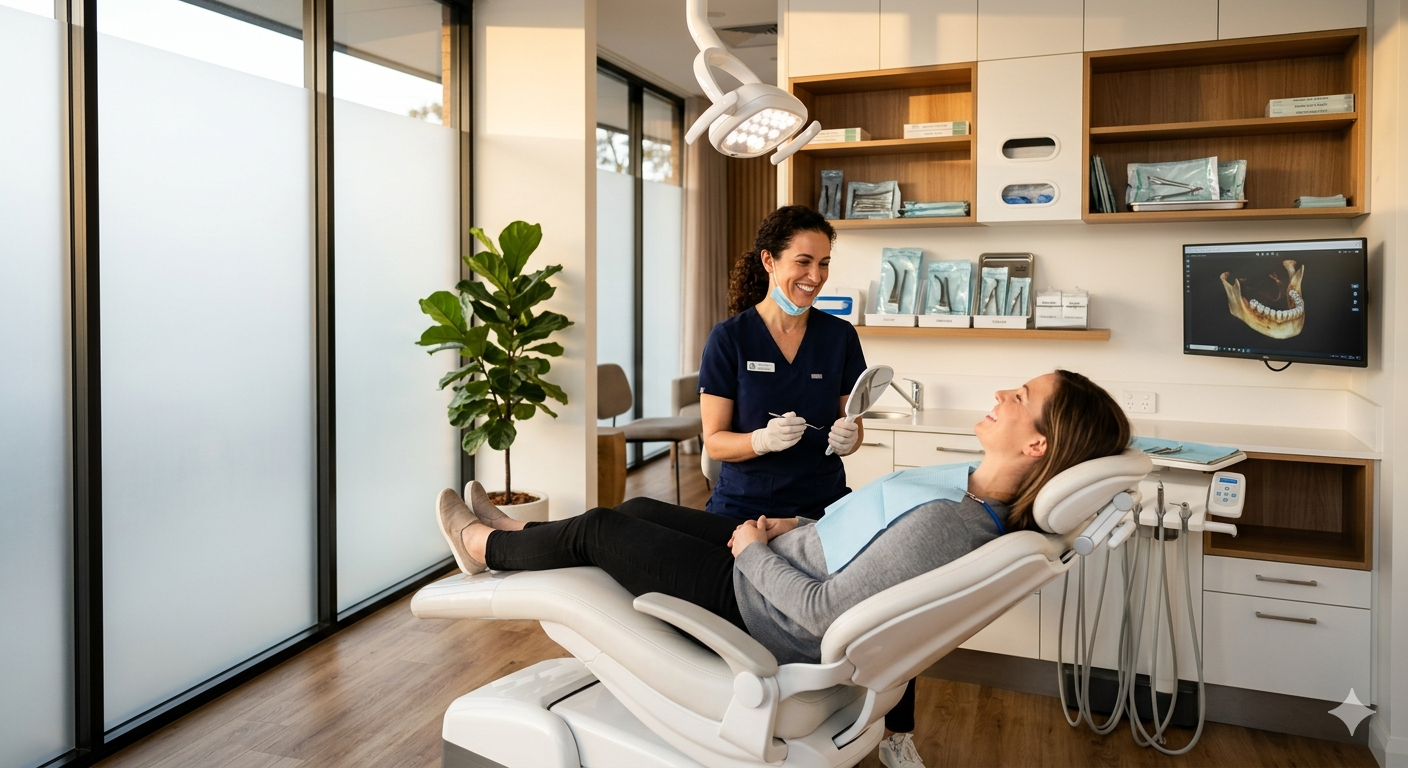
Invisalign in Peoria, AZ, offers a modern, comfortable way to straighten teeth without the hassle of traditional braces. Many people choose Invisalign because it uses clear, removable aligners that fit seamlessly into daily life. It provides an effective solution for a variety of orthodontic issues while keeping a low profile.
Patients in Peoria appreciate that Invisalign allows them to maintain their usual routines with minimal changes. Eating, brushing, and flossing remain easy, which supports better oral health during treatment. The process is tailored to each person’s smile, combining advanced technology with professional care.
For anyone considering teeth straightening, Invisalign is worth exploring as a personalized, discreet option. Consulting with a local dental expert can clarify what to expect and ensure the best outcome tailored to individual needs.
How Clear Aligners Work
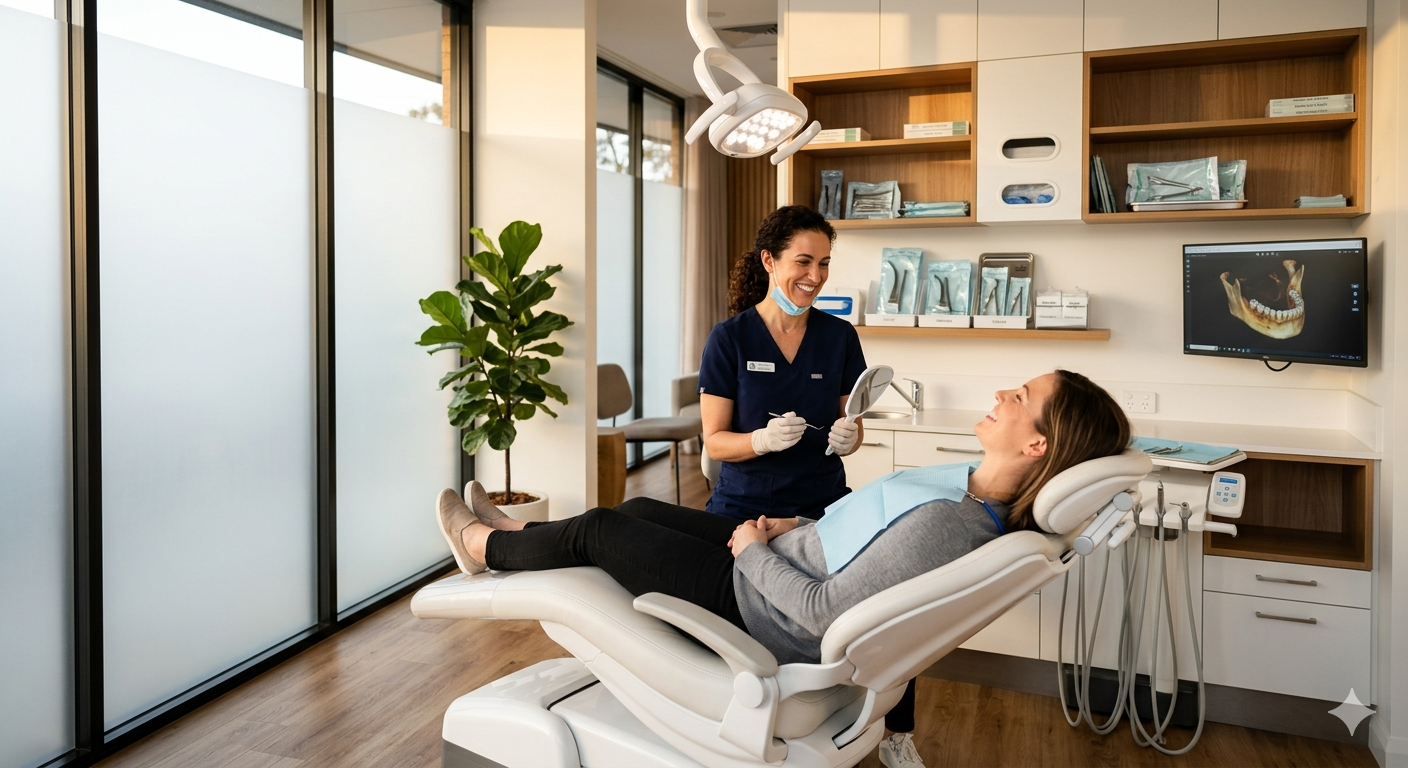
Clear aligners gradually shift teeth into place using gentle, controlled pressure. They rely on precise planning and customized trays that adjust alignment step-by-step over time. The process is discreet, removable, and often more comfortable than traditional braces.
The Science Behind Teeth Movement
Teeth move because of the pressure applied to the bone surrounding them. Clear aligners exert targeted force on specific teeth, encouraging bone to remodel in response. This allows teeth to shift safely without causing damage.
The aligners slightly loosen the tooth’s attachment to bone on one side while encouraging new bone growth on the opposite side. This balance maintains stability throughout treatment. The material used is flexible yet firm enough to guide teeth effectively.
Regular replacement of aligners ensures continued progression. Each new tray applies a slightly different pressure to fine-tune movement until the desired result is reached.
Duration and Treatment Timeline
Treatment with clear aligners usually lasts between 6 and 18 months. The exact timeline depends on the complexity of the dental issues and how consistently the patient wears the aligners.
Patients are advised to wear aligners 20-22 hours daily, removing them only to eat, drink, and clean teeth. Compliance strongly influences treatment speed and effectiveness.
New aligners are generally provided every 1-2 weeks. Check-ups with the dentist or orthodontist occur every 4-8 weeks to monitor progress and make adjustments if needed.
What Makes Aligners Different from Braces
Unlike braces, clear aligners are removable, which allows for easier cleaning and eating. They don’t have metal brackets or wires, reducing irritation to the gums and cheeks.
Aligners offer a nearly invisible look, which many patients find appealing for social or professional reasons. They are custom-made for comfort and gentle movement.
However, aligners require discipline—wearing them as prescribed is key. Braces are fixed and work continuously by default, but aligners rely on patient commitment for best results.
Benefits of Choosing Clear Aligners
Clear aligners offer a modern approach to straightening teeth, combining practical advantages with patient comfort. They make treating misalignment easier to fit into daily life without sacrificing appearance or hygiene.
Comfort and Convenience
Clear aligners are made from smooth plastic, designed to fit snugly over teeth without the metal brackets or wires traditional braces use. This minimizes irritation to gums and cheeks, reducing common discomfort that many people experience with braces.
Patients in Peoria can switch to new aligner sets every one to two weeks, gradually moving teeth with gentle pressure. These aligners are custom-made, ensuring a precise fit that doesn’t interfere much with speaking or eating. Plus, appointments tend to be shorter and less frequent compared to braces, fitting better into busy schedules.
Aesthetics and Confidence
One of the biggest benefits of clear aligners is how subtle they are. The transparent material blends with natural tooth color, making them much less visible than metal braces. This discreet look helps patients feel more confident during treatment, especially in social or professional settings.
Because the aligners don’t draw attention, patients often report feeling better about smiling and speaking in public. This boost in self-esteem can motivate better adherence to wearing the aligners consistently, which is essential for effective treatment.
Removability and Easy Cleaning
Clear aligners can be taken out easily for eating and drinking, which means no restrictions on favorite foods like popcorn or apples. This removability also simplifies oral hygiene routines since teeth can be brushed and flossed normally.
Maintaining good dental health during treatment is easier because there’s less risk of plaque buildup and staining compared to braces. Patients just need to clean their aligners regularly with rinsing or gentle brushing, helping keep both teeth and appliances fresh.
Is Aligner Therapy Right for You?
Aligner therapy offers a discreet and comfortable way to improve smiles. However, not everyone is an ideal candidate, and factors like age and specific dental issues play a big role. Understanding who benefits most can guide you toward the right choice.
Ideal Candidates for Treatment
Patients with mild to moderate crookedness, gaps, or crowding usually see the best results with aligners. Those who want to avoid metal brackets for a cleaner look often choose this option. People with good oral hygiene and the ability to wear aligners for 20-22 hours daily tend to have smoother treatment experiences.
Certain severe bite problems or complex orthodontic cases might require traditional braces instead. It’s important to remember that consistent follow-up visits and wearing aligners as prescribed directly affect how well the treatment works. Candidates who prioritize comfort and convenience often find aligners a practical solution.
Age Considerations
Aligners are suitable for teens and adults, typically once permanent teeth have fully developed. For younger patients, usually under 12, aligners may not be effective because primary teeth can fall out unevenly, disrupting the fit.
Teenagers benefit from discreet treatment that fits active lifestyles and school schedules. Adults appreciate the nearly invisible appearance and removable feature, allowing easier maintenance of oral hygiene. Dentists will evaluate jaw growth and oral health before recommending aligners to ensure they are age-appropriate and safe.
Common Dental Issues Addressed
Aligners correct several common conditions like mild crowding, spaces between teeth, and certain bite irregularities such as overbites or underbites. They can gently shift teeth into better positions over time, improving overall alignment.
However, more complex issues like severe crossbites, significant jaw misalignment, or very large gaps might require different orthodontic interventions. Aligners also help reduce risks of tooth wear and gum problems by creating a more balanced bite. Discussing specific dental concerns with an orthodontist will clarify whether aligner therapy can meet your needs.
The Step-by-Step Process in Peoria
Starting Invisalign treatment in Peoria involves clear steps designed to make the experience smooth and comfortable. Each stage ensures the aligners fit well and work effectively to straighten teeth gently over time.
Personalized Consultations and Digital Impressions
The process begins with a thorough consultation at a local Peoria dental office. During this visit, the dentist evaluates your bite, discusses your smile goals, and determines if Invisalign is the right choice.
Next, they use digital scanners to capture detailed 3D images of your teeth. These digital impressions replace traditional molds, offering a quicker, more comfortable experience. The scans provide precise measurements that are critical for designing custom aligners tailored specifically to your mouth.
This personalized approach ensures the treatment plan fits the unique shape and alignment of your teeth, making it both accurate and effective.
Previewing Your Smile Transformation
Once the digital impressions are complete, Peoria dentists use advanced software to create a virtual preview of your smile’s progress. This 3D simulation shows how teeth will move over time, giving a realistic look at the expected results.
Patients can see each stage of alignment, which helps set clear expectations. This preview also allows dentists to adjust the treatment plan if needed before manufacturing the aligners.
Seeing the potential outcome upfront often reassures patients and motivates them to stick with the treatment.
Receiving and Using Your Aligners
After finalizing the treatment plan, custom Invisalign aligners are made and ready for pick-up or delivery. Patients typically receive a series of clear, removable trays to wear throughout their treatment.
Each set is worn for about 1-2 weeks before switching to the next in the series. The aligners should fit snugly and be worn 20-22 hours daily, only removed for eating, drinking (except water), and cleaning.
Regular check-ins with the Peoria dentist track progress and address any concerns. Following these guidelines helps ensure steady, predictable movement toward a healthier, straighter smile.
Caring for Your Smile During Treatment
Maintaining a healthy, bright smile during Invisalign treatment takes a bit of attention each day. Proper care helps avoid stains, discomfort, and keeps progress smooth. Simple habits can make a big difference throughout the journey.
Daily Aligner Care Tips
Aligners need regular cleaning to stay clear and fresh. Rinse them with lukewarm water every time you remove them to prevent saliva buildup. Avoid hot water, which can warp the plastic.
Use a soft toothbrush and clear, unscented soap or a designated Invisalign cleaning crystal to gently scrub your trays each morning and night. Avoid toothpaste as it can scratch the aligners.
Store your Invisalign in its case when not in use. This prevents loss or damage and keeps them out of reach of pets and bacteria. Keeping the aligners clean improves comfort and appearance during treatment.
Oral Hygiene Recommendations
Brushing and flossing after every meal is crucial while wearing Invisalign. Food particles trapped between teeth or on aligners can increase the risk of cavities and gum irritation.
Use a fluoride toothpaste and a soft-bristled toothbrush. Clean all surfaces thoroughly, including along the gum line. Floss daily to remove plaque where brushing can’t reach.
Rinsing with an antimicrobial mouthwash can add extra protection for gums. Avoid sugary or acidic drinks with trays in place to prevent enamel weakening.
Managing Mild Discomfort
It’s normal to experience some soreness when starting a new set of aligners or after adjustments. This typically lasts a few days as teeth shift.
Over-the-counter pain relievers like ibuprofen can help manage discomfort safely. Applying a cold compress externally may reduce any swelling.
If sharp edges irritate your cheeks or gums, orthodontic wax can be applied to the rough spots. Contact your orthodontist if pain persists or worsens beyond a few days.
Life with Aligners: What to Expect
Wearing Invisalign aligners brings a new daily routine, with specific habits that help ensure smooth treatment. Patients will notice changes in eating, speaking, and how they manage their aligners during travel.
Eating and Drinking Guidelines
Aligners should always be removed before eating or drinking anything other than water. Eating with them in can cause damage, stains, and trapped food particles leading to bad odor or cavities.
Water is safe and encouraged while wearing aligners, as it keeps the mouth hydrated without harming the plastic. After meals, it’s important to brush teeth before reinserting aligners to prevent bacteria buildup.
Cleaning aligners regularly with a soft toothbrush and gentle cleanser helps maintain hygiene. Avoid hot drinks while aligners are in, as heat can warp the plastic and affect fit.
Speaking and Social Situations
Some patients may experience a slight lisp or change in speech during the first few days. This happens as the mouth adjusts to the presence of the aligners.
Practicing speaking out loud or reading can speed up adaptation. Most people find their normal speech returns within a week or less.
Aligners are transparent, so they are discreet in social settings. Keeping them clean and odor-free supports confidence when talking or eating with others.
Travelling with Your Aligners
When travelling, carrying a protective case for aligners is essential to avoid loss or damage. It’s wise to pack a small oral hygiene kit including a toothbrush and toothpaste.
Aligners should never be wrapped in napkins or tissue, as they can be accidentally thrown away. Staying on schedule with aligner changes during trips helps maintain treatment progress.
Patients should plan to drink plenty of water and avoid sugary or staining beverages while wearing aligners, especially when on the go.
The Role of Your Local Dental Team
A supportive dental team guides every step of Invisalign treatment, ensuring progress stays on track while addressing patient comfort. They tailor care plans to individual needs and provide answers to common questions, making the journey smoother.
Ongoing Checkups and Support
The dental team schedules regular visits, usually every 6 to 8 weeks, to monitor how the teeth are moving. These checkups allow for adjustments if the aligners aren’t fitting perfectly or if minor corrections are needed.
During appointments, they examine oral health to prevent issues like cavities or gum inflammation that could interfere with treatment. Patients also receive new sets of aligners and guidance on wearing them correctly.
By keeping a close eye on progress, the team helps avoid delays and promotes consistent results. This hands-on support gives patients confidence throughout the process.
Customizing Your Experience
Every smile is unique, so the dental team customizes Invisalign plans based on individual dental structure and lifestyle. They use 3D imaging and detailed scans to create precise aligners tailored to specific tooth movements.
They consider factors like bite patterns, jaw alignment, and patient preferences. If a patient has concerns about comfort or appearance, the team recommends adjustments or alternative designs.
Clear communication allows the team to make tweaks during treatment, ensuring aligners fit well and work effectively without causing unnecessary discomfort.
Addressing Questions and Concerns
Patients often have questions about how Invisalign affects daily life, from eating to speaking. The dental team provides clear answers on what to expect, such as avoiding certain foods and how to clean aligners.
They also address concerns about treatment duration, pain levels, and how to handle lost or damaged aligners. Patients are encouraged to reach out anytime for advice or reassurance.
This ongoing dialogue builds trust and eases anxiety, making the whole treatment experience more comfortable and manageable.
Cost and Insurance Information
Invisalign costs in Peoria, AZ vary depending on individual treatment needs and the complexity of the case. Payment flexibility and insurance coverage can help make the process more affordable. Understanding these key factors helps patients plan their orthodontic journey better.
Typical Price Range
In Peoria, the price for Invisalign treatment generally falls between $3,000 and $7,000. Simple cases, like minor teeth adjustments, tend to be at the lower end, while more complex corrections approach the higher range. This varies by provider and treatment length.
Some dental offices offer free consultations, which help estimate exact costs based on your smile goals. Pricing often includes initial molds, aligners, periodic check-ups, and retainers post-treatment. Patients should ask if any additional fees apply, like replacement trays or follow-up visits.
Financing Options
Many Peoria dental providers offer payment plans to spread costs across several months or years. These plans may come with little to no interest, making Invisalign more manageable without large upfront payments.
CareCredit and other healthcare credit cards are common options, offering flexible terms and quick approval. Some offices accept major credit cards or allow combining insurance benefits with financing.
Patients are encouraged to discuss all available payment options during their consultation. Clear communication can help find a plan that suits their budget comfortably.
Understanding Insurance Coverage
Dental insurance may partially cover Invisalign, often under orthodontic benefits. This coverage typically ranges from $1,000 to $3,000, depending on the policy. Adults and children might have different benefit limits.
It’s important to verify with the insurance provider if Invisalign is covered, as some plans only cover traditional braces. Providers usually assist in submitting pre-authorization forms to confirm coverage before treatment starts.
Patients should also consider Flexible Spending Accounts (FSAs) or Health Savings Accounts (HSAs) to help pay for costs tax-free. Combining insurance with these accounts can reduce out-of-pocket expenses significantly.
Results and Smile Maintenance
Invisalign treatment in Peoria, AZ, offers gradual and effective teeth straightening with discreet aligners. Patients can expect noticeable improvement within a few months, with most treatments lasting about 12 to 18 months. The aligners gently shift teeth into place, creating a natural and confident smile.
Once treatment is complete, maintaining these results is key. Patients typically receive retainers to wear regularly, especially at night, to keep teeth from moving back. Good oral hygiene habits, like brushing and flossing daily, help preserve the aligners’ impact and overall dental health.
Regular dental check-ups are just as important. These visits allow the dentist to monitor the teeth’s position and address any potential shifts early. Lifestyle habits, such as avoiding hard or sticky foods, also protect the smile’s longevity.
| Maintenance Tip | Why It Matters |
|---|---|
| Wear retainers as advised | Prevents teeth from shifting back |
| Brush and floss daily | Keeps teeth and gums healthy |
| Attend follow-up visits | Ensures ongoing dental alignment |
Invisalign’s convenience and ease of cleaning mean patients enjoy a smoother path to a straight smile. With proper care and attention, the benefits last for years.
If questions come up about maintaining your new smile, a trusted Peoria dentist is the best resource to guide you.
Next Steps Toward a Straighter Smile
After deciding on Invisalign in Peoria, AZ, the first step is scheduling an initial consultation. During this appointment, the dental professional evaluates the teeth, discusses goals, and determines if Invisalign is the best option.
Next comes taking digital scans or molds of the teeth. These images create a precise treatment plan, showing how the teeth will gradually shift. Patients can even see a preview of their future smile before starting.
Once the aligners arrive, the patient wears them for 20-22 hours a day. Each set is typically worn for 1-2 weeks before moving to the next. Follow-up visits help track progress and make any necessary adjustments.
Patients appreciate the flexibility Invisalign offers. The aligners are removable, which makes eating, brushing, and flossing easier compared to traditional braces.
Here’s a quick overview:
| Step | Description |
|---|---|
| Consultation | Exam and treatment planning |
| Digital Impressions | Precise images for custom aligners |
| Wearing Aligners | Daily use with regular changes |
| Progress Check-ups | Monitor and adjust treatment |
Encouraging patients to ask questions throughout the process helps ease any concerns. A straighter smile in Peoria is achievable with clear guidance and comfortable care.
Frequently Asked Questions
Understanding how clear aligners work and what to expect during treatment can help patients feel confident about their choice. Topics like candidacy, treatment length, comfort, checkups, effects on jaw pain, and costs are common concerns.
Am I a good candidate for clear aligners, or do I need traditional braces?
Clear aligners work well for mild to moderate teeth misalignment. More complex cases, such as severe crowding or bite issues, might require traditional braces or a combined approach.
A dental professional in Peoria will evaluate your specific situation and recommend the best option.
How long does treatment usually take for mild, moderate, or more complex cases?
Mild cases typically take about 6 to 9 months. Moderate cases often require 9 to 15 months. More complex issues may take 18 months or longer.
Treatment time varies based on individual needs and adherence to wearing aligners as directed.
Will wearing aligners be painful, and what can I do to stay comfortable?
Some mild pressure or soreness is normal during the first few days of new aligners. This usually fades as teeth adjust.
To stay comfortable, over-the-counter pain relievers and cold compresses can help ease discomfort. Consistent wear minimizes pain over time.
How often do I need checkups during treatment, and what happens at those visits?
Checkups generally occur every 6 to 8 weeks. During visits, the dentist monitors progress, addresses concerns, and provides the next sets of aligners.
Regular appointments ensure treatment stays on track and adjustments happen promptly.
Can aligners help with jaw pain or TMJ-related symptoms, or could they make it worse?
Aligners may alleviate some jaw discomfort by improving bite alignment. However, they are not designed to treat TMJ disorders directly.
If jaw pain persists or worsens, it’s important to consult with a dental specialist to explore appropriate treatment options.
What should I expect to pay, and do dental insurance or payment plans typically help?
Treatment costs in Peoria vary, typically ranging from $3,000 to $5,500. Many dental insurance plans cover a portion of Invisalign treatment.
Flexible payment plans and financing options are often available to help manage expenses comfortably.