Cosmetic Dentistry Peoria AZ: Gentle, Modern Smile Makeovers From Your Local Experts

You’ll discover how cosmetic dentistry in Peoria, AZ can transform appearance and confidence with modern, comfortable treatments tailored to local needs. Cosmetic dentists in Peoria offer practical options—veneers, whitening, bonding, and implants—that target common concerns and deliver noticeable, reliable results.

They explain what each treatment does, how long it takes, and what to expect during the care journey, so you can make informed choices without anxiety. Personalized treatment plans, clear cost options, and a focus on patient comfort make getting the smile you want straightforward and approachable.

What Cosmetic Dentistry Can Do For Your Smile

Cosmetic dentistry changes how a smile looks, how it functions, and how a person feels about their appearance. Patients can expect targeted solutions for stains, chips, gaps, misalignment, and worn teeth using conservative, modern techniques.

Enhancing Confidence and Self-Esteem

Cosmetic treatments often produce visible results quickly, which can lift a patient’s confidence in social and professional situations. Teeth whitening removes intrinsic and extrinsic stains from coffee, tobacco, and aging; chairside whitening can lighten shades in one appointment, while take-home trays maintain results at home.

Veneers and crowns reshape teeth affected by chips, deep stains, or uneven wear, giving a uniformly bright and natural look. These restorations are color-matched and contoured to facial proportions to avoid an artificial appearance. Patients frequently report feeling more willing to smile, speak, and take photos after treatment.

Dentists also address smile balance—correcting width, height, and symmetry—to create a look that suits a person’s face. This tailored approach helps avoid one-size-fits-all results and supports long-term satisfaction with appearance.

Correcting Dental Imperfections

Cosmetic dentistry corrects a wide range of imperfections with durable materials and minimally invasive techniques. Porcelain veneers cover front-tooth defects like deep discoloration, minor misalignment, and enamel defects while preserving as much natural tooth structure as possible.

Composite bonding repairs chips, fills small gaps, and rebuilds worn edges in a single visit, using tooth-colored resin that dentists sculpt and polish to match adjacent teeth. For larger structural problems, crowns restore strength and function while improving esthetics.

Orthodontic options such as clear aligners straighten teeth and close gaps without visible brackets. Dental implants replace missing teeth with titanium posts and ceramic crowns, restoring chewing function and preventing bone loss. Each option targets the specific problem and considers durability, maintenance, and oral health.

Personalized Treatment Planning

A cosmetic plan starts with a comprehensive exam: intraoral photos, digital X-rays, and bite analysis identify esthetic and functional needs. Dentists review medical and dental history, lifestyle habits (like smoking or grinding), and aesthetic goals before proposing options.

They present a step-by-step plan with timelines, costs, and alternatives—whitening before veneers, or orthodontics before restorative work—so patients understand sequencing and expected outcomes. Digital mock-ups and trial veneers help patients preview results and request adjustments.

Follow-up and maintenance plans include at-home care, professional cleanings, and protective measures like night guards for grinders. This personalized roadmap aims for predictable esthetic results while protecting long-term oral health.

Popular Cosmetic Treatments in Peoria, AZ

Patients in Peoria seek faster, predictable ways to brighten smiles, correct alignment, and fix chips or gaps. Local practices offer in-office and take-home whitening, porcelain veneers, clear aligners, and chairside bonding with an emphasis on comfort and natural-looking results.

Teeth Whitening Options

Peoria clinics typically offer two main whitening pathways: professional in-office bleaching and dentist-prescribed take-home trays. In-office systems use higher-concentration hydrogen peroxide and light-assist protocols to lift stains 6–10 shades in a single 60–90 minute visit, while chairside treatments include measures to reduce sensitivity during the procedure.

Take-home kits provide custom-fitted trays made from impressions or digital scans and lower-concentration carbamide peroxide for overnight or daily use over 1–2 weeks. These kits work well for maintenance after an in-office session and for patients with mild staining. Dentists evaluate enamel health, restorations, and gum recession before recommending either option to avoid uneven whitening or damage to crowns and fillings.

Porcelain Veneers

Porcelain veneers are thin ceramic shells bonded to the front of teeth to correct shape, size, color, and minor alignment issues. The typical process spans two to three visits: diagnostic planning and mock-ups, conservative enamel preparation with 0.3–0.7 mm reduction, and final cementation of custom-milled veneers matched to surrounding teeth.

Veneers resist staining better than composite and can last 10–15 years with proper care. Candidates should have adequate enamel, healthy gums, and realistic expectations; active bruxism or severe decay may require preliminary treatment. Dentists in Peoria often use digital smile design and try-in restorations so patients preview outcomes before permanent placement.

Invisalign and Clear Aligners

Clear aligners correct misalignment, crowding, and spacing using a series of removable, BPA-free plastic trays that gradually shift teeth. An initial clinical exam and digital scan generate a treatment plan showing staged movements and expected duration, typically 6–18 months for cosmetic improvements that don’t require complex bite correction.

Aligners offer discreet wear and fewer emergency visits compared with braces, but they require 20–22 hours of daily wear and patient discipline. Local providers monitor progress every 6–10 weeks and may use attachments or interproximal reduction (IPR) to achieve specific movements. Clear aligners also integrate with whitening protocols so patients can whiten between sets for coordinated results.

Dental Bonding Techniques

Dental bonding uses tooth-colored composite resin to repair chips, close small gaps, and reshape teeth in a single visit. The dentist roughens the enamel, applies a bonding agent, sculpts the composite, and cures it with a light—procedures commonly finished in 30–60 minutes per tooth with minimal enamel removal.

Bonding works well for cosmetic fixes that don’t need full-coverage restorations, but it stains and wears faster than porcelain. Typical lifespan ranges from 5–8 years depending on habits like smoking or coffee drinking. Peoria practices emphasize shade matching and finishing techniques to blend restorations with natural enamel, and they discuss maintenance steps such as avoiding abrasive toothpaste and scheduling periodic polishings.

Questions about suitability or next steps are encouraged; a consultation clarifies options, timelines, and expected costs before treatment begins.

Choosing The Right Cosmetic Dentist

Selecting a cosmetic dentist in Peoria requires attention to credentials, patient comfort, and up-to-date technology. Focus on specific qualifications, the practice’s approach to anxiety and pain control, and the diagnostic and restorative tools they use.

Credentials and Experience

They should list formal training such as a DDS or DMD and any postgraduate cosmetic or restorative dentistry courses. Look for memberships or certifications from organizations like the American Academy of Cosmetic Dentistry (AACD) and continuing education credits in veneers, implant restorations, or smile design software.

Review the dentist’s portfolio of before-and-after photos tied to real patient cases, not just stock images. Ask how many procedures of the same type they perform annually — volume often correlates with predictable results. Check state dental board records for licensure status and any disciplinary actions.

Patient reviews and referral patterns from local dentists provide practical insight into outcomes and professional reputation. Inquire about laboratory partners and whether the dentist uses accredited ceramists for porcelain work. These specifics help set realistic expectations for longevity and aesthetics.

Comfort-First Approach

They should describe pain management options clearly, such as topical anesthetics, local anesthesia with digital delivery systems, oral sedatives, and nitrous oxide. Ask whether the practice offers pre-procedure consultations to tailor sedation plans for dental anxiety or medical conditions.

Look for clinic policies that minimize stress: flexible scheduling, quiet recovery areas, and explicit consent processes that explain each step. Staff training in patient communication and chairside manner matters; a team that explains trade-offs between cosmetic options reduces surprises.

Check for accommodations like pre-op BP checks for medically complex patients and post-procedure follow-up calls. A written care plan with expected recovery timelines and emergency contact methods indicates a patient-centered practice focused on safety and comfort.

Technology and Techniques

They should use digital impression systems (intraoral scanners) to improve fit accuracy for crowns, veneers, and implant abutments. Ask whether the dentist employs CAD/CAM milling for same-day restorations or partners with local labs for custom shading and characterization.

Advanced diagnostics matter: cone-beam CT (CBCT) for implant planning, digital smile design (DSD) for aesthetic mockups, and high-resolution photography for case planning. These tools reduce guesswork and allow predictable communication between dentist, ceramist, and patient.

Inquire about materials and protocols: e.max or zirconia crowns for strength, layered porcelain for translucency, and adhesive bonding techniques for conservative veneers. Also ask how they handle maintenance — custom night guards, recall intervals, and warranty policies for cosmetic work.

The Cosmetic Dentistry Journey: What To Expect

Patients can expect a clear path from assessment through treatment to recovery, with emphasis on comfort, realistic results, and ongoing care. The process centers on a detailed examination, a tailored plan, and specific aftercare steps to protect investment and oral health.

Initial Consultation Process

The initial visit begins with a focused medical and dental history review to identify medications, allergies, and previous dental work that affect treatment choices. The dentist performs a clinical exam, intraoral photos, digital X-rays, and often an intraoral scan to capture tooth shape and bite precisely.

During the consultation, the clinician discusses aesthetic goals using before-and-after photos and mock-ups; patients see digital simulations or try-in temporaries for shade, shape, and length. Financial estimates, insurance considerations, and available financing are reviewed so there are no surprises.

The team also assesses gum health and bite function; untreated gum disease or malocclusion usually requires stabilization before cosmetic work. The visit concludes with a recommended sequence of treatments, estimated timelines, and options for sedation or local anesthesia to maximize comfort.

Treatment Planning Steps

The treatment plan lists procedures in logical order—gum therapy, orthodontics or aligner treatment if needed, bleaching, veneers or crowns, and final polishing—each with timing and cost. The plan includes material choices (e.g., porcelain veneers vs. composite bonding), pros and cons, and expected lifespan so patients can choose based on durability and budget.

Lab work and custom shading are scheduled for restorations; the dentist communicates with the dental lab using photos and digital files to match color and translucency. If multiple appointments are required, the office provides a timeline outlining temporary restorations, mid-treatment checks, and final placement days.

Consent forms, pre- and post-op instructions, and contact information for urgent questions are provided before procedures begin. This planning minimizes surprises and helps patients coordinate work, school, or travel around appointments.

Aftercare and Follow-Up

Aftercare focuses on protecting restorations and maintaining oral health with specific daily routines: gentle brushing with a non-abrasive toothpaste, flossing, and avoiding hard or staining foods for the first two weeks. The dentist prescribes or recommends products when indicated, such as sensitivity toothpaste, chlorhexidine rinse for short-term gum healing, or nightguards to prevent bruxism damage.

Follow-up visits occur at one week for soft-tissue checks, at two to four weeks for final adjustments, and then routine recalls every six months or as recommended. The office documents the outcome with photos and schedules future maintenance—polishing, occlusal checks, and replacement timelines for veneers or crowns.

If any sensitivity, looseness, or aesthetic concern arises, the patient is advised to contact the office immediately; prompt adjustments often prevent more extensive repairs later.

Caring For Your New Smile

Proper care keeps restorations looking natural and lasting longer. Consistent daily habits, smart food choices, and regular professional maintenance protect both cosmetic work and natural teeth.

Daily Oral Hygiene Tips

They should brush twice daily with a soft-bristled brush and fluoride toothpaste, using gentle circular motions to avoid scratching veneers or abrading gum margins. Electric toothbrushes with pressure sensors offer consistent technique and reduce the chance of overbrushing.

Flossing once a day is essential; floss threaders help clean under fixed bridges and around implants. Interdental brushes sized to fit the gap can remove plaque where floss can’t. Antibacterial mouthwash used after flossing lowers bacterial load but should not replace brushing.

If they have whitening-treated teeth, they should wait 24–48 hours after an in-office procedure before using peroxide rinses. For bonded restorations, avoid abrasive whitening pastes. They should follow any product-specific instructions provided by their Peoria cosmetic dentist.

Foods and Habits to Avoid

They should cut back on staining foods and drinks: coffee, black tea, red wine, soy sauce, and dark berries. When consuming these, use a straw for beverages and rinse with water afterward to reduce surface staining.

Avoid very hard foods such as ice, hard candy, and unpitted nuts that can chip porcelain or composite restorations. Chewing on pens, fingernails, or using teeth to open packages risks fractures and should be stopped.

They should not smoke or use tobacco; nicotine and tar cause deep staining and increase the risk of gum disease that can undermine restorations. If they grind teeth, a nightguard prescribed by the dentist protects veneers, crowns, and implants from excessive wear.

Regular Checkups and Maintenance

Schedule professional cleanings and exams every six months or as recommended; the dentist will check margins, fit, and bite, and remove build-up that at-home care misses. Hygienists use nonabrasive polish for veneers and crowns to avoid surface damage.

For implants, the team will measure pocket depths and assess bone health; they may recommend more frequent recalls if peri-implant inflammation appears. Composite bonds may need occasional polishing or touch-ups; porcelain restorations sometimes require re-cementing over many years.

Keep a log of any sensitivity, roughness, or changes in bite and report them promptly. The Peoria cosmetic dentist can adjust restorations or recommend protective appliances to extend the life of the new smile and preserve oral health.

Understanding Costs and Payment Options

Cosmetic dental care in Peoria, AZ varies by procedure, materials, and provider. Patients should expect transparent estimates, options to spread payments, and strategies to reduce long-term costs through prevention.

Factors Affecting Cosmetic Dentistry Pricing

Several elements determine the price of cosmetic procedures. Porcelain veneers commonly range from $1,000 to $2,500 per tooth depending on porcelain type and lab fees. Composite bonding is less expensive, often $200–$800 per tooth, but may need touch-ups sooner.
Implants typically cost $3,000–$6,000 per tooth when including the implant, abutment, and crown; bone grafts or sinus lifts increase that estimate. Teeth whitening in-office usually runs $300–$800, while take-home custom trays fall around $200–$400.
Provider experience and location influence cost: specialists or highly rated cosmetic dentists in Peoria may charge more, but they can reduce risk of complications. The complexity of the case—extent of alignment, existing restorations, and need for preparatory work—also affects final pricing. Patients should request itemized estimates and compare lab materials, warranties, and expected lifespan for each option.

Flexible Financing Solutions

Many Peoria practices offer multiple payment paths to make care manageable. Common options include third-party medical/dental credit (CareCredit, LendingClub) with promotional 6–24 month no-interest plans.
In-house financing plans let patients split fees over several months directly through the dental office, often with fixed monthly payments. Some offices accept major credit cards and will structure a payment schedule to avoid high-interest debt.
Insurance rarely covers purely cosmetic work, but some restorative-procedural components may qualify. Patients should submit pre-treatment estimates to their insurer and ask the office to code procedures for maximum possible coverage. Requesting a written payment plan and verifying all fees in advance reduces surprise charges.

Maximizing Value Through Preventive Care

Prevention lowers long-term cosmetic expenses by preserving natural teeth and restorations. Regular cleanings every 3–6 months and fluoride or desensitizing treatments extend the life of veneers, crowns, and whitening results.
Night guards for bruxism protect restorations and implants from fracture, avoiding costly repairs. Addressing minor enamel erosion or misalignment early can eliminate the need for full-coverage crowns or multiple implants later.
Patients should maintain good oral hygiene, follow recall schedules, and discuss maintenance plans with their cosmetic dentist. Investing in preventive steps delivers better aesthetics and fewer expensive interventions over time.

Why Peoria, AZ Is A Great Place For Cosmetic Dentistry

Peoria combines a growing, health-conscious community with easy access to modern dental specialists. Many practices invest in up-to-date technology, like digital imaging and same-day restorations, which shortens treatment time and improves outcomes.

The city’s climate and active lifestyle encourage people to prioritize appearance and oral health. Patients often seek treatments that enhance both function and confidence, such as tooth-colored restorations and clear aligners.

Local dentists tend to emphasize patient comfort and individualized care. Clinics commonly offer sedation options, teledentistry consultations, and flexible scheduling to reduce anxiety and fit busy lives.

Competitive local market helps keep prices reasonable while fostering high standards. Many providers participate in continuing education and state dental associations, so residents can expect evidence-based approaches.

Convenient location and strong referral networks make multidisciplinary care accessible. If a case requires periodontal, orthodontic, or prosthodontic input, coordination between specialists in the area is typically straightforward.

Practical next step: encourage scheduling a consultation to discuss goals, review options, and get a personalized plan.

Taking The Next Step Toward Your Ideal Smile

They can start by scheduling a consultation with a trusted Peoria cosmetic dentist to discuss goals, concerns, and budget. A short exam and conversation help identify whether veneers, whitening, bonding, or implants best match the desired outcome.

The dentist will often provide digital mockups or before-and-after photos to show expected results. Seeing visual options reduces uncertainty and makes it easier to choose the right treatment.

Patients should ask about comfort measures, anesthesia options, and recovery timelines. Understanding what to expect during and after procedures lowers anxiety and helps plan time off work or school.

Financial questions matter. Many practices offer payment plans, financing, or membership programs to make cosmetic treatments more accessible.

Preparation may include a hygiene cleaning, X-rays, or impressions. These steps ensure the mouth is healthy and create accurate treatment plans.

They should prioritize practices that emphasize preventive care alongside cosmetic work. A beautiful smile lasts longer when paired with regular checkups and good home care.

Encourage them to bring a list of questions and photos of smiles they like. This practical step speeds up planning and helps the dentist craft a personalized treatment sequence.

Contacting the Peoria office for a consultation or phone call is an easy next move. Asking about first-visit details will clarify timing, costs, and any pre-appointment instructions.

Frequently Asked Questions

This section answers common patient concerns about improving smile appearance, costs, insurance, longevity of results, comfort during procedures, and how to pick a cosmetic dentist. It gives specific examples and practical next steps to help readers prepare for a consultation in Peoria, AZ.

What cosmetic dental treatments can help improve my smile the most?

Veneers reshape and whiten visible teeth, correcting gaps, chips, and severe staining in 1–3 visits.
Teeth whitening brightens natural teeth by several shades in a single in-office session or over a few weeks with take‑home trays.
Dental bonding repairs small chips and close minor gaps with a tooth‑colored resin in one appointment.
Clear aligners straighten mildly to moderately crooked teeth over months, improving both alignment and smile symmetry.

How much do veneers, bonding, and teeth whitening typically cost?

Porcelain veneers in Peoria usually range $900–$2,200 per tooth, depending on material and lab work.
Composite bonding generally costs $200–$600 per tooth, influenced by complexity and chair time.
Professional in‑office whitening commonly runs $300–$700 per session; take‑home custom trays cost $250–$500.
Prices vary by practice, so patients should request a written estimate and breakdown before treatment.

Will my dental insurance cover any part of cosmetic dental work?

Most insurance plans do not cover purely cosmetic procedures like elective veneers and whitening.
Insurance may pay for restorative work that also improves appearance—such as crowns or fillings—if there’s a documented medical need.
Patients should contact their insurer and bring proposed treatment codes (CDT codes) to a consultation to confirm benefits.

How long do results like veneers or whitening usually last with good care?

Porcelain veneers often last 10–15 years with proper hygiene and regular dental visits.
Composite bonding typically lasts 5–7 years before staining or wear may require touch‑ups.
Professional whitening results can remain 6 months to 3 years; maintenance with at‑home trays or occasional touch‑ups extends longevity.
Avoiding tobacco, limiting staining foods and drinks, and wearing a nightguard for grinding protects results.

Are cosmetic dental procedures painful, and what comfort options are available?

Most cosmetic procedures cause little to no pain when performed with local anesthesia and modern techniques.
Dentists offer topical numbing, local anesthetic injections, and sedation options such as nitrous oxide or oral sedation for anxious patients.
Post‑procedure sensitivity is common after whitening or bonding but usually resolves in days with desensitizing toothpaste and short‑term care instructions.

How do I choose the right dentist for cosmetic work and what should I ask at a consultation?

Look for a dentist with before‑and‑after photos of cases similar to the desired outcome and positive patient reviews.
Ask about the dentist’s training in cosmetic dentistry, the materials and labs they use, estimated total costs, and a step‑by‑step treatment timeline.
Request to see digital or mock‑up previews of expected results, and inquire about warranty or follow‑up care for restorations.
Confirm appointment availability, financing options, and how the office manages comfort and sedation.
1775138876557 58453b83 Gemini Generated Image X9f6adx9f6adx9f6

Invisalign Peoria AZ Benefits and What to Expect From Your Treatment

Invisalign in Peoria, AZ, offers a modern, comfortable way to straighten teeth without the hassle of traditional braces. Many people choose Invisalign because it uses clear, removable aligners that fit seamlessly into daily life. It provides an effective solution for a variety of orthodontic issues while keeping a low profile.

Patients in Peoria appreciate that Invisalign allows them to maintain their usual routines with minimal changes. Eating, brushing, and flossing remain easy, which supports better oral health during treatment. The process is tailored to each person’s smile, combining advanced technology with professional care.

For anyone considering teeth straightening, Invisalign is worth exploring as a personalized, discreet option. Consulting with a local dental expert can clarify what to expect and ensure the best outcome tailored to individual needs.

How Clear Aligners Work

Blog image

Clear aligners gradually shift teeth into place using gentle, controlled pressure. They rely on precise planning and customized trays that adjust alignment step-by-step over time. The process is discreet, removable, and often more comfortable than traditional braces.

The Science Behind Teeth Movement

Teeth move because of the pressure applied to the bone surrounding them. Clear aligners exert targeted force on specific teeth, encouraging bone to remodel in response. This allows teeth to shift safely without causing damage.

The aligners slightly loosen the tooth’s attachment to bone on one side while encouraging new bone growth on the opposite side. This balance maintains stability throughout treatment. The material used is flexible yet firm enough to guide teeth effectively.

Regular replacement of aligners ensures continued progression. Each new tray applies a slightly different pressure to fine-tune movement until the desired result is reached.

Duration and Treatment Timeline

Treatment with clear aligners usually lasts between 6 and 18 months. The exact timeline depends on the complexity of the dental issues and how consistently the patient wears the aligners.

Patients are advised to wear aligners 20-22 hours daily, removing them only to eat, drink, and clean teeth. Compliance strongly influences treatment speed and effectiveness.

New aligners are generally provided every 1-2 weeks. Check-ups with the dentist or orthodontist occur every 4-8 weeks to monitor progress and make adjustments if needed.

What Makes Aligners Different from Braces

Unlike braces, clear aligners are removable, which allows for easier cleaning and eating. They don’t have metal brackets or wires, reducing irritation to the gums and cheeks.

Aligners offer a nearly invisible look, which many patients find appealing for social or professional reasons. They are custom-made for comfort and gentle movement.

However, aligners require discipline—wearing them as prescribed is key. Braces are fixed and work continuously by default, but aligners rely on patient commitment for best results.

Benefits of Choosing Clear Aligners

Clear aligners offer a modern approach to straightening teeth, combining practical advantages with patient comfort. They make treating misalignment easier to fit into daily life without sacrificing appearance or hygiene.

Comfort and Convenience

Clear aligners are made from smooth plastic, designed to fit snugly over teeth without the metal brackets or wires traditional braces use. This minimizes irritation to gums and cheeks, reducing common discomfort that many people experience with braces.

Patients in Peoria can switch to new aligner sets every one to two weeks, gradually moving teeth with gentle pressure. These aligners are custom-made, ensuring a precise fit that doesn’t interfere much with speaking or eating. Plus, appointments tend to be shorter and less frequent compared to braces, fitting better into busy schedules.

Aesthetics and Confidence

One of the biggest benefits of clear aligners is how subtle they are. The transparent material blends with natural tooth color, making them much less visible than metal braces. This discreet look helps patients feel more confident during treatment, especially in social or professional settings.

Because the aligners don’t draw attention, patients often report feeling better about smiling and speaking in public. This boost in self-esteem can motivate better adherence to wearing the aligners consistently, which is essential for effective treatment.

Removability and Easy Cleaning

Clear aligners can be taken out easily for eating and drinking, which means no restrictions on favorite foods like popcorn or apples. This removability also simplifies oral hygiene routines since teeth can be brushed and flossed normally.

Maintaining good dental health during treatment is easier because there’s less risk of plaque buildup and staining compared to braces. Patients just need to clean their aligners regularly with rinsing or gentle brushing, helping keep both teeth and appliances fresh.

Is Aligner Therapy Right for You?

Aligner therapy offers a discreet and comfortable way to improve smiles. However, not everyone is an ideal candidate, and factors like age and specific dental issues play a big role. Understanding who benefits most can guide you toward the right choice.

Ideal Candidates for Treatment

Patients with mild to moderate crookedness, gaps, or crowding usually see the best results with aligners. Those who want to avoid metal brackets for a cleaner look often choose this option. People with good oral hygiene and the ability to wear aligners for 20-22 hours daily tend to have smoother treatment experiences.

Certain severe bite problems or complex orthodontic cases might require traditional braces instead. It’s important to remember that consistent follow-up visits and wearing aligners as prescribed directly affect how well the treatment works. Candidates who prioritize comfort and convenience often find aligners a practical solution.

Age Considerations

Aligners are suitable for teens and adults, typically once permanent teeth have fully developed. For younger patients, usually under 12, aligners may not be effective because primary teeth can fall out unevenly, disrupting the fit.

Teenagers benefit from discreet treatment that fits active lifestyles and school schedules. Adults appreciate the nearly invisible appearance and removable feature, allowing easier maintenance of oral hygiene. Dentists will evaluate jaw growth and oral health before recommending aligners to ensure they are age-appropriate and safe.

Common Dental Issues Addressed

Aligners correct several common conditions like mild crowding, spaces between teeth, and certain bite irregularities such as overbites or underbites. They can gently shift teeth into better positions over time, improving overall alignment.

However, more complex issues like severe crossbites, significant jaw misalignment, or very large gaps might require different orthodontic interventions. Aligners also help reduce risks of tooth wear and gum problems by creating a more balanced bite. Discussing specific dental concerns with an orthodontist will clarify whether aligner therapy can meet your needs.

The Step-by-Step Process in Peoria

Starting Invisalign treatment in Peoria involves clear steps designed to make the experience smooth and comfortable. Each stage ensures the aligners fit well and work effectively to straighten teeth gently over time.

Personalized Consultations and Digital Impressions

The process begins with a thorough consultation at a local Peoria dental office. During this visit, the dentist evaluates your bite, discusses your smile goals, and determines if Invisalign is the right choice.

Next, they use digital scanners to capture detailed 3D images of your teeth. These digital impressions replace traditional molds, offering a quicker, more comfortable experience. The scans provide precise measurements that are critical for designing custom aligners tailored specifically to your mouth.

This personalized approach ensures the treatment plan fits the unique shape and alignment of your teeth, making it both accurate and effective.

Previewing Your Smile Transformation

Once the digital impressions are complete, Peoria dentists use advanced software to create a virtual preview of your smile’s progress. This 3D simulation shows how teeth will move over time, giving a realistic look at the expected results.

Patients can see each stage of alignment, which helps set clear expectations. This preview also allows dentists to adjust the treatment plan if needed before manufacturing the aligners.

Seeing the potential outcome upfront often reassures patients and motivates them to stick with the treatment.

Receiving and Using Your Aligners

After finalizing the treatment plan, custom Invisalign aligners are made and ready for pick-up or delivery. Patients typically receive a series of clear, removable trays to wear throughout their treatment.

Each set is worn for about 1-2 weeks before switching to the next in the series. The aligners should fit snugly and be worn 20-22 hours daily, only removed for eating, drinking (except water), and cleaning.

Regular check-ins with the Peoria dentist track progress and address any concerns. Following these guidelines helps ensure steady, predictable movement toward a healthier, straighter smile.

Caring for Your Smile During Treatment

Maintaining a healthy, bright smile during Invisalign treatment takes a bit of attention each day. Proper care helps avoid stains, discomfort, and keeps progress smooth. Simple habits can make a big difference throughout the journey.

Daily Aligner Care Tips

Aligners need regular cleaning to stay clear and fresh. Rinse them with lukewarm water every time you remove them to prevent saliva buildup. Avoid hot water, which can warp the plastic.

Use a soft toothbrush and clear, unscented soap or a designated Invisalign cleaning crystal to gently scrub your trays each morning and night. Avoid toothpaste as it can scratch the aligners.

Store your Invisalign in its case when not in use. This prevents loss or damage and keeps them out of reach of pets and bacteria. Keeping the aligners clean improves comfort and appearance during treatment.

Oral Hygiene Recommendations

Brushing and flossing after every meal is crucial while wearing Invisalign. Food particles trapped between teeth or on aligners can increase the risk of cavities and gum irritation.

Use a fluoride toothpaste and a soft-bristled toothbrush. Clean all surfaces thoroughly, including along the gum line. Floss daily to remove plaque where brushing can’t reach.

Rinsing with an antimicrobial mouthwash can add extra protection for gums. Avoid sugary or acidic drinks with trays in place to prevent enamel weakening.

Managing Mild Discomfort

It’s normal to experience some soreness when starting a new set of aligners or after adjustments. This typically lasts a few days as teeth shift.

Over-the-counter pain relievers like ibuprofen can help manage discomfort safely. Applying a cold compress externally may reduce any swelling.

If sharp edges irritate your cheeks or gums, orthodontic wax can be applied to the rough spots. Contact your orthodontist if pain persists or worsens beyond a few days.

Life with Aligners: What to Expect

Wearing Invisalign aligners brings a new daily routine, with specific habits that help ensure smooth treatment. Patients will notice changes in eating, speaking, and how they manage their aligners during travel.

Eating and Drinking Guidelines

Aligners should always be removed before eating or drinking anything other than water. Eating with them in can cause damage, stains, and trapped food particles leading to bad odor or cavities.

Water is safe and encouraged while wearing aligners, as it keeps the mouth hydrated without harming the plastic. After meals, it’s important to brush teeth before reinserting aligners to prevent bacteria buildup.

Cleaning aligners regularly with a soft toothbrush and gentle cleanser helps maintain hygiene. Avoid hot drinks while aligners are in, as heat can warp the plastic and affect fit.

Speaking and Social Situations

Some patients may experience a slight lisp or change in speech during the first few days. This happens as the mouth adjusts to the presence of the aligners.

Practicing speaking out loud or reading can speed up adaptation. Most people find their normal speech returns within a week or less.

Aligners are transparent, so they are discreet in social settings. Keeping them clean and odor-free supports confidence when talking or eating with others.

Travelling with Your Aligners

When travelling, carrying a protective case for aligners is essential to avoid loss or damage. It’s wise to pack a small oral hygiene kit including a toothbrush and toothpaste.

Aligners should never be wrapped in napkins or tissue, as they can be accidentally thrown away. Staying on schedule with aligner changes during trips helps maintain treatment progress.

Patients should plan to drink plenty of water and avoid sugary or staining beverages while wearing aligners, especially when on the go.

The Role of Your Local Dental Team

A supportive dental team guides every step of Invisalign treatment, ensuring progress stays on track while addressing patient comfort. They tailor care plans to individual needs and provide answers to common questions, making the journey smoother.

Ongoing Checkups and Support

The dental team schedules regular visits, usually every 6 to 8 weeks, to monitor how the teeth are moving. These checkups allow for adjustments if the aligners aren’t fitting perfectly or if minor corrections are needed.

During appointments, they examine oral health to prevent issues like cavities or gum inflammation that could interfere with treatment. Patients also receive new sets of aligners and guidance on wearing them correctly.

By keeping a close eye on progress, the team helps avoid delays and promotes consistent results. This hands-on support gives patients confidence throughout the process.

Customizing Your Experience

Every smile is unique, so the dental team customizes Invisalign plans based on individual dental structure and lifestyle. They use 3D imaging and detailed scans to create precise aligners tailored to specific tooth movements.

They consider factors like bite patterns, jaw alignment, and patient preferences. If a patient has concerns about comfort or appearance, the team recommends adjustments or alternative designs.

Clear communication allows the team to make tweaks during treatment, ensuring aligners fit well and work effectively without causing unnecessary discomfort.

Addressing Questions and Concerns

Patients often have questions about how Invisalign affects daily life, from eating to speaking. The dental team provides clear answers on what to expect, such as avoiding certain foods and how to clean aligners.

They also address concerns about treatment duration, pain levels, and how to handle lost or damaged aligners. Patients are encouraged to reach out anytime for advice or reassurance.

This ongoing dialogue builds trust and eases anxiety, making the whole treatment experience more comfortable and manageable.

Cost and Insurance Information

Invisalign costs in Peoria, AZ vary depending on individual treatment needs and the complexity of the case. Payment flexibility and insurance coverage can help make the process more affordable. Understanding these key factors helps patients plan their orthodontic journey better.

Typical Price Range

In Peoria, the price for Invisalign treatment generally falls between $3,000 and $7,000. Simple cases, like minor teeth adjustments, tend to be at the lower end, while more complex corrections approach the higher range. This varies by provider and treatment length.

Some dental offices offer free consultations, which help estimate exact costs based on your smile goals. Pricing often includes initial molds, aligners, periodic check-ups, and retainers post-treatment. Patients should ask if any additional fees apply, like replacement trays or follow-up visits.

Financing Options

Many Peoria dental providers offer payment plans to spread costs across several months or years. These plans may come with little to no interest, making Invisalign more manageable without large upfront payments.

CareCredit and other healthcare credit cards are common options, offering flexible terms and quick approval. Some offices accept major credit cards or allow combining insurance benefits with financing.

Patients are encouraged to discuss all available payment options during their consultation. Clear communication can help find a plan that suits their budget comfortably.

Understanding Insurance Coverage

Dental insurance may partially cover Invisalign, often under orthodontic benefits. This coverage typically ranges from $1,000 to $3,000, depending on the policy. Adults and children might have different benefit limits.

It’s important to verify with the insurance provider if Invisalign is covered, as some plans only cover traditional braces. Providers usually assist in submitting pre-authorization forms to confirm coverage before treatment starts.

Patients should also consider Flexible Spending Accounts (FSAs) or Health Savings Accounts (HSAs) to help pay for costs tax-free. Combining insurance with these accounts can reduce out-of-pocket expenses significantly.

Results and Smile Maintenance

Invisalign treatment in Peoria, AZ, offers gradual and effective teeth straightening with discreet aligners. Patients can expect noticeable improvement within a few months, with most treatments lasting about 12 to 18 months. The aligners gently shift teeth into place, creating a natural and confident smile.

Once treatment is complete, maintaining these results is key. Patients typically receive retainers to wear regularly, especially at night, to keep teeth from moving back. Good oral hygiene habits, like brushing and flossing daily, help preserve the aligners’ impact and overall dental health.

Regular dental check-ups are just as important. These visits allow the dentist to monitor the teeth’s position and address any potential shifts early. Lifestyle habits, such as avoiding hard or sticky foods, also protect the smile’s longevity.

Maintenance TipWhy It Matters
Wear retainers as advisedPrevents teeth from shifting back
Brush and floss dailyKeeps teeth and gums healthy
Attend follow-up visitsEnsures ongoing dental alignment

Invisalign’s convenience and ease of cleaning mean patients enjoy a smoother path to a straight smile. With proper care and attention, the benefits last for years.

If questions come up about maintaining your new smile, a trusted Peoria dentist is the best resource to guide you.

Next Steps Toward a Straighter Smile

After deciding on Invisalign in Peoria, AZ, the first step is scheduling an initial consultation. During this appointment, the dental professional evaluates the teeth, discusses goals, and determines if Invisalign is the best option.

Next comes taking digital scans or molds of the teeth. These images create a precise treatment plan, showing how the teeth will gradually shift. Patients can even see a preview of their future smile before starting.

Once the aligners arrive, the patient wears them for 20-22 hours a day. Each set is typically worn for 1-2 weeks before moving to the next. Follow-up visits help track progress and make any necessary adjustments.

Patients appreciate the flexibility Invisalign offers. The aligners are removable, which makes eating, brushing, and flossing easier compared to traditional braces.

Here’s a quick overview:

StepDescription
ConsultationExam and treatment planning
Digital ImpressionsPrecise images for custom aligners
Wearing AlignersDaily use with regular changes
Progress Check-upsMonitor and adjust treatment

Encouraging patients to ask questions throughout the process helps ease any concerns. A straighter smile in Peoria is achievable with clear guidance and comfortable care.

Frequently Asked Questions

Understanding how clear aligners work and what to expect during treatment can help patients feel confident about their choice. Topics like candidacy, treatment length, comfort, checkups, effects on jaw pain, and costs are common concerns.

Am I a good candidate for clear aligners, or do I need traditional braces?

Clear aligners work well for mild to moderate teeth misalignment. More complex cases, such as severe crowding or bite issues, might require traditional braces or a combined approach.

A dental professional in Peoria will evaluate your specific situation and recommend the best option.

How long does treatment usually take for mild, moderate, or more complex cases?

Mild cases typically take about 6 to 9 months. Moderate cases often require 9 to 15 months. More complex issues may take 18 months or longer.

Treatment time varies based on individual needs and adherence to wearing aligners as directed.

Will wearing aligners be painful, and what can I do to stay comfortable?

Some mild pressure or soreness is normal during the first few days of new aligners. This usually fades as teeth adjust.

To stay comfortable, over-the-counter pain relievers and cold compresses can help ease discomfort. Consistent wear minimizes pain over time.

How often do I need checkups during treatment, and what happens at those visits?

Checkups generally occur every 6 to 8 weeks. During visits, the dentist monitors progress, addresses concerns, and provides the next sets of aligners.

Regular appointments ensure treatment stays on track and adjustments happen promptly.

Can aligners help with jaw pain or TMJ-related symptoms, or could they make it worse?

Aligners may alleviate some jaw discomfort by improving bite alignment. However, they are not designed to treat TMJ disorders directly.

If jaw pain persists or worsens, it’s important to consult with a dental specialist to explore appropriate treatment options.

What should I expect to pay, and do dental insurance or payment plans typically help?

Treatment costs in Peoria vary, typically ranging from $3,000 to $5,500. Many dental insurance plans cover a portion of Invisalign treatment.

Flexible payment plans and financing options are often available to help manage expenses comfortably.

1775138876557 58453b83 Gemini Generated Image X9f6adx9f6adx9f6

Emergency Dental Services Peoria AZ: Your Friendly Guide to Quick, Comfortable Care

Dental emergencies can happen at any time, and knowing where to turn in Peoria, AZ, is essential for quick relief. Whether it’s a sudden toothache, a knocked-out tooth, or severe pain, immediate care can make a big difference in both comfort and outcome. Emergency dental services in Peoria provide fast, professional help when regular office hours aren’t enough.

Dentists offering these services understand the stress and discomfort emergencies bring. They use modern tools and gentle techniques to ease pain and start treatment promptly. Having access to emergency care nearby means patients don’t have to wait or suffer longer than necessary.

Finding a trusted emergency dentist in Peoria means getting the right care at the right time. It’s also a chance to learn about prevention and ongoing dental health, keeping smiles safe well beyond the crisis. Encouraging people to seek help early can prevent bigger problems down the road.

Identifying A Dental Emergency

Blog image

Knowing how to spot a real dental emergency can save valuable time and prevent further damage. It helps to recognize specific symptoms and decide when immediate care is necessary versus what can wait for a regular appointment.

Common Signs and Symptoms

Severe tooth pain that doesn’t improve with over-the-counter pain medication is a key indicator. Swelling of the gums or face often signals an infection that needs prompt attention.

Other signs include bleeding that won’t stop, a knocked-out tooth, or a tooth that is loose or displaced. Injuries from accidents causing broken teeth or damage to dental restorations are urgent cases.

Patients may also experience fever, bad taste in the mouth, or pus, which suggest an abscess requiring emergency care.

When to Seek Immediate Care

Immediate care is needed if there is uncontrolled bleeding in the mouth or trauma causing broken or dislodged teeth. Intense pain that limits daily activities also warrants rapid evaluation.

Difficulty breathing or swallowing due to swelling around the face or neck requires emergency intervention. Persistent fever coupled with dental pain is another red flag.

If a permanent tooth gets knocked out, quick action within an hour improves the chance to save it. Time-sensitive treatment can prevent long-term damage or infection.

Distinguishing Urgent vs. Non-Urgent Issues

Not all dental problems require emergency room visits. For example, a small chip without pain usually can wait for a dental appointment. Mild sensitivity or minor discomfort is typically non-urgent.

Urgent cases involve pain accompanied by swelling, bleeding, or trauma. The presence of signs like sharp pain that wakes a person at night or spreads to the jaw or ear means immediate care is needed.

Understanding these differences helps avoid unnecessary emergency visits while ensuring genuine emergencies don’t go untreated. When in doubt, consulting a dentist promptly is always the safest choice.

What To Expect During Your Emergency Visit

When a dental emergency strikes, knowing what will happen during your visit can ease anxiety. The process focuses on quickly identifying the problem, managing pain, and creating a clear treatment plan tailored to your needs.

Initial Assessment and Patient Comfort

The first step is a thorough review of your symptoms and medical history. The dentist will ask specific questions about your pain, when it started, and any recent dental issues. This helps pinpoint the urgency and seriousness of the problem.

Patient comfort is a priority from the start. Staff often provide pain relief options like local anesthesia or medication to control discomfort. They also explain each step to keep you informed, which helps reduce stress during the visit.

Diagnostic Techniques Used

Modern emergency dental care uses several tools to accurately diagnose the issue. X-rays reveal hidden damage such as fractures, infections, or impacted teeth. Sometimes, visual exams and gentle tapping tests assess tooth vitality.

Advanced imaging like digital radiography offers quick, clear images with lower radiation exposure. This technology speeds up diagnosis and allows the dentist to make informed decisions efficiently, which is crucial during emergencies.

Personalized Treatment Planning

Once the problem is identified, the dentist creates a treatment plan tailored to your specific situation. This plan focuses on immediate relief, such as draining abscesses, stabilizing loose teeth, or sealing cracks.

The dentist also discusses follow-up care and long-term solutions if necessary, like root canals, crowns, or extractions. They provide clear instructions to manage symptoms at home and prevent further complications, making sure you feel confident about next steps.

Types Of Dental Emergencies Treated In Peoria

Emergency dental care in Peoria covers a range of urgent issues that need prompt attention to relieve pain, prevent infection, or save damaged teeth. From sharp, persistent toothaches to injuries involving teeth or soft tissues, timely intervention makes a big difference in outcomes.

Severe Toothaches

A severe toothache is often more than just a headache; it can signal deep decay, infection, or inflammation inside the tooth. Patients commonly describe a throbbing pain that worsens with pressure, temperature changes, or even spontaneously.

Emergency dentists in Peoria will typically perform an exam and may take X-rays to pinpoint the cause. Treatment can involve draining an abscess, prescribing antibiotics, or starting a root canal to stop infection and relieve pain quickly. Prompt care is essential to avoid complications like swelling or spreading infection.

Knocked-Out or Chipped Teeth

A knocked-out tooth, also known as an avulsed tooth, is a true dental emergency. Immediate care within the first hour can sometimes save the tooth by re-implanting it. Patients should gently rinse the tooth without scrubbing, keep it moist in milk or saline, and get to a dentist without delay.

Chipped teeth range from minor enamel chips to more severe breaks exposing the inner layers. Depending on the damage, treatment options in Peoria include bonding, crowns, or veneers to restore function and appearance. Early care prevents further damage and discomfort.

Broken Dental Restorations

Crowns, fillings, and bridges can break or fall out unexpectedly, creating sensitivity or discomfort. Broken restorations may expose nerve endings or underlying decay, increasing the risk of infection.

Emergency dental providers in Peoria assess and repair or replace restorations to protect the tooth and restore chewing function. Temporary fixes may be used until permanent treatment is possible. Patients are advised not to use the affected tooth for chewing until it is repaired.

Soft Tissue Injuries in the Mouth

Cuts, lacerations, or bruising to the gums, tongue, cheeks, or lips are common after accidents or falls. These injuries can bleed profusely and often cause significant pain.

Emergency dentists in Peoria will clean the wound, control bleeding, and may use stitches if necessary. They also check for damage to underlying teeth or bones. Proper care helps reduce the risk of infection and supports faster healing while keeping the mouth comfortable.

Modern Solutions For Sudden Dental Issues

Emergency dental care in Peoria, AZ, uses the latest techniques to ease pain, restore damaged teeth quickly, and minimize discomfort during treatment. These modern methods focus on providing relief while preserving natural teeth whenever possible.

Pain Management and Sedation

Managing pain effectively is the first priority when treating dental emergencies. Dentists often use local anesthesia to numb the affected area, ensuring patients feel little to no discomfort during procedures. For more anxious or sensitive patients, sedation options such as nitrous oxide (laughing gas) or oral sedatives are available to promote relaxation.

Painkillers and anti-inflammatory medications may be prescribed to control pain after treatment. These options are tailored to each patient’s needs, making sure the experience remains as comfortable as possible from start to finish.

Advanced Restorative Treatments

When teeth are cracked, broken, or knocked out, advanced restorative options help save or replace them. Dental bonding and tooth-colored composite fillings can quickly repair minor chips or cracks. For more substantial damage, crowns offer a durable cap that restores shape and function.

In cases of tooth loss, dental implants provide a strong, natural-feeling replacement anchored directly in the jawbone. These modern restorations are designed to blend in seamlessly with existing teeth, allowing patients to eat and smile confidently again.

Minimally Invasive Procedures

Many emergency treatments now use minimally invasive techniques to reduce recovery time and preserve healthy tooth structure. Laser dentistry can treat soft tissue injuries or infections precisely, avoiding the need for traditional drills and sutures.

Root canal therapy, when necessary, uses refined tools and imaging to remove infected tissue without excessive removal of healthy parts of the tooth. This approach maintains as much of the natural tooth as possible, preventing further damage and preserving oral health.

Preparing For Your Emergency Appointment

Getting ready for an emergency dental visit can make the process smoother and less stressful. Knowing what to have on hand and simple steps to ease pain before the appointment can help patients feel more in control.

What To Bring With You

Patients should bring their photo ID and dental insurance card, if available. A list of current medications is important, especially if they affect dental treatment. If possible, bringing any recent dental X-rays or records helps the dentist understand the issue faster.

Additionally, packing a small bag with a soft cloth, a pain reliever (like ibuprofen), and a list of allergies or medical conditions can be useful. It’s also wise to have a phone charger handy and arrive early to complete any paperwork.

Quick Steps To Manage Discomfort at Home

Before the appointment, rinsing the mouth gently with warm salt water can reduce swelling and clean the affected area. Patients should avoid placing aspirin directly on the gums because it may cause irritation.

Applying a cold compress to the cheek in 15-minute intervals can help control pain and reduce inflammation. Over-the-counter pain relievers can provide temporary relief but should be taken according to the label instructions. Avoid very hot, cold, or sugary foods to prevent worsening the discomfort.

Insurance And Payment Considerations

Understanding insurance coverage and payment choices can ease the stress of emergency dental visits. Patients should know which providers accept their plans and what options exist to manage costs without delaying care.

In-Network Providers in Peoria

Choosing an in-network provider is often the most cost-effective option for emergency dental care. Dentists in Peoria who participate in your insurance plan typically accept negotiated rates, which lowers out-of-pocket expenses. Patients benefit from faster claim approvals and less paperwork.

It’s important to confirm with the dental office and your insurer if emergency services are covered under your policy, including exams, X-rays, and treatments like root canals or extractions. Some plans limit coverage or impose higher copays for after-hours visits, so knowing these details ahead of time helps avoid surprises.

Payment Plans and Financing Options

Many emergency dental offices in Peoria offer payment plans or work with third-party financing companies to spread out treatment costs. These options often require minimal or no interest if paid within a set period, making urgent care more accessible.

Patients without dental insurance can ask about in-house plans or services like CareCredit. These programs provide flexible monthly payments tailored to individual budgets. By discussing payment options upfront, patients can focus on necessary care without worrying about the bill.

Aftercare And Preventing Future Emergencies

Proper care following an emergency dental visit is crucial to a smooth recovery and avoiding repeat incidents. Paying attention to healing instructions, adapting daily habits, and keeping regular checkups all help protect long-term oral health.

Home Recovery Tips

After emergency treatment, rest is vital. The patient should avoid strenuous activity and keep their head elevated to reduce swelling. Applying a cold compress in 15-minute intervals helps ease discomfort.

Eating soft foods like yogurt or soup prevents strain on the affected area. He or she should avoid hot, spicy, or crunchy foods until the dentist says otherwise. Maintaining gentle oral hygiene, like careful brushing and rinsing with saltwater, supports healing without irritation.

If prescribed, taking medications exactly as directed, including pain relief or antibiotics, helps prevent infection. Watching for unusual symptoms such as increased pain, swelling, or fever is important because those signs may require another dental visit.

Developing Healthy Oral Habits

Establishing good daily habits reduces the chance of future dental emergencies. Brushing twice a day with fluoride toothpaste and flossing once daily removes plaque that can cause decay or gum disease. Using a soft-bristled brush helps avoid damaging gums and sensitive areas.

Limiting sugary snacks and drinks also reduces the risk of cavities. Drinking water regularly encourages saliva production, which naturally protects teeth.

Wearing protective gear like mouthguards during sports is a smart way to prevent trauma. Avoiding habits such as chewing ice, biting nails, or grinding teeth reduces the risk of cracks or chips.

Scheduling Follow-Up Visits

Follow-up appointments let the dentist check healing progress and address any concerns. These visits are opportunities to catch potential problems early before they become emergencies.

Patients should schedule follow-ups as instructed by their dental provider. Regular dental exams, usually every six months, help maintain oral health and spot issues that need prompt care.

If pain or complications occur at any time, contacting the dental office promptly ensures timely treatment. Staying proactive about dental visits builds a foundation of prevention and peace of mind.

Why Local Expertise Matters For Emergency Dental Care

When dental emergencies strike, having a dentist familiar with the Peoria community can make all the difference. Local experts understand common regional issues, such as environmental factors that might affect oral health.

They also know the best nearby specialists and labs to collaborate with, ensuring faster, more seamless care. This familiarity often leads to quicker appointments, which is crucial when dealing with pain or urgent dental problems.

A dentist rooted in Peoria is more likely to be invested in the long-term health of their patients. They can offer personalized advice based on local lifestyle and access to preventive services tailored to the community’s needs.

Benefits of Local Expertise:

AdvantageDescription
Faster ResponseQuick scheduling and immediate care when needed
Familiar with CommunityKnowledge of local health trends and patient lifestyles
Better Care CoordinationStrong connections with local specialists and labs

Patients feel more comfortable working with a provider who knows the neighborhood and understands their unique concerns. This trust helps reduce anxiety during urgent visits and encourages patients to seek timely help instead of waiting.

Having access to a local emergency dental expert means peace of mind. If a sudden toothache or injury happens, they can count on prompt, compassionate care designed just for them.

Frequently Asked Questions

Emergency dental care can feel overwhelming, but knowing what to expect and how to respond helps reduce stress. This section covers when to seek urgent treatment, managing pain safely at home, and practical steps for common dental emergencies.

What counts as a true dental emergency, and when should I go in right away versus wait until morning?

A true dental emergency includes severe pain, uncontrolled bleeding, a knocked-out tooth, broken tooth with pain, or swelling affecting breathing. If symptoms are less severe, like minor chips or mild discomfort, it may be okay to wait until regular office hours.

How can I manage severe tooth pain at home safely until I can be seen by a dentist?

Over-the-counter pain relievers such as ibuprofen can help reduce pain and inflammation. Avoid very hot or cold foods, and rinse gently with warm saltwater to soothe the area. Do not place aspirin directly on the gums.

What should I do if I have a dental emergency but don’t have a regular dentist yet?

Look for dental clinics offering emergency services in your area, particularly those open after hours. Many emergency dentists accept walk-ins or same-day appointments without needing previous records. Calling ahead can save time.

If a tooth gets knocked out, what are the most important steps to take in the first 30 minutes?

Handle the tooth by the crown, avoid touching the root, and rinse gently if dirty. Try to place it back in the socket if possible, or keep it in milk or saline solution. Prompt action improves the chance the dentist can save the tooth.

Is a tooth infection or swelling something that needs urgent care, and what does the “3-3-3 rule” mean?

Yes, swelling with fever or difficulty swallowing needs immediate attention to prevent serious complications. The “3-3-3 rule” means if swelling lasts more than 3 days, pain lasts more than 3 days, or a tooth was knocked out for more than 3 hours without care, see a dentist promptly.

Can I find same-day or after-hours dental care nearby, and what should I expect during an emergency visit?

Many Peoria dental offices offer same-day or after-hours appointments for emergencies. During the visit, the dentist will assess the problem quickly, provide pain relief, and discuss next steps for treatment or follow-up care. Expect clear communication and options suited to your situation.

Deep Cleanings: Protecting Your Gums from Periodontal Disease

Deep Cleanings: Protecting Your Gums from Periodontal Disease

Introduction

Gum disease is one of the leading causes of tooth loss, but it is highly treatable when detected early. A deep cleaning, also known as scaling and root planing, removes harmful bacteria and restores gum health for patients in Peoria & Glendale, AZ.

Signs You May Need a Deep Cleaning

  • Bleeding gums
  • Persistent bad breath
  • Gum recession
  • Loose teeth
  • Red or swollen gums

What Happens During a Deep Cleaning?

Scaling removes plaque and tartar below the gumline, while root planing smooths the tooth roots to help the gums reattach and heal.

Benefits

  • Stops the progression of gum disease
  • Reduces inflammation and bleeding
  • Prevents tooth loss
  • Improves overall health

Frequently Asked Questions

Is a deep cleaning painful?
Local anesthesia ensures the procedure is comfortable, and most patients experience minimal discomfort afterward.

Call to Action

Concerned about your gum health in Peoria & Glendale, AZ? Schedule a periodontal evaluation today.

Preventative Dental Cleanings

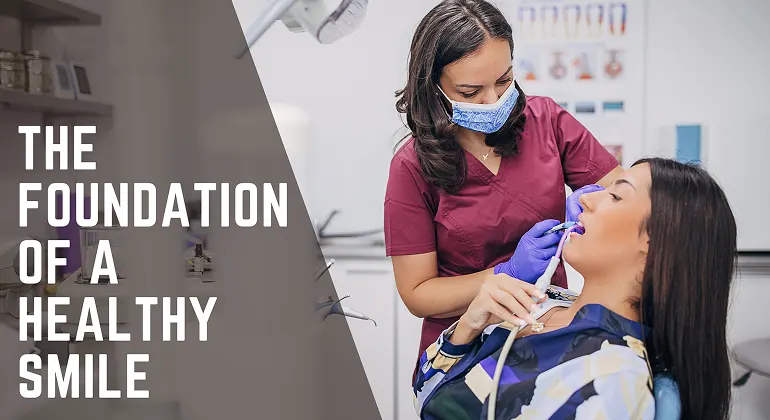
Preventative Dental Cleanings: The Foundation of a Healthy Smile

Introduction

Preventative dental care is the cornerstone of a healthy smile. Regular cleanings and exams help detect issues early and keep your teeth and gums in optimal condition for patients in Peoria & Glendale, AZ.

What Happens During a Routine Visit?

  • Professional teeth cleaning
  • Digital X-rays (as needed)
  • Comprehensive dental exam
  • Oral cancer screening
  • Personalized oral hygiene guidance

Benefits of Preventative Care

  • Prevents cavities and gum disease
  • Saves money on future treatments
  • Supports overall health
  • Maintains a bright, confident smile

Frequently Asked Questions

How often should I visit the dentist?
Most patients benefit from visits every six months, though some may require more frequent care.

Call to Action

Stay ahead of dental problems in Peoria & Glendale, AZ, schedule your routine cleaning today.

Emergency Dental Care in Arizona

Emergency Dental Care in Arizona: When Every Minute Counts

Introduction

Dental emergencies can happen when you least expect them. Prompt treatment is essential to relieve pain and prevent further complications for patients in Peoria & Glendale, AZ.

Common Dental Emergencies

  • Severe toothache
  • Knocked-out tooth
  • Broken or chipped tooth
  • Lost crown or filling
  • Dental abscess

What to Do Before Your Appointment

  • Rinse your mouth with warm water
  • Apply a cold compress to reduce swelling
  • Preserve a knocked-out tooth in milk
  • Contact our office immediately

Call to Action

Experiencing a dental emergency in Peoria & Glendale, AZ? Call us now for same-day care.

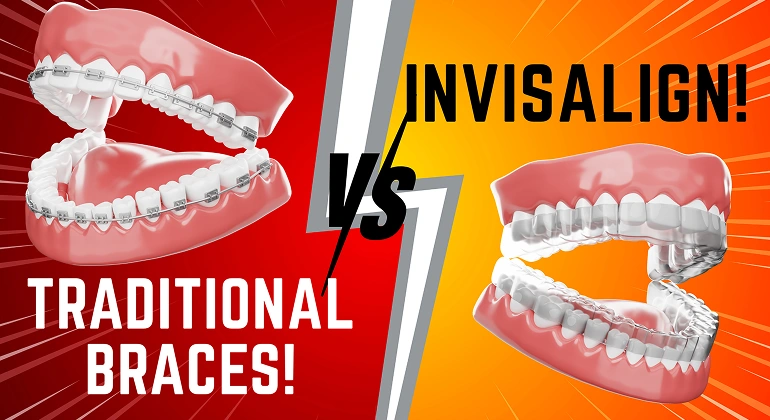
Invisalign vs. Traditional Braces

Invisalign vs. Traditional Braces: Which Is Right for You?

Introduction

Choosing between Invisalign and traditional braces depends on your dental needs, lifestyle, and personal preferences. Understanding the differences can help you make an informed decision if you’re considering treatment in Peoria & Glendale, AZ.

FeatureInvisalignTraditional Braces
AppearanceClear and discreetVisible
ComfortSmooth plasticMetal brackets
RemovabilityYesNo
Dietary RestrictionsNoneSeveral
Office VisitsFewerMore frequent


Who Is a Good Candidate?

  • Invisalign: Mild to moderate alignment issues.
  • Braces: Complex orthodontic cases.

Call to Action

Not sure which option is best? Schedule a consultation with our orthodontic experts today.
The Connection Between Oral Health and Overall Health

The Connection Between Oral Health and Overall Health

Introduction

Your oral health is closely linked to your overall well-being. Maintaining healthy teeth and gums can reduce the risk of several systemic health conditions for patients in Peoria & Glendale, AZ.

Health Conditions Linked to Oral Health

  • Heart disease
  • Diabetes
  • Pregnancy complications
  • Respiratory infections
  • Alzheimer’s disease

How to Protect Your Health

  • Brush twice daily with fluoride toothpaste
  • Floss every day
  • Maintain regular dental visits
  • Eat a balanced diet
  • Avoid tobacco products

Call to Action

Protect your smile and your health in Peoria & Glendale, AZ – schedule your dental checkup today.

Your First Visit to Our (Place office name here): What to Expect

Your First Visit to Our (Place office name here): What to Expect

Introduction

Visiting a new dentist can feel overwhelming, but our team is committed to making your experience comfortable and stress-free from the moment you arrive in Peoria & Glendale, AZ.

Step-by-Step Experience

  • Warm Welcome and Check-In
  • Comprehensive Exam and Digital X-rays
  • Professional Cleaning
  • Consultation and Personalized Treatment Plan
  • Insurance and Financing Review

Why Patients Choose Us

  • Advanced technology
  • Compassionate team
  • Flexible financing
  • Comprehensive services
  • Commitment to patient comfort

Frequently Asked Questions

What should I bring to my first appointment?
Please bring your ID, insurance information, and any previous dental records.

Call to Action

Ready to experience exceptional dental care in Peoria & Glendale, AZ? Schedule your first visit today-we look forward to meeting you!

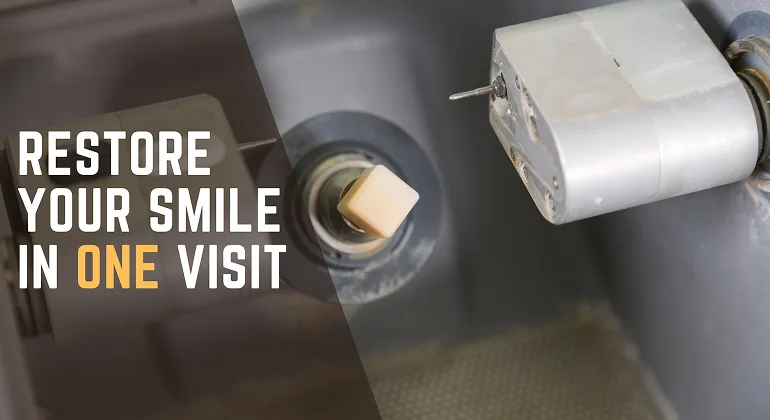
Same-Day Crowns Restore Your Smile in Just One Visit.

Same-Day Crowns: Restore Your Smile in Just One Visit

Introduction

Gone are the days of multiple appointments and temporary crowns. Same-day crowns allow you to restore your smile in a single visit using state-of-the-art technology for patients in Peoria & Glendale, AZ.

How Same-Day Crowns Work

Digital Impression
Computer-Aided Design (CAD)
On-Site Milling
Immediate Placement

Benefits

Completed in one visit
No temporary crowns
Highly precise fit
Natural appearance
Durable and long-lasting

Frequently Asked Questions

How long do same-day crowns last?
With proper care, they can last 10–15 years or longer.

Call to Action

Need a quick and reliable tooth restoration in Peoria & Glendale, AZ? Contact us today to learn more about same-day crowns.