 (623) 300-2847

If you’ve lost one or more teeth, dental implants in Peoria, AZ can restore how you eat, speak, and smile with a natural look and stable feel. You gain a permanent, bone-supporting solution that often outperforms bridges and dentures for comfort, function, and long-term oral health.
A local implant team guides you through clear, modern options, realistic timelines, and financing choices tailored to your situation. Expect a focus on comfort, predictable results, and follow-up care that helps you keep a healthy, confident smile for years.
What Are Dental Implants?
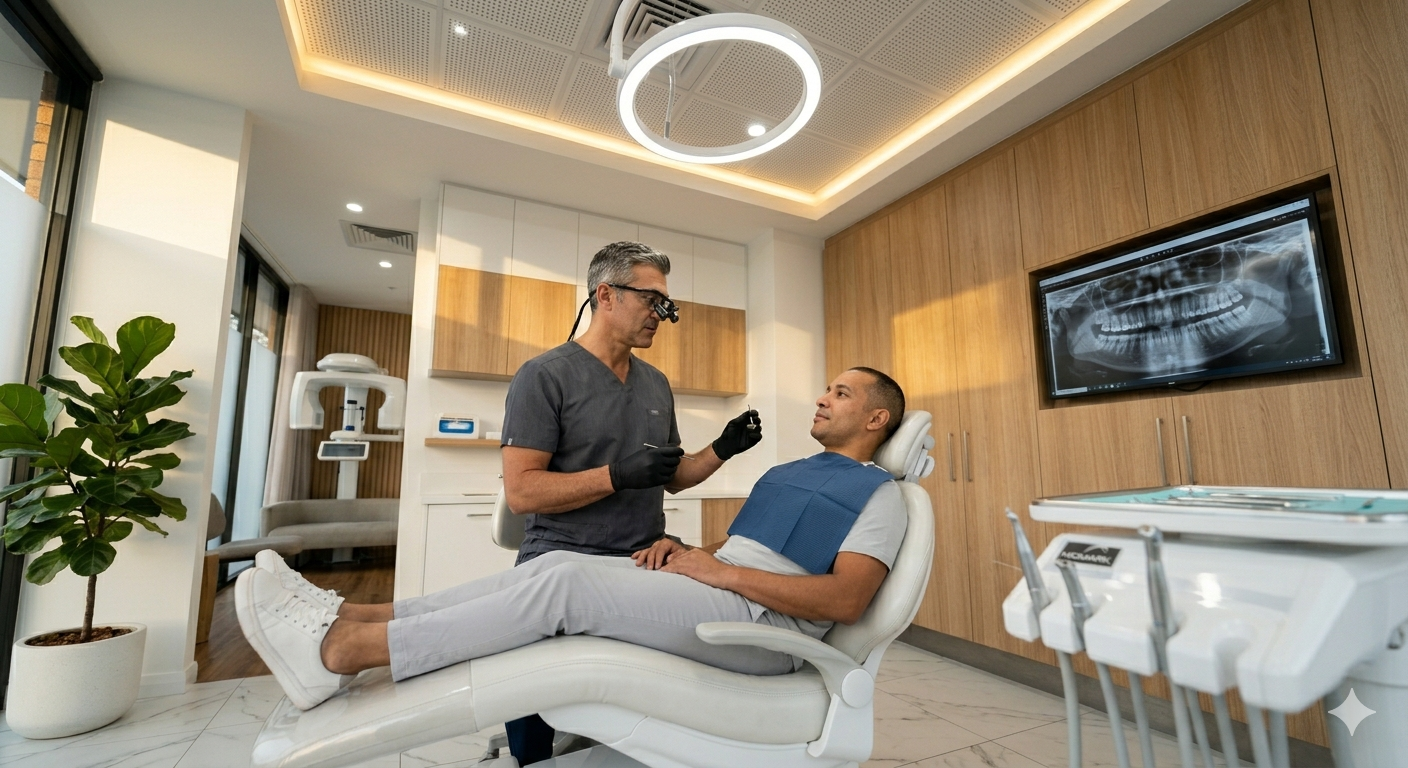
Dental implants replace missing teeth by anchoring a prosthetic tooth to the jawbone. They restore chewing, speech, and facial support while aiming for natural appearance and long-term stability.
Understanding the Modern Implant Procedure
The modern implant procedure places a titanium or zirconia post into the jawbone to act as an artificial tooth root. After an initial consultation with imaging (typically CBCT scans and intraoral photos), the dentist or oral surgeon plans implant position and size to protect adjacent teeth and vital structures like nerves and sinuses.
Surgery usually involves local anesthesia and often conscious sedation for comfort. The clinician makes a small incision, drills a guided hole, and inserts the implant with precise torque values to promote stability. A healing period of 3–6 months follows for osseointegration, during which bone fuses to the implant surface.
After integration, an abutment connects the implant to a crown, bridge, or denture. Final restorations use materials like porcelain or zirconia to match color and shape. Follow-up includes hygiene appointments and x-rays to monitor bone levels and restoration fit.
Types of Dental Implants Available
Endosteal implants are the most common type; they sit directly in the jawbone and work for single-tooth, multi-tooth, or full-arch restorations. Subperiosteal implants rest on the bone beneath the gum and suit patients with low bone height who cannot undergo grafting.
Material choices include titanium, prized for biocompatibility and extensive research, and zirconia, a metal-free alternative for allergy concerns or aesthetic preference. Restoration options vary: single crowns for one tooth, fixed bridges for adjacent missing teeth, and implant-retained overdentures for full-arch support.
Immediate-load implants let patients receive temporary crowns quickly when primary stability is sufficient. Guided surgery and digital workflows improve accuracy, reduce chair time, and produce predictable outcomes. Cost, long-term maintenance, and clinical suitability influence which option the dentist recommends.
Who Is an Ideal Candidate?
An ideal candidate has good overall health, adequate jawbone volume, and healthy gum tissue. Controlled chronic conditions—such as well-managed diabetes—or past smoking history require careful assessment but do not automatically disqualify a patient.
Sufficient bone can come from existing anatomy or be augmented with bone grafts or sinus lifts when necessary. The patient should commit to daily oral hygiene and regular dental visits because plaque control affects implant survival.
Contraindications include active untreated periodontal disease, heavy smoking without cessation plans, and certain uncontrolled systemic conditions. A thorough exam, medical history review, and 3D imaging help the clinician determine candidacy and create a personalized treatment plan.
Life-Changing Advantages for Patients
Dental implants in Peoria deliver reliable chewing function, a natural look, and clearer speech. They also protect jawbone health and reduce the need for future restorations.
Enhancing Everyday Comfort and Ease
Dental implants anchor a crown or bridge directly to the jawbone using a titanium post, so patients feel like they have natural teeth again. This stability lets them eat apples, steak, and crunchy vegetables without worrying about slipping or sore spots that often come with removable dentures.
Implants eliminate the need for messy adhesives and frequent repositioning. Patients report fewer sore gums and less irritation because implants transfer bite forces to bone rather than resting on soft tissue.
Recovery typically involves mild soreness for a few days, while most people return to normal eating within weeks. Regular follow-up with the Peoria dentist ensures the implant integrates properly and that occlusion (bite) adjustments improve comfort.
Restoring Natural Appearance
Implant-supported restorations match adjacent teeth in shape, size, and color, creating a seamless smile. Because the post stimulates the jawbone, implants reduce the ridge resorption that causes the sunken look after tooth loss.
Lab-fabricated crowns use shade mapping and digital impressions to blend with a patient’s existing teeth. This precision reduces visible gaps and makes prosthetics hard to distinguish from natural teeth in close-up photos and day-to-day interactions.
Patients often choose implants for front-tooth replacement because they maintain facial contours and support lip structure. The aesthetic result improves confidence in social and professional settings without drawing attention to a prosthesis.
Promoting Clearer Speech
Missing teeth or loose dentures commonly cause lisps, slurred consonants, or the need to over-enunciate to be understood. Implants provide fixed tooth positions, allowing the tongue to form sounds against stable surfaces—so consonants like “t,” “d,” and “s” return to normal articulation.
Because implants do not rock or shift, they remove the cause of clicking, slurring, or repeated adjustments that interrupt conversation. Patients notice clearer phone calls and less need to repeat words during meetings or social events.
Speech improvements appear quickly after the prosthesis is placed, though a short adaptation period may occur as the tongue adjusts to the new tooth shape. Speech therapists or the dental team can offer targeted exercises if minor articulation changes persist.
Longevity and Lasting Results
Dental implants provide a stable, long-term tooth replacement that preserves jawbone and function. They can prevent the shifting of adjacent teeth and maintain facial structure, reducing the need for repeated restorative work.
Durability Compared to Other Options
Implants use titanium posts anchored in bone, which fuse through osseointegration and create a fixed foundation unlike removable dentures. This direct bone support gives implants high resistance to chewing forces and reduces micro-movement that can cause wear or sore spots with dentures.
Porcelain or zirconia crowns attached to implants resist staining and typically last longer than resin-based bridge teeth. Unlike bridges, implants do not require grinding down neighboring healthy teeth, so surrounding teeth remain intact and less prone to decay or fracture due to altered load.
Success rates in modern implant dentistry commonly exceed 95% in healthy patients when placed and maintained properly. Factors that reduce longevity include uncontrolled diabetes, heavy smoking, untreated gum disease, and inadequate bone volume — all of which a dentist in Peoria, AZ will evaluate and manage.
Caring for Implants at Home
Daily oral hygiene mirrors natural teeth care: brush twice with a soft-bristled brush and use low-abrasive toothpaste to protect prosthetic surfaces. Flossing once daily with implant-specific floss or interdental brushes removes plaque around the crown-abutment junction where peri-implantitis can begin.
Avoid chewing ice, hard candy, or non-food items to reduce risk of crown fracture. If the patient grinds teeth, a custom nightguard protects implant restorations and natural teeth from excessive force.
Regular professional checkups every 3–12 months allow early detection of inflammation, loose components, or crown wear. The dental team will monitor bone levels via periodic x-rays and recommend targeted cleaning tools or antimicrobial rinses when needed.
Oral Health Improvements
Dental implants restore chewing function, preserve facial structure, and protect adjacent teeth by replacing missing roots with titanium posts. These changes reduce long-term dental costs and lower the risk of complications from untreated tooth loss.
Protecting Your Jawbone
When a tooth is lost, the jawbone beneath loses the stimulation that keeps it healthy. An implant mimics a natural tooth root and delivers mechanical stimulation to the alveolar bone during chewing, which slows or halts bone resorption.
Implants integrate with bone through osseointegration, creating a stable, load-bearing connection that preserves bone height and width. This stability helps maintain the contours of the face and prevents the sunken appearance common after multiple extractions.
For patients in Peoria, AZ, preserving bone also simplifies future dental work. Maintaining bone volume reduces the need for bone grafting when additional implants or restorations are considered.
Preventing Shifting Teeth
A vacant tooth socket allows neighboring teeth to drift into the open space, which creates gaps, misalignment, and bite changes. An implant fills that space permanently, preventing adjacent teeth from tilting or migrating.
Preventing shifting maintains proper occlusion (how teeth meet) and reduces uneven wear on remaining teeth. That lowers the risk of fractures, root exposure, and the need for orthodontic treatment later.
Dental implants provide a fixed solution compared with removable partials, which can still allow micro-movement and gradual tooth movement. For many patients, implants preserve long-term dental stability and simplify daily oral hygiene.
The Treatment Experience in Peoria, AZ
Patients can expect a clear plan, comfortable facilities, and modern technology from consultation through restoration. Teams in Peoria focus on individualized timelines, pain control, and communication so each step proceeds predictably.
What to Expect During Your Visit
A new-patient visit typically begins with digital imaging — cone beam CT scans and panoramic X-rays — to map jawbone volume and nerve locations precisely. The clinician reviews images with the patient, explains implant placement options (single, multiple, or full-arch), and outlines a timeline: extraction (if needed), healing, implant placement, osseointegration (3–6 months), and final restoration.
Clinics provide written treatment plans showing costs, insurance estimates, and financing options. Patients receive pre- and post-op instructions by email and a staff contact for questions. Appointments run 45–90 minutes for surgical visits; follow-ups are shorter. Infection control, local anesthesia, and sterile techniques follow American Dental Association standards.
Patient Comfort and Sedation Options
Most implant procedures use local anesthesia to numb the site, allowing patients to remain awake and comfortable. For anxiety or longer cases, clinics offer oral sedatives (triazolam or similar) or nitrous oxide for lighter relaxation; qualified dentists or an anesthesiologist administer IV sedation for deep sedation when indicated.
Practices describe sedation choices during consultation and require a medical history review and escort home for moderate-to-deep sedation. Pain control after surgery typically includes short courses of NSAIDs or prescribed analgesics, cold packs, and soft-food recommendations. Staff follow up within 24–48 hours to assess healing and address any concerns.
Costs and Financing Solutions
Dental implant costs in Peoria vary by the number of implants, bone grafting needs, and the type of restoration used. Patients should expect clear itemized estimates and options to spread payments rather than a single large bill.
Understanding the Investment
Implant treatment in Peoria typically ranges from about $2,000 to $4,000 per single implant and abutment, with crown fees adding $800–$2,000 depending on material. Full-arch restorations and additional procedures such as sinus lifts or bone grafts increase cost; a full-arch implant-supported bridge often falls between $15,000 and $40,000 per arch.
Long-term value matters: implants replace tooth roots, prevent bone loss, and often last decades with proper care. Patients should ask the practice for an itemized quote showing surgical fees, prosthetic fees, imaging (CBCT), and follow-up. Comparing the total lifetime cost to alternatives (bridges, dentures, frequent repairs) helps clarify value.
Flexible Payment Plans
Many Peoria practices offer financing through third-party lenders like CareCredit, LendingUSA, or in-house payment plans that split costs into 6–60 month terms. Typical options include zero- or low-interest promotional periods and fixed-interest plans; patients should compare APR, monthly payment, and penalties for late payment.
Insurance may cover part of implant-related treatment, often the crown portion rather than surgery; patients should request pre-treatment estimates submitted to their insurer. Clinics frequently provide a written financial agreement and can assist with insurance claims, HSA/FSA usage, and documentation for tax-advantaged accounts.
Personalized Care from Peoria Dental Experts
Patients in Peoria receive care tailored to their needs, preferences, and medical history. The dental team reviews X-rays, oral scans, and health records to design implant plans that match each mouth precisely.
The clinic uses advanced imaging and guided surgery when appropriate. That approach reduces chair time and increases accuracy, which helps patients feel more confident about the procedure.
Dentists explain options in plain language and outline realistic timelines. They discuss costs, insurance, and any financing so patients understand the financial side before treatment begins.
Comfort and anxiety management are part of the plan. Options may include local anesthesia, sedation, and step-by-step explanations so people feel calm and informed throughout every visit.
After implant placement, the practice provides clear aftercare instructions and scheduled follow-ups. Regular monitoring and hygiene support protect the implant and the surrounding teeth for lasting results.
Benefits are presented in relatable terms: improved chewing, clearer speech, and a natural look that fits a patient’s face. The team also emphasizes preventive care to maintain implants and overall oral health.
A friendly consultation lets patients ask questions and see treatment options up close. They can call or book an appointment to discuss personalized implant care with a Peoria dental expert.
Next Steps Toward Your Healthier Smile
They should schedule a consultation with a qualified Peoria dentist to review medical history and get a personalized treatment plan. This visit often includes a dental exam, X-rays, and a discussion of implant options that fit lifestyle and budget.
The team will explain timelines, costs, and financing choices in clear terms. Patients can expect answers about sedation, healing time, and how implants compare to bridges or dentures.
Prepare questions in advance to make the appointment productive. Suggested topics: implant lifespan, maintenance routine, dietary adjustments during healing, and any warranty or follow-up care.
Many practices offer a simple checklist to bring to the first visit:
- Photo ID and insurance card
- List of current medications
- Notes on oral health goals and concerns
- Recent dental records, if available
They should ask about patient comfort measures like sedation or a trial restoration. Modern techniques reduce discomfort and speed recovery, but individual needs vary.
To move forward, call the Peoria office or book online to reserve a consultation slot. Staff can confirm pre-visit instructions and help with insurance or financing questions.
Frequently Asked Questions
This section answers common patient concerns about chewing, appearance, bone health, comfort, the treatment process, and long-term care for dental implants in Peoria, AZ. Each answer focuses on practical outcomes, typical timelines, and what patients can expect before, during, and after treatment.
How can implants help me chew more comfortably and enjoy the foods I’ve been avoiding?
Dental implants anchor a replacement tooth directly into the jawbone, restoring biting force close to a natural tooth. Patients often report being able to eat harder foods like apples or steak without slipping or pain.
Implants eliminate the rocking and rubbing common with removable dentures. That stability reduces sore spots and lets patients chew evenly, which improves digestion and meal satisfaction.
Will my new tooth look and feel natural, or will it be noticeable when I smile and talk?
Implant crowns are custom-made to match the color, shape, and size of adjacent teeth for a seamless appearance. Skilled technicians and dentists in Peoria shade-match and contour crowns so they blend in under normal lighting.
Because the implant sits like a real tooth root, it preserves gum contours and feels more like a natural tooth than many alternatives. Most patients say others do not notice the implant unless told.
Do implants help prevent bone loss and changes in face shape after a tooth is missing?
Yes. The implant’s titanium post stimulates the jawbone similarly to a natural tooth root, which slows or prevents the bone resorption that follows tooth loss. Maintaining bone height helps preserve the lower face shape and supports adjacent teeth.
Early placement after extraction delivers the best bone-preserving benefit, but implants can still reduce further loss even years after a tooth is lost.
How do dental implants compare to a bridge or denture when it comes to comfort and long-term value?
Implants replace the tooth root, so they usually feel more stable and natural than dentures and do not require grinding down adjacent teeth like a traditional bridge. That difference often leads to better oral health and longer-term savings.
Initial implant cost can be higher, but implants commonly last decades with proper care, while bridges and dentures may need more frequent repairs or replacement. Many patients find implants represent better long-term value for function and maintenance.
What does the implant process usually feel like, and how is discomfort managed along the way?
The surgical placement of an implant is performed with local anesthesia and often conscious sedation when needed; patients typically feel pressure but minimal pain during the procedure. After surgery most people experience mild to moderate soreness for a few days, managed with over-the-counter pain relievers and antibiotics when prescribed.
Follow-up visits monitor healing and the placement of the final crown, and clinicians provide clear aftercare instructions to minimize swelling and infection risk. Peoria practices emphasize patient comfort throughout, offering techniques and medications tailored to anxiety and pain control.
How long do dental implants typically last, and what daily care helps protect them?
With good oral hygiene—brushing twice daily, flossing around the implant, and regular professional cleanings—implants commonly last 15–30 years or longer. Lifespan depends on factors like smoking, uncontrolled diabetes, and routine maintenance.
Patients should use a nonabrasive toothpaste, interdental brushes for tight spaces, and attend check-ups every 4–12 months as recommended. Promptly addressing gum inflammation and following the dentist’s care plan helps protect the implant and surrounding bone.
Questions about candidacy, cost estimates, or a treatment timeline can be addressed during a consultation at a Peoria dental office. They welcome inquiries and can create a personalized plan based on medical history and oral goals.