 (623) 300-2847
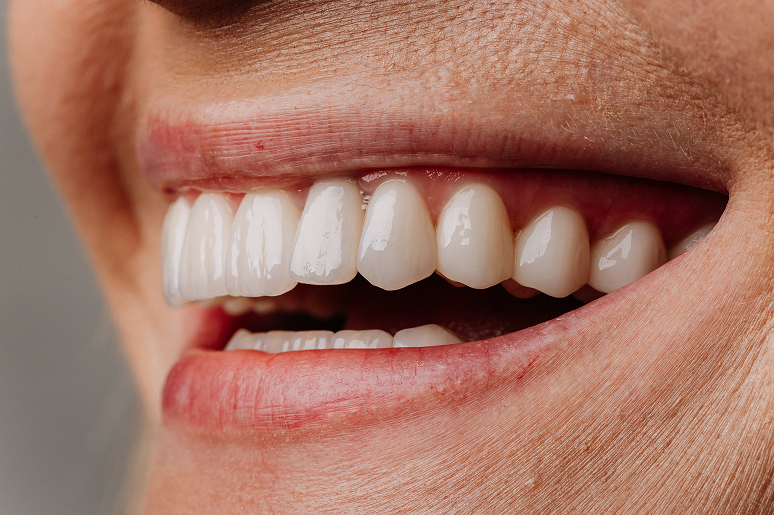
You’ll find a family dentist in Peoria, AZ who treats every age with gentle expertise and modern care, making routine visits simple and effective. A local family dentist can handle preventive cleanings, fillings, braces, and emergency care for children through seniors—so your whole household gets coordinated care under one roof.
They focus on comfort and clear communication, using updated technology and patient-friendly explanations to ease anxiety and speed recovery. Expect tips on prevention, early intervention for growing smiles, and practical steps to keep teeth healthy between visits.
Comprehensive Family Dental Services
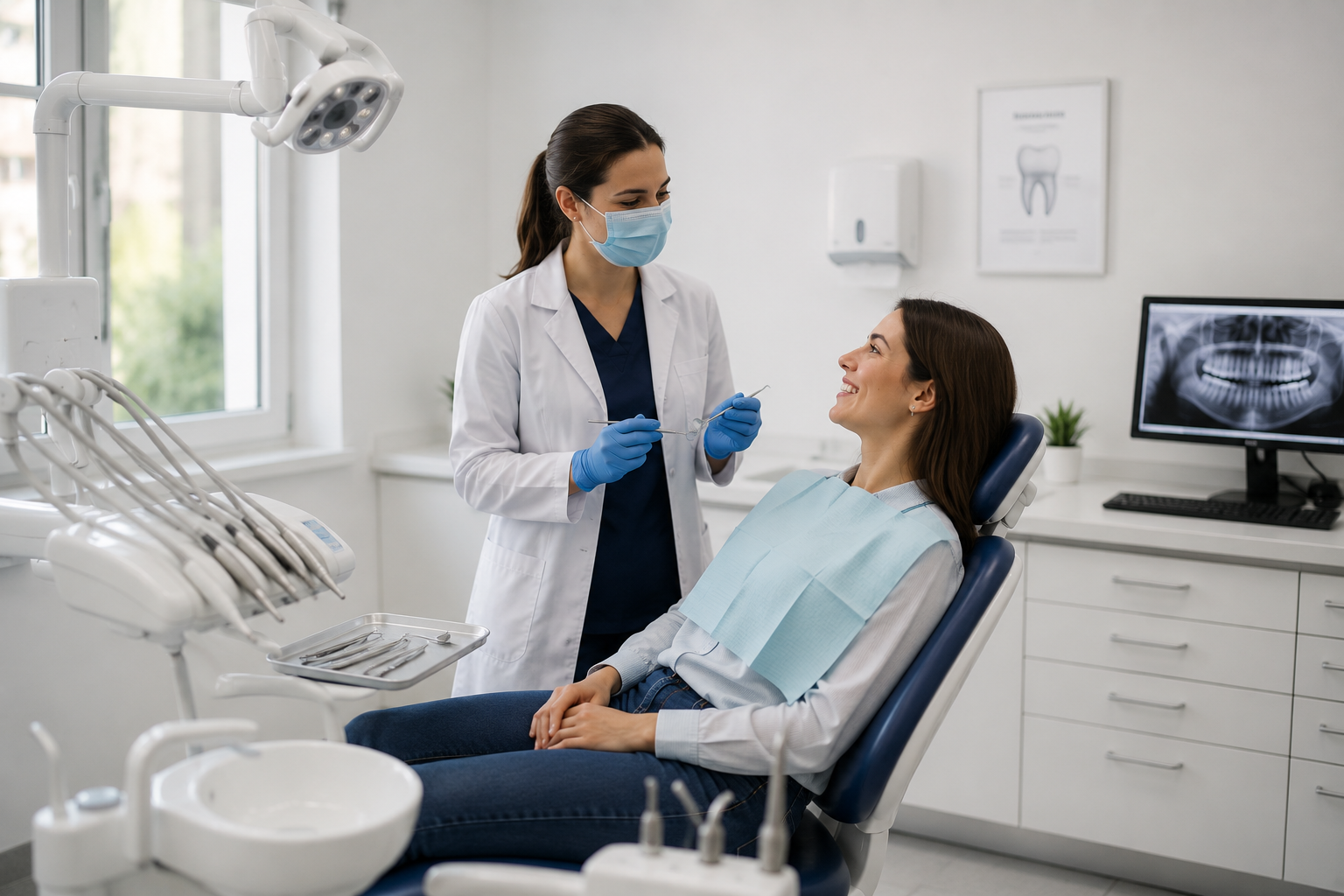
This practice provides preventive exams, age-appropriate restorative care, and cosmetic options to keep every family member healthy and confident. Appointments focus on comfort, practical education, and treatments that fit busy family schedules.
Preventive Care and Regular Check-Ups
They schedule routine exams and cleanings every six months, with fluoride varnish for children and topical treatments for adults when indicated. The team performs oral cancer screenings, periodontal charting, and digital X-rays to catch issues early while minimizing radiation exposure.
Hygiene visits include plaque and tartar removal, personalized brushing and flossing coaching, and risk assessments for cavities. For children, they use bitewing X-rays only as needed and apply sealants to molars to prevent decay. For patients with gum disease, they offer scaling and root planing and ongoing maintenance intervals tailored to disease severity.
The office emphasizes at-home care with clear, specific recommendations: toothpaste type, interdental tools, and dietary tips to reduce sugar exposure. They also coordinate with pediatricians or specialists when medical conditions affect oral health, ensuring continuity of care across providers.
Restorative Treatments for All Ages
They repair cavities using tooth-colored composite fillings and place crowns made from zirconia or porcelain-fused-to-metal for durability and natural appearance. For extensive decay or fractures, the practice offers onlays and full-coverage crowns with same-day CAD/CAM milling in many cases.
Root canal therapy saves infected teeth, employing modern rotary instruments and biocompatible sealers to reduce appointments and discomfort. For missing teeth, options include implant-supported crowns, fixed bridges, and removable partial dentures; the team discusses costs, timelines, and maintenance clearly.
Pediatric restorative care uses behavior management and nitrous oxide when appropriate to ease anxiety. The practice provides periodontal treatment for adults: non-surgical therapy, localized antibiotic delivery, and referral for surgical care when needed.
Cosmetic Dentistry Solutions
They offer professional whitening—both take-home trays and in-office light-accelerated sessions—to brighten smiles safely while managing sensitivity. Porcelain veneers correct chips, gaps, and discoloration; the dentist shows digital mock-ups so patients preview expected results.
Composite bonding provides a conservative, same-day fix for minor defects, and Invisalign clear aligners straighten teeth discreetly with predictable staging. For full-mouth aesthetic changes, the office develops phased treatment plans that balance function, appearance, and budget.
The team discusses longevity, maintenance, and potential trade-offs for each cosmetic choice. They prioritize conservative options first and recommend procedures that protect tooth structure while improving confidence and oral health.
Patient-Focused Care for Every Stage of Life
This practice prioritizes comfort, clear explanations, and evidence-based treatment plans matched to each age group. Patients receive preventive strategies, targeted treatments, and scheduling flexibility to fit family routines.
Pediatric Dentistry Approaches
They create a welcoming first-visit experience that reduces anxiety and builds trust for children as young as 1 year. Appointments emphasize gentle behavior guidance, short explanations in child-friendly language, and positive reinforcement to foster lifelong good habits.
Preventive care includes age-appropriate fluoride treatments, dental sealants on first and second molars, and personalized brushing/flossing coaching for parents. The team screens for early signs of decay and for developmental issues such as malocclusion or thumb-sucking effects, referring to pediatric orthodontists when needed.
Nutrition counseling focuses on limiting frequency of sugary drinks and promoting tooth-friendly snacks. When restorations are necessary, they prefer conservative, biocompatible materials and use local anesthetic or sedation options tailored to the child’s medical history and anxiety level.
Adult Oral Health Needs
They assess periodontal health, occlusion, and aesthetic concerns at routine visits and design individualized maintenance plans. Adults get scaling and root planing for gum disease, composite fillings, and same-day crown options when indicated.
Risk-based preventive measures include prescription-strength fluoride for patients with dry mouth or heavy decay risk, and bite guards for bruxism. Cosmetic services—teeth whitening, porcelain veneers, and conservative bonding—are presented with clear cost and longevity expectations.
For restorative cases, they explain implant-supported crowns versus bridges, showing timelines, success rates, and care requirements. Scheduling flexibility, evening appointments, and digital charting streamline care for working adults.
Senior Dental Wellness
They focus on preserving function, comfort, and nutrition as teeth age or are lost. Care plans address root decay, receding gums, and denture fit, with regular oral cancer screenings and saliva assessments for dry mouth caused by common medications.
Treatment options include maintenance of remaining natural teeth with targeted periodontal therapy, implant-retained dentures for improved chewing, and soft-line relines for full dentures to reduce sore spots. The team coordinates with physicians when systemic conditions like diabetes or osteoporosis affect oral care.
Medication reviews and simplified home-care regimens help seniors manage dry mouth and dexterity challenges. They offer caregiver instructions, at-home fluoride trays when needed, and periodic home visits or transport assistance referrals to ensure consistent preventive care.
Creating a Comfortable Dental Experience
Patients find calm through clear communication, small comforts, and predictable care routines that reduce fear and uncertainty. Practical tools like pre-visit checklists, noise-cancelling headphones, and step-by-step explanations make visits feel manageable.
Gentle Techniques for Anxious Patients
The practice uses proven pain-minimizing approaches tailored to each patient’s anxiety level. Staff begin with a brief verbal check-in to identify triggers, then offer options such as topical anesthetic, short-acting local anesthetic, or numbing gel before injections to reduce initial discomfort.
They employ distraction methods like noise-cancelling headphones and operatory TVs to shift focus during procedures. For patients with severe fear, the office provides nitrous oxide with continuous monitoring and IV or oral sedation referrals when medically appropriate.
Clinicians break longer procedures into shorter, scheduled appointments when possible to limit fatigue and stress. They document patient preferences—preferred hand signals, music choices, and pacing—so every visit follows a familiar, personalized routine.
Modern Amenities for Stress-Free Visits
The clinic invests in equipment that shortens appointments and improves comfort. Digital X-rays cut imaging time and radiation exposure, while intraoral cameras let patients see issues on-screen for clearer explanations and quicker consent.
Operatories include ergonomic chairs, adjustable lighting, and lumbar support for comfort during longer treatments. Reception areas provide water, warm blankets, and child-friendly play corners to ease wait times for families.
Administrative conveniences reduce friction before treatment. Online appointment booking, automated reminders, and streamlined insurance estimates minimize surprises. Clear financial options, including payment plans and transparent pricing, help patients focus on care rather than costs.
The Importance of Early Intervention and Preventive Education
Early visits set the stage for lifelong oral health. They let the dentist spot developing issues—like misaligned teeth or early decay—before they become complex and costly to treat.
Preventive education helps families adopt simple habits that reduce problems. Staff teach practical steps: daily brushing with fluoride toothpaste, flossing technique, and limiting sugary drinks.
Children benefit from age‑appropriate guidance and positive reinforcement. A friendly exam can turn fear into routine, and sealants or fluoride treatments offer added protection when risk is higher.
Adults also gain from early attention to wear, gum health, and bite changes. Addressing small concerns now avoids the need for extensive restorative work later.
Practical takeaways:
- Schedule first dental visits early, around the eruption of baby teeth.
- Maintain twice‑daily brushing and daily flossing.
- Discuss sealants and fluoride with the dentist for added prevention.
The practice emphasizes comfort and clear explanations during preventive visits. They encourage families to ask questions and to book a consultation for personalized advice.
Advanced Technology and Modern Treatment Methods
The practice emphasizes patient comfort and precise diagnosis while reducing treatment time and radiation exposure. It uses digital tools and minimally invasive techniques to preserve tooth structure and speed recovery.
Digital X-Rays and Imaging
Digital X-rays cut radiation by up to 80% compared with traditional film and deliver images instantly on a chairside monitor. Dentists in Peoria use intraoral sensors and panoramic digital imaging to detect cavities between teeth, evaluate bone level for periodontal concerns, and plan implants with clear, zoomable images.
They often incorporate CBCT (cone beam computed tomography) for complex cases such as implant placement or assessing impacted teeth. CBCT produces a 3D view of the jaw and sinuses, allowing precise measurements for implant length and angulation and reducing surgical surprises.
Digital files make referrals and treatment planning more efficient. Patients can view images during the exam, which helps them understand diagnoses and treatment options. The clinic stores images securely and can transmit them to specialists when coordinated care is needed.
Minimally Invasive Procedures
Minimally invasive dentistry focuses on removing as little healthy tooth structure as possible while treating disease effectively. For cavities, the practice uses air abrasion and adhesive composite restorations that bond to tooth enamel, preserving more natural tooth than traditional drilling and large amalgam fillings.
For periodontal care, they offer non-surgical therapies like ultrasonic scaling, localized antibiotic placement, and laser-assisted procedures to reduce pocket depth and promote gum reattachment. These approaches minimize discomfort and shorten healing time compared with more invasive surgery.
When restoring teeth, dentists prefer bonded ceramic onlays and crowns made with CAD/CAM milling for same-day restorations. This workflow reduces temporaries and additional appointments while providing precise fits and durable results. Patients receive local anesthesia, comfort measures, and clear post-op instructions to improve recovery and satisfaction.
Community Engagement and Local Involvement
The dental team participates regularly in Peoria health fairs and school screenings to make dental care approachable for families. They offer age-appropriate education and simple tips that parents can use at home.
They sponsor local youth sports and community events to support healthy habits beyond the clinic. Participation includes free dental kits, on-site fluoride information, and short talks about injury prevention.
The practice partners with nearby schools and senior centers for targeted programs. These partnerships include preventive care workshops, denture maintenance guidance, and referrals to low-cost services when needed.
They volunteer at city charity drives and collaborate with local nonprofits to expand access to care. Coordination focuses on preventive services and connecting residents to affordable dental resources.
Services often include community-oriented promotions like free screening days and discounted cleanings for new community members. These events emphasize preventive care and early treatment to reduce future costs and complications.
Bolded offerings give quick clarity:
- School dental screenings
- Senior oral care workshops
- Free community screening days
- Youth sports sponsorships
The practice encourages residents to attend events and ask questions. They invite readers to call or visit the clinic’s events page to learn about upcoming opportunities and schedule a consultation.
Taking the Next Step Toward Healthy Smiles
Patients learn that scheduling a visit is the most important step toward preventing small problems from becoming bigger ones. A quick checkup and cleaning can catch decay early, protect gums, and keep X-rays up to date so treatment stays minimally invasive.
They find comfort in knowing modern options like gentle sedation, digital imaging, and same-day restorations reduce time and anxiety. These tools let the dentist diagnose precisely and often fix issues in fewer visits.
Consider these simple next steps to make care straightforward and stress-free:
- Call the office to ask about new-patient appointments and insurance handling.
- Bring a list of current medications and any dental concerns.
- Ask about financing, sedation, or treatment timelines if time or cost is a worry.
The office staff helps by explaining each step and tailoring care to families, from toddlers to grandparents. They emphasize preventive visits and create plans that fit busy schedules and budgets.
Patients appreciate practical tips they can use at home, like timing brushing to two minutes and using floss picks if traditional floss is difficult. Small daily habits combined with regular dental visits keep smiles healthier and treatments simpler.
They get reassurance by seeing individualized treatment plans and clear estimates before any work begins. Call or message the practice to ask questions, request an appointment, or discuss comfort options.
Frequently Asked Questions
This section covers practical points families ask about: choosing a dentist for all ages, what happens at a new-patient visit, scheduling intervals for cleanings, options for anxiety or sensitivity, cosmetic treatments that work well, and when to seek same-day care for pain or damage.
How do I choose a dentist that’s a good fit for my whole family, including kids and teens?
Look for a practice that lists family dentistry and pediatric experience on its website and uses modern, kid-friendly equipment.
Check office hours that match school and work schedules, and confirm they accept your insurance or offer clear payment options.
Read online reviews from parents and ask about the team’s approach to teenagers — many offices offer preventive sealants, growth monitoring, and orthodontic referrals.
Tour the office if possible to see the waiting area, treatment rooms, and whether staff put children at ease.
What should I expect during a new patient exam and dental cleaning, and how can I stay comfortable?
A new patient visit typically includes a medical and dental history review, digital X-rays when needed, a professional cleaning, and a thorough oral exam.
The hygienist will remove plaque and tartar, polish teeth, and discuss home care; the dentist will check for cavities, gum disease, and signs of wear.
To stay comfortable, request topical numbing gel for sensitive gums, bring headphones to mask sounds, and tell staff about any anxiety or gag reflex so they can adjust the pace and explain steps.
Many offices offer gentle techniques, flavored pastes, and sedation options if needed.
How often should my family schedule checkups and cleanings to prevent cavities and gum problems?
Most patients do well with checkups and cleanings every six months to maintain cavity prevention and gum health.
Children with developing teeth or patients with previous gum disease may need appointments every three to four months.
The dentist will recommend a personalized recall interval based on decay history, gum measurements, saliva flow, and diet.
Follow those tailored intervals to reduce the chance of more invasive treatment later.
What are the most comfortable options for treating dental anxiety or sensitive teeth during visits?
For mild anxiety, offices often use calming communication, breaks, and nitrous oxide (laughing gas) for rapid relief and quick recovery.
Topical anesthetics and local anesthesia handle sensitivity during procedures; ask for gel or spray before injections.
For moderate-to-severe anxiety, oral sedatives or IV sedation (in appropriately equipped clinics) provide deeper relaxation under professional monitoring.
Desensitizing toothpaste, fluoride varnish, and gentle technique reduce sensitivity for routine cleanings.
What cosmetic dentistry treatments can brighten my smile, and how do I know which option is right for me?
In-office whitening delivers quick, noticeable brightening in a single visit; take-home trays provide gradual results with custom fit.
Porcelain veneers or composite bonding address shape, chips, and stained teeth that whitening won’t fix.
A cosmetic consultation evaluates tooth color, enamel condition, bite, and long-term goals to recommend whitening, bonding, veneers, or orthodontics.
Ask for before-and-after photos and a digital mockup when available to preview likely results.
When should I see a dentist for a toothache or chipped tooth, and what are my same-day care options?
Seek care promptly for persistent pain, swelling, fever, or a tooth that’s loose, cracked through, or has exposed nerve — these can be signs of infection.
Many family dental offices reserve same-day or emergency appointments for pain, trauma, and severe swelling.
Same-day treatments may include temporary pain control, antibiotics if infection is present, temporary or permanent fillings, root canal therapy referral, or tooth bonding/splinting for fractures.
Call the office right away to describe symptoms; staff will advise whether to come in immediately or provide interim home care steps.