 (623) 300-2847
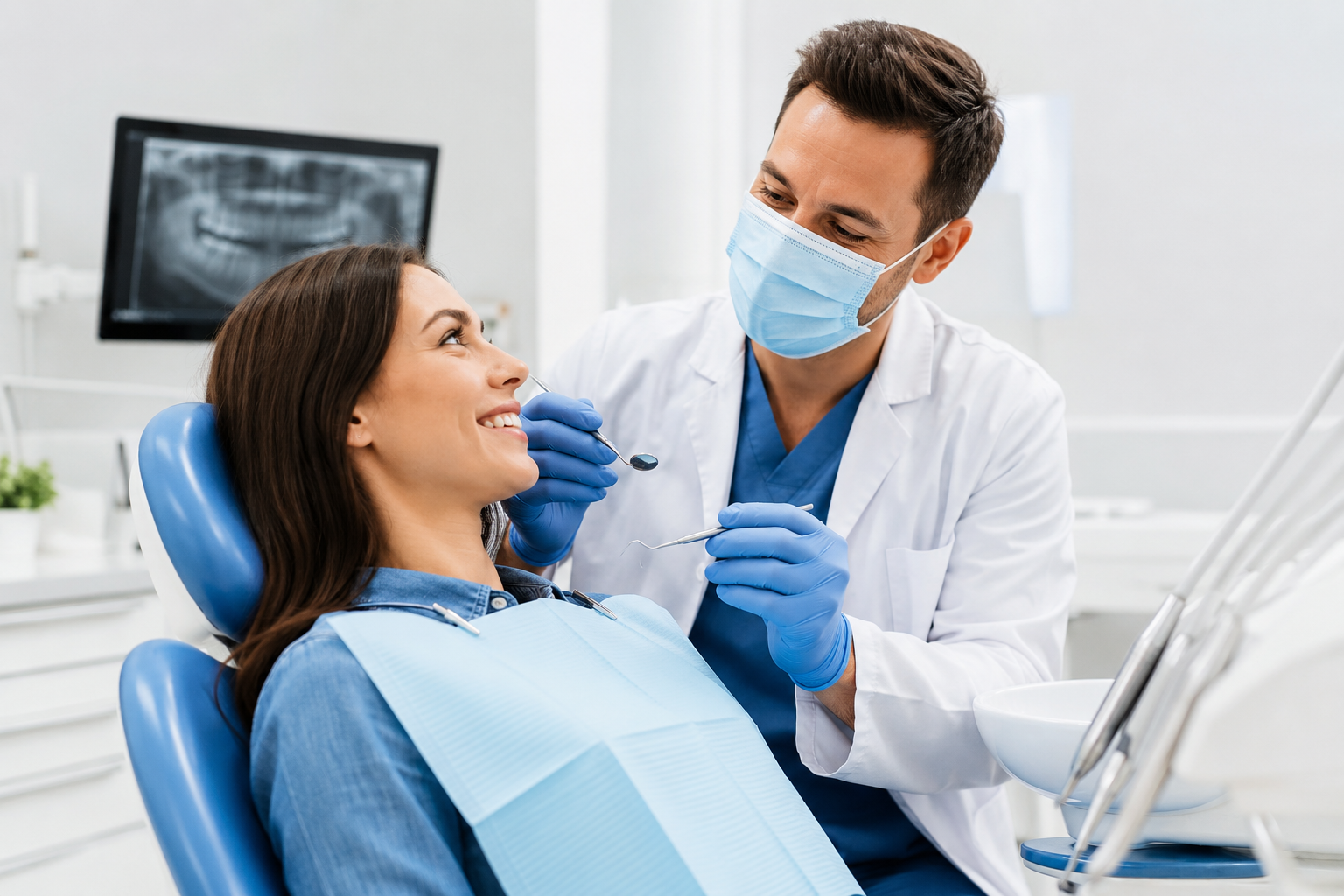
Deciding between veneers and crowns in Peoria, AZ affects how your smile looks, how much tooth structure stays intact, and how long the restoration lasts. Veneers often suit people seeking cosmetic improvement with minimal removal of natural tooth, while crowns better restore teeth with significant damage or decay.
A friendly Peoria dentist will explain what each option involves, who makes a good candidate, what the appointment process feels like, and what results to expect over time. Expect clear comparisons of cost, maintenance, and local payment options so you can weigh comfort, appearance, and longevity before booking a consultation.
Understanding Cosmetic Dental Solutions
Patients often weigh durability, appearance, tooth preservation, and cost when choosing between treatments. Both options improve smiles, but they differ in preparation, materials, and ideal uses.
What Are Dental Veneers?
Dental veneers are thin shells, usually porcelain or composite resin, bonded to the front of teeth to change color, shape, or minor alignment. Porcelain veneers resist staining and mimic enamel translucency; composite veneers cost less and can often be placed in a single visit.
Veneer preparation typically removes a small amount of enamel—about 0.3–0.7 mm—so the final tooth thickness looks natural. They work best for front teeth with cosmetic issues: chips, gaps, discoloration, or slightly uneven edges.
Maintenance requires good oral hygiene and avoiding hard bites on the veneers. Lifespan varies: porcelain commonly lasts 10–15 years; composites generally last 5–7 years. Patients should expect periodic checkups and possible replacement over time.
Defining Dental Crowns
A dental crown covers the entire visible tooth above the gumline, restoring strength, shape, and function. Crowns use materials such as porcelain-fused-to-metal, all-ceramic, or zirconia; zirconia offers high strength and good esthetics for back teeth.
Crowns require more tooth reduction—often 1–2 mm circumferentially—to fit the restoration properly. Dentists recommend crowns for teeth with large fillings, root canal-treated teeth, fractures, or significant wear that compromise structure.
Crowns provide robust protection and can last 10–20 years with proper care. Patients should avoid chewing very hard objects and maintain routine dental visits. A crown also helps redistribute biting forces to prevent further damage.
Key Differences Between Veneers and Crowns
Purpose and coverage differ: veneers cover only the tooth front; crowns encase the entire tooth. Veneers prioritize cosmetic change with minimal reduction; crowns prioritize structural support and full-protection.
Preparation depth affects tooth preservation: veneers remove less enamel, preserving more natural tooth; crowns require greater reduction, which can be necessary for heavily damaged teeth. Material choice shifts by need—porcelain veneers for esthetics, zirconia or PFM crowns for strength.
Typical indications separate them clearly:
- Veneers: visible cosmetic flaws, minor chips, staining, small gaps.
- Crowns: large restorations, root canal teeth, cracked or weakened teeth.
Cost, longevity, and reparability vary: crowns often cost more upfront but offer greater durability for compromised teeth. Veneers may be less invasive and more esthetic for purely cosmetic goals. Dentists recommend treatment based on clinical examination, bite analysis, and long-term prognosis to match patient priorities.
Ideal Candidates for Each Treatment
Veneers suit patients wanting cosmetic changes to front teeth with minimal structural damage, while crowns fit those needing full-tooth strength or repair after decay or trauma. Both options require healthy gums and a committed home-care routine.
Who Benefits Most From Veneers?
Veneers work best for people with mainly cosmetic concerns on visible front teeth. Candidates commonly have chips, small gaps, mild-to-moderate discoloration that doesn’t respond well to whitening, or slightly misshapen teeth.
They should have intact tooth structure—no large fillings or root canal-treated fronts—because veneers bond to healthy enamel for long-lasting results.
Patients must maintain good oral hygiene and avoid heavy tooth grinding; a bruxism guard may be recommended if clenching is present.
Ideal veneer candidates prioritize a conservative approach and want a natural, uniform smile without altering bite mechanics.
During consultation, the dentist evaluates enamel thickness, bite alignment, and smile proportions to confirm veneers will deliver the expected aesthetic outcome.
Best Fit for Dental Crowns
Crowns are recommended when a tooth needs full-coverage protection or structural rebuilding. Typical candidates include those with large cavities, fractured teeth, heavily restored teeth, or after root canal therapy.
Crowns restore chewing function and distribute bite forces across the remaining tooth, which reduces fracture risk.
Patients with weakened molars from wear, large fillings, or significant loss of tooth structure benefit most from crowns.
Material choice (porcelain-fused-to-metal, all-ceramic, zirconia) depends on strength needs and aesthetic priorities; molars usually favor stronger materials while front teeth may use highly esthetic ceramics.
The dentist assesses remaining tooth structure, occlusion, and opposing dentition to select crown type and to determine if a post or core buildup is required.
Peoria Patient Profiles
In Peoria, patients often seek treatment balancing esthetics with durability due to active lifestyles and social visibility. Many adults aged 30–65 request veneers for smile makeovers, especially for front-tooth discoloration or minor shape corrections.
Older adults and those with prior large restorations or history of dental trauma frequently need crowns for lasting function.
Patients with bruxism—common among busy professionals—may require crowns for posterior teeth plus night guards to protect restorations.
Cost, insurance coverage, and appointment availability at local Peoria practices influence decisions; dentists typically present both immediate and long-term care plans so patients choose the option matching their goals and budget.
They encourage scheduling a consultation to review X-rays, bite analysis, and shade matching to tailor the treatment plan.
Treatment Experience and Procedure Steps
This section explains how appointments typically unfold, what comfort measures patients receive, and the usual timelines for veneers and crowns in Peoria, AZ. It emphasizes predictable steps, common sensations, and practical timelines so patients know what to expect.
What to Expect During Your Appointment
The visit begins with a focused exam and digital imaging. The dentist reviews X-rays or intraoral scans, confirms bite relationships, and photographs teeth for shade matching.
For veneers, the clinician removes about 0.3–0.7 mm of enamel per tooth to create space. Local anesthetic is often used for sensitive patients. Impressions or a digital scan capture the prepared teeth for the lab-made veneers.
For crowns, preparation usually removes more tooth structure—often 1–2 mm circumferentially—to create room for the restoration. A temporary crown is placed when the lab makes the permanent one. The final seating visit includes fit checks, bite adjustments, and polishing.
Each appointment lasts 60–120 minutes depending on the number of teeth treated and complexity. Staff review aftercare, show temporary restoration care, and schedule the final cementation or delivery.
Comfort Measures and Pain Management
Clinics in Peoria commonly use topical anesthetic before injections and modern local anesthetics for numbness. Most patients report pressure but little to no sharp pain during preparation.
For anxious patients, dentists offer nitrous oxide (laughing gas) or oral sedatives on request. Post-procedure soreness is manageable with over-the-counter ibuprofen or acetaminophen; prescriptions are rare.
Temporary restorations can cause mild gum irritation or sensitivity to hot and cold for a few days. Dentists give written care instructions: avoid sticky foods, brush gently, and use a desensitizing toothpaste if needed. Follow-up calls or quick-check visits are standard when patients report discomfort.
Timeline for Each Solution
Veneers typically require two to three visits over two to four weeks. Visit 1: planning, shade selection, and minimal prepping with a scan or impression. Visit 2: try-in of porcelain veneers, minor adjustments, and cementation. A third visit may be scheduled for final polish or to check bite if multiple veneers are placed.
Crowns usually need two visits across one to three weeks. Visit 1: full preparation, impression or digital scan, and temporary crown placement. Lab fabrication commonly takes 7–14 days. Visit 2: remove temporary, verify fit and occlusion, then permanently cement the crown.
Emergency adjustments are often available within days. Dental offices in Peoria provide clear scheduling options to minimize time without a permanent restoration and to protect oral function and appearance.
Aesthetic Results and Lifespan
Patients should expect veneers and crowns to restore tooth appearance and function, but they differ in how natural they look, how long they last, and what often leads to replacement. Choice depends on the tooth’s condition, bite forces, and the patient’s aesthetic goals.
Natural Look and Feel
Porcelain veneers typically mimic enamel translucency and reflect light similarly to natural teeth, so they blend well on front teeth when matched for shade and surface texture. Veneers cover only the front surface, preserving most tooth structure, which helps maintain a natural thickness and feel when biting.
Crowns encase the entire visible tooth and can reproduce anatomy and color but may look bulkier if significant tooth reduction was needed. Modern all-ceramic and zirconia crowns can achieve excellent color matching; however, slightly reduced translucency on posterior crowns is common. Patients often report veneers feel more like their original teeth on edges and contact points.
Durability and Longevity
Veneers last about 10–15 years on average with proper care, with some lasting longer when patients avoid heavy biting on hard objects and maintain good oral hygiene. Bond strength is excellent on prepared enamel, but longevity depends on bite alignment and bruxism control.
Crowns typically last 10–20 years, and high-strength zirconia crowns can last longer under heavy chewing forces. Because crowns surround the tooth, they better protect structurally compromised teeth from fracture. Regular dental checkups, night guards for grinding, and treating decay promptly extend both restorations’ lifespans.
Common Causes for Replacement
Veneers commonly need replacement due to edge chipping, debonding, shade changes at margins from gum recession, or recurrent decay at the untreated tooth surface. Trauma and untreated bruxism accelerate failure; poor adhesive technique or inadequate enamel bonding also raise risk.
Crowns often require replacement because of secondary caries under margins, fracture of crown material, wear of opposing teeth, or esthetic mismatch from gum recession exposing dark tooth structure. Root canal–treated teeth under crowns can fracture or develop recurrent infection, prompting crown removal. Regular exams catch early signs and allow conservative repairs when possible.
Choosing the Best Option for Your Smile Goals
Deciding between veneers and crowns depends on tooth condition, aesthetic priorities, and long-term oral health. Cost, tooth structure, and how much enamel remains will guide the recommendation.
Personalized Recommendations
The dentist evaluates existing tooth structure, bite forces, and cosmetic goals to recommend veneers or crowns. For teeth with minor chips, stains, or gaps and healthy enamel, porcelain veneers typically preserve more natural tooth and deliver a very natural appearance. Veneers require less removal of enamel—often 0.3–0.7 mm—so they suit patients who want a conservative, cosmetic-focused solution.
Crowns suit teeth with large fillings, root canal therapy, fractures, or weakened structure due to decay. A crown covers the entire tooth, providing strength and protection; preparation usually removes 1–2 mm of tooth and may require additional shaping. If a patient grinds teeth or has a heavy bite, crowns made of zirconia or porcelain-fused-to-metal often resist fracture better than thin veneers.
Cost, lab quality, and desired longevity also affect the choice. Veneers can cost less per tooth but may need replacement if chips occur. Crowns may last longer in structurally compromised teeth. A digital mockup or trial restoration helps patients visualize results before committing.
Considering Future Dental Health
Long-term health hinges on maintenance, gum health, and how much natural tooth remains after preparation. Preserving enamel reduces sensitivity and lowers the chance of needing root canal treatment later; veneers conserve enamel when indications are appropriate. Removing more tooth structure for crowns increases the risk of sensitivity and, in some cases, pulpal inflammation that could lead to root canal therapy.
Oral hygiene and regular check-ups affect outcomes equally for both options. Patients should brush twice daily with a non-abrasive fluoride toothpaste and floss daily to prevent decay at restoration margins. Nightguards protect both veneers and crowns from bruxism-related damage and extend service life.
Material choice and cementation technique impact longevity and gum response. High-quality lab-fabricated porcelain or zirconia bonded with the correct adhesive reduces microleakage and staining. The dentist will discuss replacement timelines, repair options, and how future dental work (implants, orthodontics) might influence the chosen restoration.
Cost Factors and Payment Options in Peoria
Costs depend on material choice, the number of teeth treated, lab or CAD/CAM work, and whether preparatory treatments (root canal, gum therapy) are needed. Patients in Peoria often weigh upfront price against longevity and insurance coverage when deciding between veneers and crowns.
Price Range and Insurance Coverage
Veneers typically range from $900 to $2,500 per tooth in Peoria depending on porcelain type and lab fees. Porcelain-fused-to-zirconia or feldspathic veneers cost more than composite options that can be placed for $250–$800 per tooth. Crowns usually cost $900–$2,200 per tooth for porcelain-fused-to-metal or all-ceramic crowns; zirconia crowns sit at the higher end.
Insurance coverage varies: cosmetic-only procedures like purely aesthetic veneers are often excluded. However, if veneers or crowns restore function after decay, fracture, or wear, many dental plans cover a percentage—commonly 50% of an allowable fee after deductibles. Patients should verify annual maximums (often $1,000–$2,000) and pre-authorization requirements with their insurer before treatment.
Flexible Financing Arrangements
Many Peoria dental practices offer in-office payment plans that split the balance into 3–12 monthly payments with little or no interest. Third-party medical/dental lenders such as CareCredit and Proceed Finance provide 6–60 month financing; promotional 0% interest periods are common but require on-time payments to avoid deferred interest.
Dentists often provide transparent cost estimates and treatment sequencing to minimize immediate out-of-pocket expenses. Patients can combine insurance reimbursement with financing, using claim payments to reduce monthly installments. Scheduling multiple restorations across visits also helps spread costs while addressing urgent oral health needs first.
Caring for Your New Smile
A new smile needs simple daily habits, smart food choices, and regular professional checks to stay healthy and attractive. Proper brushing and flossing, avoiding hard or staining foods, and keeping scheduled dental visits preserve both veneers and crowns.
Daily Oral Hygiene Tips
They should brush twice daily with a soft-bristled toothbrush and non-abrasive fluoride toothpaste to protect the restoration margins. Use gentle, circular motions and pay special attention where the restoration meets the gum to prevent plaque buildup and gum inflammation.
Floss once a day using a floss threader or interdental picks if needed to clean under and between restorations without dislodging them. An antiseptic mouthwash can reduce bacteria, but it should not replace brushing and flossing.
If grinding or clenching is an issue, wear a custom night guard as recommended by the dentist to prevent fractures or premature wear. Maintain tobacco cessation or reduction to lower the risk of staining and gum disease around restorations.
Foods to Enjoy or Avoid
Enjoy softer, non-staining foods immediately after placement: yogurt, cooked vegetables, fish, and soft fruits. These reduce pressure on newly bonded restorations and help the bonding material set fully when recently placed.
Avoid biting directly into very hard items like whole apples, ice, popcorn kernels, and hard candies to prevent chipping. Minimize dark-colored foods and drinks—coffee, red wine, curry, and berries—especially with veneers, since surface staining may require polishing or replacement over time.
Limit sticky sweets that can tug at margins and increase decay risk beneath restorations. If consuming staining beverages, rinse with water afterward and consider using a straw for cold drinks to reduce contact with anterior restorations.
Follow-Up and Maintenance Visits
Schedule a follow-up appointment about two weeks after placement so the dentist can check bite, polish surfaces, and address sensitivity. Regular checkups every six months let the clinician monitor margins, gum health, and occlusion for both veneers and crowns.
Professional cleanings remove tartar that home care cannot reach and allow early detection of decay or cement breakdown. If repair or replacement is needed, early intervention often preserves more tooth structure and lowers the complexity of treatment.
They should report any persistent sensitivity, looseness, or a change in bite immediately. The dental team can adjust, repair, or remake a restoration to maintain function and comfort.
Next Steps Toward a Confident Smile
Patients should schedule a consult to review options and get a personalized plan. The dentist will assess tooth structure, bite, and aesthetic goals to recommend veneers or crowns.
They may receive digital scans or X-rays to speed planning and improve fit. These tools help predict outcomes and reduce surprises during treatment.
Discuss budget, timeline, and insurance ahead of time. Many practices offer payment plans or phased care to make treatment manageable.
Ask about materials, maintenance, and longevity for each choice. Porcelain veneers and ceramic crowns differ in durability and preparation needs, so clarity helps set expectations.
Request before-and-after photos and patient testimonials to gauge realistic results. Seeing similar cases can build confidence and inform design choices like shade and shape.
Plan for follow-up visits and routine care to protect the investment. Regular cleanings and at-home habits extend restorations and support oral health.
They should prepare questions for the visit; examples include:
- Which option preserves more natural tooth?
- What is the expected lifespan of this restoration?
- Are there temporary options during treatment?
Contact the dental office to book a consultation or ask about financing and scheduling. A brief call or online form starts the process toward a more confident, comfortable smile.
Frequently Asked Questions
This section answers practical questions about choosing veneers or crowns in Peoria, AZ, covering suitability, appearance, tooth preparation, longevity, and comfort during treatment.
How do I know whether a veneer or a crown is the better choice for my tooth?
A dentist will evaluate the tooth’s strength, remaining enamel, and the extent of damage.
Veneers suit teeth with surface issues like stains, minor chips, or slight gaps; crowns suit teeth with larger fractures, extensive decay, or after root canal therapy.
What problems can veneers fix compared to crowns, and when is a crown the safer option?
Veneers fix discoloration, minor chips, small alignment issues, and cosmetic shape concerns.
Crowns restore teeth with large cavities, structural weakness, cracked roots, or when a tooth needs full-coverage protection; crowns are safer when decay or damage compromises tooth integrity.
How much natural tooth needs to be removed for veneers versus crowns?
Veneers require minimal enamel removal, typically 0.3–0.7 mm from the front surface.
Crowns require more reduction—usually 1–2 mm all around—because they cover the entire tooth to restore shape and strength.
Do veneers or crowns look more natural, and how do dentists match the color to my smile?
Both can look highly natural when made from porcelain or high-quality ceramic and matched to adjacent teeth.
Dentists use shade guides, digital photos, and sometimes custom ceramic layering to match translucency and brightness to the patient’s smile.
How long do veneers and crowns typically last, and what can I do to help them last longer?
Porcelain veneers typically last 10–15 years; crowns often last 10–15 years or longer depending on material and bite forces.
Good oral hygiene, avoiding hard or sticky foods, wearing a nightguard for grinding, and regular dental checkups extend their lifespan.
Will getting a veneer or crown hurt, and what comfort options are available during the appointment?
Dentists numb the area with local anesthesia, so most patients feel pressure but little to no pain during preparation.
For anxious patients, options include nitrous oxide, oral sedation, or IV sedation; post-procedure sensitivity usually resolves in days and dentists prescribe pain relief if needed.